
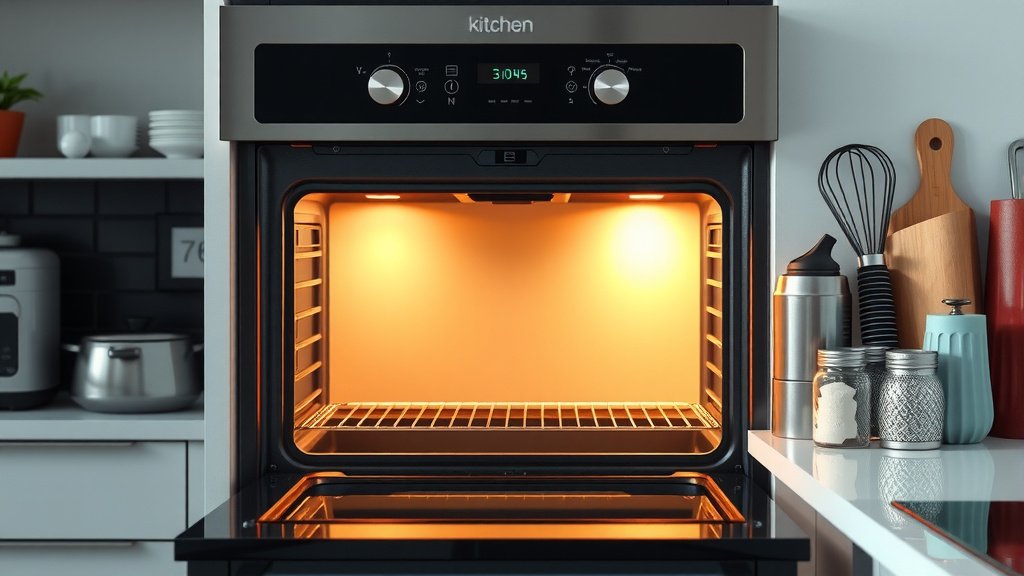
You generally cannot convert a gas oven to electric in a safe, practical, or cost-effective way due to fundamental differences in fuel sources and infrastructure.
This kind of conversion requires extensive modifications to your home’s electrical system, plumbing, and the appliance itself, making it nearly impossible for a DIY project.
- Converting a gas oven to electric is generally not feasible or recommended for your home.
- You would need major electrical upgrades and significant modifications to the oven itself.
- The costs involved often outweigh the expense of buying a brand new electric oven.
- Significant safety concerns are a huge factor when considering any DIY conversion attempts.
- It is strongly advised to consider replacing your existing gas oven with a new electric model instead.
How To Convert Gas Oven To Electric?
Converting a gas oven to electric is rarely a straightforward or recommended process, primarily because it involves fundamental changes to your home’s energy supply and appliance design.
You’ll likely face significant safety hazards and prohibitive costs that make a direct conversion impractical for most homeowners, as many experts agree.
Why Is Converting Gas to Electric So Difficult?
The core issue is that gas and electric ovens operate on entirely different principles. Think of it like trying to teach a fish to fly; their basic design isn’t set up for it.
You are dealing with two distinct energy types, each requiring its own unique setup within your home’s infrastructure.
Understanding the Core Differences
Gas ovens use a flame to generate heat, relying on a constant supply of natural gas or propane. Electric ovens, conversely, heat through resistant coils powered by electricity.
These differences aren’t just about the fuel; they determine how the appliance is built and what your home needs to support it.
Gas Requires Specific Plumbing
If you have a gas oven, your home has a gas line running to the kitchen. This line brings the fuel safely to your appliance, complete with proper ventilation and shut-off valves.
Removing or rerouting this gas line must be done by a licensed professional to prevent leaks or other dangers, as we found through various safety guidelines.
Electric Needs High Power Wiring
An electric oven requires a dedicated 240-volt electrical circuit. Standard kitchen outlets are only 120-volt, so they cannot power an electric oven safely or effectively.
This means you would need a major electrical upgrade, including new wiring from your breaker panel, a dedicated circuit, and a specialized outlet, which is a big job.
What Are the Safety Risks Involved?
Attempting to convert an oven yourself introduces serious safety risks. We found that most appliance manufacturers and safety organizations strongly advise against such modifications.
You are playing with both electricity and gas, both of which can be extremely dangerous if mishandled.
Electrical Hazards Are Real
Improper electrical wiring can lead to short circuits, appliance malfunctions, or even house fires. You risk electrocution if you don’t know exactly what you are doing.
A qualified electrician understands the complex demands of a 240V circuit and can ensure your home remains safe (National Electrical Code).
Gas Line Safety Concerns
Working with gas lines without proper training is incredibly dangerous. A gas leak can cause explosions, carbon monoxide poisoning, or other severe health risks.
Many experts emphasize that gas line work should always be left to certified plumbers or gas technicians.
Costs You Might Not Expect
You might think a conversion saves money, but the truth is usually the opposite. The accumulated costs often quickly surpass buying a new, purpose-built electric oven.
Consider not just the parts, but the labor for multiple tradespeople you would need to hire.
Professional Installation Expenses
You’ll need an electrician for wiring, a plumber for gas line work, and potentially an HVAC technician for ventilation adjustments. Each of these services comes with a significant fee.
These specialized labor costs add up quickly, making the “DIY conversion” a very expensive professional project.
Oven Component Replacement
A gas oven’s internal components are not designed for electric heating elements. You can’t just swap parts; you’d need to replace the burner assembly, controls, and possibly the oven cavity itself.
These custom parts are typically unavailable for purchase, making any true conversion simply not feasible from a design perspective.
Is It Even Possible? (The Short Answer)
In almost all residential scenarios, converting a gas oven to electric is not practically possible or advisable. Manufacturers do not support these conversions for safety and performance reasons.
You would essentially be trying to build a new oven from scratch within the shell of an old one, which is an endeavor few would recommend.
Considering Your Alternatives
Instead of attempting a difficult and risky conversion, you have several safer and more practical options. It’s often best to work with what your home is already set up to handle.
Let’s look at some wise choices you can make for your kitchen appliance needs.
| Feature | Gas Oven | Electric Oven | Conversion Difficulty |
|---|---|---|---|
| Fuel Source | Natural gas or propane | Electricity (240V) | Extremely High |
| Connection | Gas line and outlet | Dedicated 240V circuit and outlet | Requires major re-plumbing and re-wiring |
| Heating Method | Open flame (burner) | Heating elements (coils) | Requires internal structural changes |
| Typical Cost | Moderate to High | Moderate to High | Higher than new oven purchase |
Option 1: Replacing with a New Electric Oven
The most straightforward and safest solution is to simply buy a new electric oven. This ensures you get a functional, warrantied appliance designed to be electric from the start.
You would still need to arrange for the proper electrical hookup, but the oven itself would be ready to go.
Option 2: Sticking with Gas (and Why)
Many people prefer gas ovens for their instant heat and often lower operating costs. If your home has gas infrastructure, perhaps consider upgrading to a newer, more efficient gas model.
You might find that modern gas ovens offer features you like, such as precise temperature control or better convection options (Appliance Manufacturers Association).
Option 3: Using Countertop Electric Appliances
If you only need electric cooking for specific tasks, consider countertop appliances. Items like toaster ovens, induction cooktops, or electric pressure cookers offer electric functionality without changing your main oven.
This can be a cost-effective way to add electric cooking without major home renovations.
What Experts Say About Conversions
We found that appliance service technicians and electricians almost universally advise against converting a gas oven to electric. The risks far outweigh any potential benefits.
Most reputable sources, like the National Fire Protection Association, stress the importance of using appliances as they were designed and certified.
Checklist Before You Decide
Before you make any decisions about your oven, take a moment to consider these important points. You want to ensure your kitchen is both functional and safe.
- Consult a qualified electrician about your home’s electrical capacity for a 240V circuit.
- Talk to a licensed plumber about disconnecting your gas line safely if you proceed with an electric oven.
- Research the cost of a new electric oven, including delivery and professional installation fees.
- Consider the long-term energy costs of electricity versus gas in your local area.
- Think about your cooking style and which oven type truly suits your culinary needs best.
- Always prioritize safety over attempting a risky, unapproved appliance conversion project.
Conclusion
While the idea of converting a gas oven to electric might seem appealing, it’s generally not a practical, safe, or cost-effective solution for homeowners. The fundamental differences in fuel types demand extensive, costly, and potentially dangerous modifications to both your home’s infrastructure and the appliance itself.
Rather than attempting a conversion, your best course of action is almost always to replace your current oven with a new model that aligns with your preferred fuel source. Prioritizing safety and proper installation will ensure your kitchen remains a secure and efficient space for all your cooking adventures.
Can a gas range be converted to electric?
No, a gas range cannot be safely or practically converted to an electric range. They are designed with completely different heating mechanisms and require distinct utility connections (gas lines vs. 240V electrical circuits).
Is it cheaper to convert an oven or buy new?
It is almost always significantly cheaper to buy a new electric oven than to attempt a conversion. The costs for professional electrical work, plumbing, and non-existent oven conversion parts far exceed the price of a brand-new appliance.
What are the main risks of converting an oven yourself?
The main risks include gas leaks, carbon monoxide poisoning, electrical fires, electrocution, and appliance malfunction. These hazards are serious and can lead to severe injury or even death, which is why experts strongly advise against DIY conversions.
Do I need a special electrician for oven wiring?
Yes, you need a licensed and experienced electrician to install a dedicated 240-volt circuit for an electric oven. This is a heavy-duty electrical job that standard household wiring cannot handle safely, requiring specific knowledge of electrical codes.
What are the benefits of choosing an electric oven over gas?
Electric ovens often offer more consistent and even baking temperatures, as well as a wider range of features like convection modes and self-cleaning. Some people also prefer them for ease of cleaning and not having an open flame in the kitchen.
