How to Cook in a Steam Oven
Use the steam setting for moist, gentle cooking, and follow your oven manual for water, temperature, and container guidance. Start with the food maker's timing, then check doneness and adjust in small steps.
On this page (8 sections)
- How do you cook in a steam oven?
- What foods can you cook in a steam oven?
- Which containers work in a steam oven?
- How should you adjust cooking time and temperature?
- Can you reheat food with steam?
- What should you know about microwave alternatives?
- How do you clean and care for a steam oven?
- Which steam oven cooking habits matter most?
Use a steam oven's steam setting for moist, gentle cooking, and follow your oven manual for water, temperature, and container guidance. Start with the recipe's timing, then check the food and adjust in small steps.
Steam oven cooking can help retain moisture in vegetables, fish, eggs, and other foods that might dry out with intense dry heat. Settings vary, so use the controls and care steps for your specific model.
How do you cook in a steam oven?
Add water as the manual directs, select the right steam mode, and arrange food so steam can circulate. Check the food before the recipe's usual finish time, especially when adapting instructions from a conventional oven.
- Fill or connect the water supply as your manual describes.
- Choose full steam or a combination mode that suits the food.
- Place food in an approved dish or tray, leaving space around it.
- Set a conservative time based on the recipe and portion size.
- Check doneness, then continue in short increments if needed.
Steam ovens differ in how they manage water, preheating, and temperature. The guide to how a steam oven works explains why moisture and heat behave differently from a standard oven.
What does a steam oven setting do?
A steam setting cooks with water vapor, which surrounds the food and helps limit moisture loss. A combination setting uses steam with dry heat, if your oven offers one, and can suit foods that need both moisture and surface browning.
Use dry heat for results that depend on a crisp crust, unless your oven's combination mode is designed for that recipe. To compare other countertop methods for crisping, see halogen ovens and air fryers.
Consult the manual before using a new mode with a particular food or dish.
What foods can you cook in a steam oven?
Steam ovens can cook vegetables, fish, eggs, grains, and some meats, with settings and timing adjusted for the food. See what foods you can cook in a steam oven for more ideas by ingredient.
Vegetables usually need less time when cut into smaller, even pieces. Arrange them in a single layer when practical, and check texture before adding more cooking time.
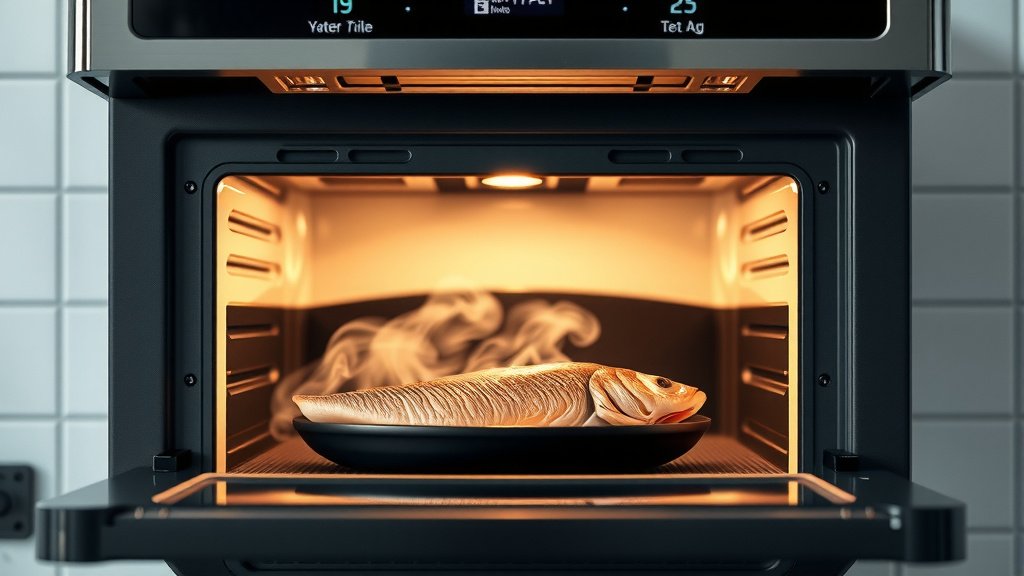
For meat and seafood, use a food thermometer and follow reliable safe-cooking guidance. Our guides cover how to cook chicken in a steam oven and whether you can cook fish in a steam oven.
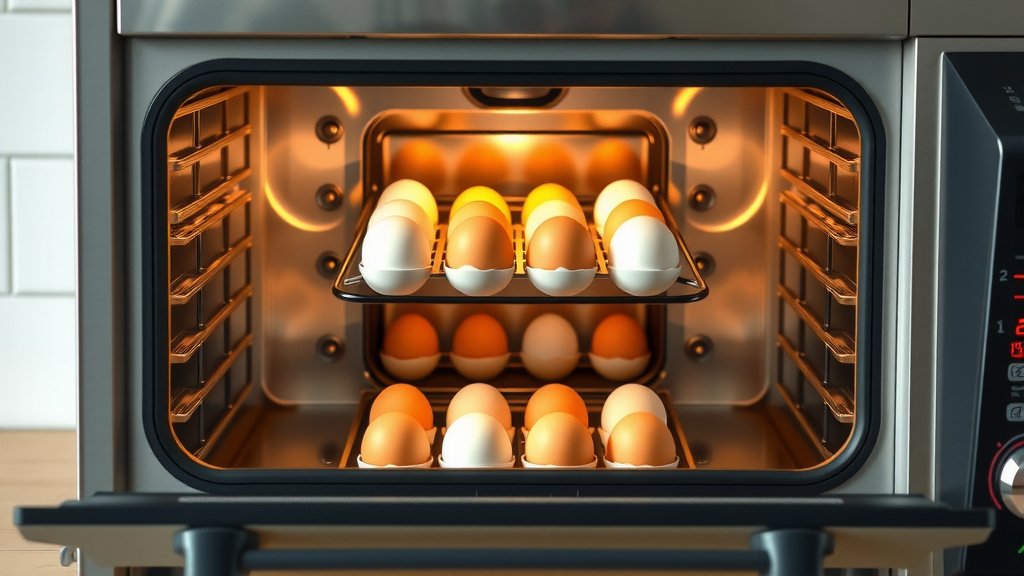
Eggs can be cooked in some steam ovens, but the method depends on the result you want and the model's instructions. See how to cook eggs in a steam oven for a focused guide.
Which containers work in a steam oven?
Choose cookware marked oven-safe and permitted by your manual. A shallow dish or perforated tray can help steam reach the food, while a solid dish catches juices and is useful for foods that release liquid.
Glass, metal, and ceramic dishes may be suitable when their maker allows oven use at the required temperature. Don't assume a container is safe because it works in a microwave or conventional oven; check its heat limits and your steam oven's directions.
Leave room around the food and keep vents, drains, and steam outlets clear. Use oven mitts when handling hot trays, and open the door carefully because escaping steam can burn.
Should you cover food in a steam oven?
Cover food only when the recipe or manual calls for it. A cover can reduce splashing, but it may also affect steam circulation and cooking time.
Use a lid designed for oven heat, and make sure it doesn't seal an area where the appliance needs airflow. If you aren't sure, cook uncovered and check the food sooner.
How should you adjust cooking time and temperature?
Begin with the recipe's timing as a guide, then check early and extend the cook in short steps. Cut size, starting temperature, tray placement, and the oven's steam mode all affect how quickly food cooks.
Recipes written for dry heat may need a different temperature or time in a steam oven. Use your manual's conversion guidance where available, since there is no single adjustment that works for every dish.
Don't crowd the tray. A single layer with space between pieces helps heat reach the food more evenly.
How do you avoid overcooking?
Check delicate foods before the expected finish, then test a thicker piece or the center of the dish. For vegetables, look for the texture you prefer; for meat, check internal temperature using food safety guidance.
If food needs more time, add a few minutes and check again. Keep notes on settings that work with your oven and the portion sizes you cook often.
Can you reheat food with steam?
Steam can reheat foods that benefit from added moisture, such as rice or cooked vegetables, if your oven provides a suitable reheat mode. Spread food in a shallow layer and stir or rotate it when the manual recommends.
For leftovers, heat them thoroughly and follow food safety advice for storage and reheating. A microwave may be more convenient for quick reheating, but it uses a different heating method than a steam oven.
The Breville BOV900BSS Smart Oven Air Fryer Pro offers 13 functions, including reheat, bake, roast, and air fry, for readers comparing countertop cooking options.
This Breville model is a countertop oven with convection, rather than a dedicated steam oven. Choose it if you want several dry-heat cooking functions in one appliance, and compare dedicated steam models in our guide to the best steam oven for healthy cooking.
What should you know about microwave alternatives?
A microwave heats food differently from a steam oven, so use its manual and suitable containers when reheating or cooking. The TOSHIBA Countertop Microwave Oven has a humidity sensor that adjusts cooking time and power based on food humidity.
This 1.2 cu ft countertop microwave has 10 power levels and a 12.4 in glass turntable. It can suit readers who need a separate appliance for fast reheating and microwave tasks.
For another countertop option, compare Panasonic microwave ovens.
A second TOSHIBA Countertop Microwave Oven is available in stainless steel, with the same stated capacity, turntable size, and 10 power levels.
Both Toshiba models are microwaves, not steam ovens. Use them as alternatives for microwave tasks, not as replacements for a steam setting.
How do you clean and care for a steam oven?
Follow the manufacturer's steps for draining, wiping, and descaling the oven. Let it cool as instructed, and use only cleaning products and methods approved for its interior.
Empty standing water or a collection tray when the manual says to do so. Wipe moisture from the cavity after use if your model's care instructions recommend it.
Descale only at the interval and with the method specified for your appliance. Hard water and frequent steam use can make maintenance more important, but the right schedule depends on the model and water supply.
Which steam oven cooking habits matter most?
For reliable results, use the manual's settings, approved cookware, and early doneness checks. Keep food in a loose single layer, leave steam paths clear, and add time gradually.
Choose full steam for foods suited to moist heat, and use combination or dry heat when the recipe calls for browning and your oven supports that mode. For more cooking ideas, start with what foods you can cook in a steam oven.
If you want an appliance for dry baking, roasting, or microwave reheating, compare those functions separately from steam cooking. For countertop steam models, see the best countertop steam ovens.
Pick a dedicated steam oven for steam-based recipes, and use the product guides above to compare other countertop options.
Frequently asked questions
What setting should I use on a steam oven?
Use the full steam setting for foods that benefit from moist heat, if your oven offers it. For browning or crisping, use a combination or dry-heat setting only when your manual recommends it for that food; names and controls vary by oven.
Do you need special pans for a steam oven?
Not always. Use oven-safe cookware that your oven manual permits, and choose shallow, perforated trays when the recipe calls for steam to circulate around food.
Avoid containers with unknown heat limits, and don't block vents or the steam outlet.
Can you cook frozen food in a steam oven?
Some steam ovens can cook food from frozen, but time and settings depend on the food and model. Follow the manufacturer's guidance, separate pieces where possible, and check the thickest portion for safe doneness before serving.
Can you use foil in a steam oven?
Only use foil if your oven manual allows it for the selected mode. Foil can block airflow or cover openings needed for steam circulation, so keep vents clear and use an approved tray or dish when unsure.