
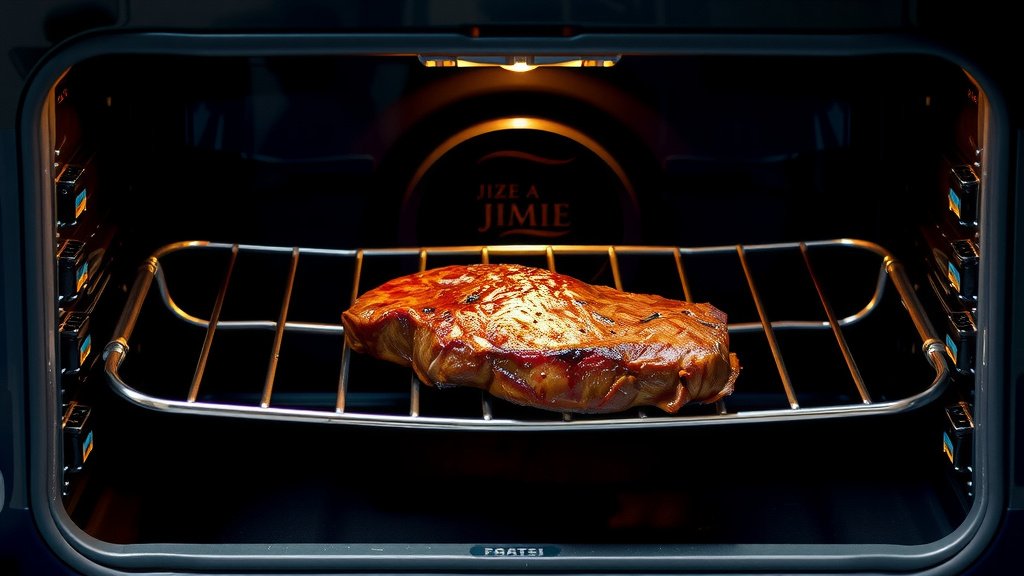
To cook steak in an electric oven, first achieve a rich, flavorful crust by searing it quickly on a hot stovetop. Then, transfer the pan directly to a preheated oven, typically around 400°F (200°C), to gently finish cooking the interior to your preferred doneness.
Always use a meat thermometer to ensure your steak reaches a safe and delicious internal temperature, allowing it to rest afterwards for juicier results.
- Sear your steak on the stovetop first for a great crust.
- Finish cooking in an electric oven preheated to about 400°F (200°C).
- Use a meat thermometer to check for perfect doneness.
- Always let your steak rest for 5-10 minutes before slicing.
- Simple seasoning is often all you need for fantastic flavor.
How To Cook Steak In An Electric Oven?
Cooking steak in an electric oven involves a two-stage approach: searing on the stovetop and finishing in the oven. This method helps you get a beautiful brown crust and an evenly cooked, tender inside.
Why Use Your Electric Oven for Steak?
Many home cooks might just sear steak on the stove, but an oven offers a big advantage. It provides consistent, indirect heat, which helps cook the steak through without burning the outside (USDA).
This method is fantastic for thicker cuts, which can be tricky to cook perfectly on the stovetop alone. You get a controlled environment for even cooking.
Choosing the Right Steak Cut
The best steaks for oven finishing are thicker cuts, at least 1 to 1.5 inches thick. Think about a good ribeye, New York strip, or even a tenderloin.
Thicker steaks handle the two-stage cooking process wonderfully. They have enough mass to develop a great crust without overcooking too quickly inside.
Thick vs. Thin Cuts
Thin steaks, like skirt or flank steak, cook very fast on the stovetop and rarely need oven time. Thicker cuts, by contrast, really benefit from the oven’s gentle heat after searing.
We found that thinner cuts often dry out in the oven. Stick to thicker cuts for the best electric oven steak experience.
Prepping Your Steak for Perfection
Preparation is key to a delicious steak. It’s not just about cooking; it’s about setting the stage for flavor and texture.
Room Temperature is Key
Before you cook, let your steak sit out at room temperature for 30 minutes to an hour. Many experts say this step helps the steak cook more evenly (America’s Test Kitchen).
A cold steak hits a hot pan and the temperature drops too fast. A room temperature steak means a better sear and a more predictable cooking time.
Seasoning Your Steak
Keep it simple for the best flavor. A generous amount of coarse salt and fresh black pepper is often all you need.
Press the seasoning into the meat on all sides. Some people like to add garlic powder or a touch of onion powder for extra depth, but salt and pepper are the main stars.
The Searing Magic: Stovetop First
Searing creates that incredible crust, full of flavor and texture. This initial step is non-negotiable for a truly great steak.
Choosing Your Pan
A heavy-bottomed, oven-safe pan is essential. Cast iron or stainless steel are excellent choices that hold heat well and transition smoothly from stovetop to oven.
Do not use non-stick pans unless they are explicitly labeled as oven-safe to high temperatures. They might not be able to withstand the heat.
Getting the Pan Hot
Heat your chosen pan over high heat until it’s smoking lightly. Add a high-smoke-point oil like canola, grapeseed, or avocado oil.
The oil should shimmer and almost smoke right away. This super hot surface ensures an instant, beautiful crust on your steak, known as the Maillard reaction.
Oven Roasting for Ideal Doneness
After searing, the oven takes over to gently bring your steak to its final doneness. This prevents the outside from burning while the inside catches up.
Setting the Right Temperature
Preheat your electric oven to 400°F (200°C). This temperature allows for efficient cooking without drying out the steak too fast.
Some chefs prefer 375°F (190°C) for a slightly slower cook, but 400°F generally works well for most home ovens and thicker steaks.
Monitoring Internal Temperature
This is where a good meat thermometer becomes your best friend. Insert it into the thickest part of the steak, away from any bone.
Remove the steak from the oven when it’s about 5-10 degrees below your target temperature. The steak will continue to cook as it rests (carryover cooking).
Resting Your Steak: Don’t Skip This!
Once your steak is out of the oven, transfer it to a cutting board and cover it loosely with foil. Let it rest for 5-10 minutes.
This resting period allows the juices to redistribute throughout the meat, resulting in a much juicier and more tender steak (Cook’s Illustrated). Cutting it too soon lets all the juices run out.
Steak Doneness Temperature Guide
Knowing your desired internal temperature is key to cooking a perfect steak. Remember to remove the steak from the oven a few degrees early.
| Doneness Level | Target Temperature (before resting) | Description |
|---|---|---|
| Rare | 120-125°F (49-52°C) | Cool red center |
| Medium-Rare | 125-130°F (52-54°C) | Warm red center |
| Medium | 130-135°F (54-57°C) | Warm pink center |
| Medium-Well | 135-140°F (57-60°C) | Slightly pink center |
| Well-Done | 140-145°F (60-63°C) | Little to no pink |
Essential Tools for Oven Steak
Having the right gear makes a difference. You don’t need much, but these items are quite helpful.
- A heavy-bottomed, oven-safe skillet (cast iron is perfect).
- An instant-read meat thermometer for accuracy.
- Tongs for flipping the steak without piercing it.
- A cutting board with a juice groove.
A Quick Checklist for Perfect Oven Steak
Follow these steps for a delicious steak every time. It helps keep your cooking process organized.
- Take steak out of the fridge to reach room temperature.
- Pat it dry thoroughly, then season generously.
- Preheat oven to 400°F (200°C).
- Heat oven-safe pan on high heat with oil.
- Sear steak for 2-3 minutes per side.
- Transfer pan to preheated oven.
- Cook until internal temperature is 5-10°F below target.
- Rest steak for 5-10 minutes before slicing.
Troubleshooting Common Steak Issues
Even experts have off days. What if your steak isn’t quite right? Don’t worry, we found some common solutions.
Steak is Gray and Dry
This usually means your pan wasn’t hot enough when searing, or you cooked it for too long. Ensure a smoking hot pan and use a thermometer to avoid overcooking.
Steak is Unevenly Cooked
If one side is more done than the other, your steak might not have been at room temperature. Also, make sure your oven rack is in the middle for even heat distribution.
No Crust Developed
A common culprit here is a wet steak or a pan that isn’t hot enough. Always pat your steak dry with paper towels before seasoning and searing. Moisture is the enemy of crust.
Conclusion
Cooking a mouth-watering steak in your electric oven is truly within your reach. By combining a powerful stovetop sear with the gentle, even heat of the oven, you can create a perfectly cooked steak with a beautiful crust and a tender, juicy interior.
Remember to choose a thick cut, prep it well, sear it hot, and most importantly, use a meat thermometer. Don’t forget that crucial resting step for the best results. You’ll be enjoying restaurant-quality steak right from your own kitchen in no time.
Can I cook a frozen steak in an electric oven?
Yes, you can cook a frozen steak directly from the freezer in an electric oven, but the method changes slightly. Many experts recommend searing the frozen steak on the stovetop first for a longer period (about 90 seconds per side) to develop a crust, then transferring it to a lower temperature oven (around 275°F or 135°C) to cook more slowly until it reaches the desired internal temperature (ATK). It will take longer than cooking a thawed steak.
What is the best type of pan for oven-finished steak?
The best type of pan for oven-finished steak is a heavy-bottomed, oven-safe skillet that holds heat very well. Cast iron pans are the gold standard because they retain heat exceptionally well and create an amazing sear. Stainless steel skillets are another excellent choice, as long as they are rated for high oven temperatures.
How do I prevent my steak from drying out in the oven?
To prevent your steak from drying out in the oven, focus on two main things: accurate temperature monitoring and proper resting. Always use an instant-read meat thermometer to pull the steak from the oven when it’s 5-10°F below your target doneness, accounting for carryover cooking. After cooking, cover it loosely with foil and let it rest for 5-10 minutes; this allows juices to redistribute, keeping the steak moist.
Should I flip my steak in the oven?
Generally, you do not need to flip your steak in the oven if it’s already been seared on both sides on the stovetop. The oven provides even, ambient heat that cooks the steak from all directions without the need for additional flipping. Once it’s in the oven, let it cook undisturbed until it reaches your desired internal temperature.
What can I do with leftover steak?
Leftover steak is incredibly versatile! You can slice it thin and use it in sandwiches, wraps, or salads. It’s also delicious in stir-fries, tacos, quesadillas, or even as a topping for nachos. For best results, slice it just before reheating or serving to maintain its texture and moisture.
