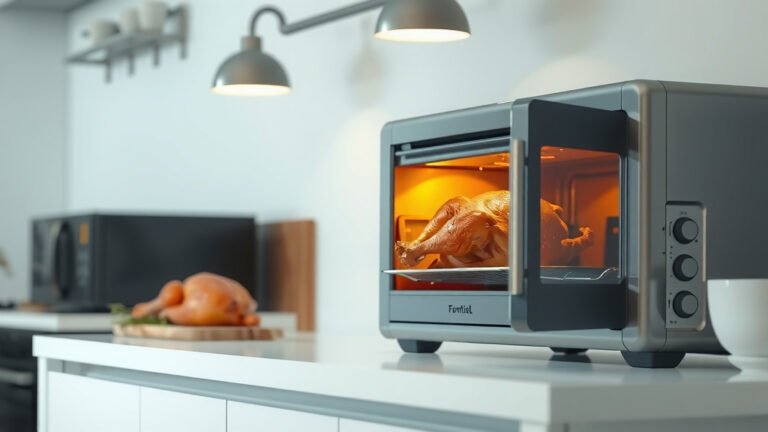
Cooking a turkey in a single wall oven is absolutely achievable by selecting a bird that fits comfortably, typically under 18 pounds, and managing your oven space wisely.
To successfully cook turkey in a single wall oven, you will need to pre-plan your turkey size, ensure proper thawing, and consistently monitor internal temperature for a perfectly roasted result.
TL;DR: Here’s a quick overview of how to roast your turkey in a single wall oven:
- Pick a turkey under 18 pounds for best results in a standard wall oven.
- Always thaw your turkey completely in the refrigerator.
- Season well, then roast at an initial higher temperature, lowering it later.
- Use a meat thermometer to ensure the turkey reaches 165°F (74°C) in the deepest part.
- Let your turkey rest for at least 20-30 minutes before carving to keep it juicy.
How To Cook Turkey In A Single Wall Oven?
Cooking a turkey in a single wall oven means careful planning and smart use of space, but it’s entirely possible to get a beautifully cooked bird.
You can achieve a delicious meal even with a smaller oven by focusing on the right turkey size and efficient techniques.
Is Your Oven Up to the Task? Size Matters!
Before you even think about buying a turkey, pause for a moment. Have you measured your oven interior? This is a crucial first step.
A standard single wall oven usually handles a turkey up to 18 pounds, but sometimes smaller. You need to account for your roasting pan too.
We found that many home cooks underestimate the space a roasting pan with a turkey takes up, leaving little room for air circulation.
Choosing the Right Turkey Size
Don’t try to cram a 25-pound monster into a cozy single wall oven. It simply won’t cook evenly, and you risk a dry bird or even a fire hazard.
A smaller turkey, perhaps 12-16 pounds, or even a turkey breast, is your best friend here. Consider these options for a stress-free cooking experience.
Prepping Your Turkey Like a Pro
Preparation is key to a flavorful and moist turkey. This stage sets the foundation for your cooking success.
You want to give your turkey the best start possible, ensuring it’s ready for its oven adventure.
Thawing Your Turkey Safely
If you’re using a frozen turkey, safe thawing is non-negotiable. The refrigerator method is always recommended (USDA).
Allow at least 24 hours of thawing time for every 4-5 pounds of turkey. This slow process keeps bacteria at bay.
A partially frozen turkey cooks unevenly, leaving some parts raw while others dry out. Nobody wants that!
To Brine or Not to Brine?
Many experts say brining can add incredible moisture and flavor to your turkey. It involves soaking the bird in a salty liquid for hours.
If you’re short on fridge space, a dry brine (rubbing salt and seasonings directly on the skin) is a great alternative. It takes up less room and still delivers fantastic results.
For a single wall oven, space is a premium. A dry brine might be your most practical choice, we found.
Mastering the Roasting Process
Now, for the main event! Roasting your turkey effectively means understanding oven temperatures and how your specific appliance behaves.
Every oven has its quirks, so paying attention to your turkey and its environment is important.
| Turkey Weight | Approx. Roasting Time (Unstuffed) | Notes for Single Wall Oven |
|---|---|---|
| 8-12 lbs | 2¾ – 3 hours | Ideal for smaller ovens. |
| 12-14 lbs | 3 – 3¾ hours | Still manageable, but watch space. |
| 14-18 lbs | 3¾ – 4¼ hours | Maximum recommended for most single wall ovens. |
Setting the Right Temperature and Time
Many recipes suggest starting at a higher temperature, like 400°F (200°C), for 30 minutes. This helps crisp the skin.
Then, lower the heat to 325°F (160°C) for the remainder of the cooking time. This ensures the turkey cooks through without drying out too quickly.
Remember that oven thermometers can sometimes be inaccurate, so trust your meat thermometer more than your oven dial (Mayo Clinic).
The All-Important Meat Thermometer
This is your best friend for food safety and a perfectly cooked turkey. Insert it into the thickest part of the thigh, avoiding the bone.
The turkey is done when the internal temperature reaches 165°F (74°C) (USDA). Check in several places to be sure.
Don’t rely on pop-up timers; they can be unreliable. A digital instant-read thermometer gives you accurate results every time.
Basting and Resting: Don’t Skip These Steps!
These two steps might seem minor, but they significantly impact the final taste and texture of your turkey.
Skipping them could mean the difference between a good turkey and a truly memorable one.
Why Resting Matters So Much
Once your turkey reaches 165°F, take it out of the oven. Don’t carve it right away! Resting is absolutely vital.
Cover it loosely with foil and let it rest for at least 20-30 minutes. This allows the juices to redistribute throughout the meat.
If you cut into it too soon, all those delicious juices will run out, leaving you with a dry turkey. You’ve worked too hard for that!
Overcoming Common Single Wall Oven Challenges
Working with a smaller oven means you might face a few hurdles, but with a bit of planning, you can easily overcome them.
Thinking ahead can save you stress on the big day. What if your side dishes also need oven time?
My Oven Is Small, What About Side Dishes?
This is a classic dilemma. When your main oven is occupied by a turkey, you need a strategy for your sides.
We found that many cooks prepare side dishes that can be cooked ahead of time and reheated or that don’t require oven space.
- Plan oven-free sides: Mashed potatoes, gravy, green beans on the stovetop.
- Use slow cookers: Perfect for warm casseroles or stuffing.
- Cook sides in advance: Many vegetable dishes can be prepped and reheated gently.
- Consider air fryers or toaster ovens: For smaller, crispy items like roasted vegetables.
- Stagger cooking times: If a side needs oven time, bake it before or after the turkey, then keep warm.
Troubleshooting Turkey Troubles
Even the most experienced cooks encounter issues. Don’t panic if something doesn’t go exactly to plan.
You can usually fix minor problems with a few simple tricks.
Dealing with Uneven Browning or Dryness
If your turkey is browning too quickly on top, simply tent it loosely with aluminum foil. This protects the skin from overcooking.
For a turkey that feels dry, basting it periodically with pan juices or broth can help. However, opening the oven too often extends cooking time.
Focus on internal temperature first, and the skin can be crisped up at the end if needed by briefly raising the heat (Cleveland Clinic).
A Quick Turkey Roasting Checklist
To make sure you’ve got all your bases covered, here’s a simple checklist to guide you through the process:
- ✅ Turkey size fits your oven and roasting pan.
- ✅ Turkey is fully thawed.
- ✅ You have a reliable meat thermometer.
- ✅ Your chosen brine or seasoning is ready.
- ✅ Oven is preheated to the correct temperature.
- ✅ You’ve planned for turkey resting time.
Conclusion
Cooking a magnificent turkey in a single wall oven is not just a dream; it’s a reality with thoughtful planning and execution. You can absolutely achieve that golden-brown, juicy, and flavorful centerpiece.
By focusing on turkey size, proper preparation, and diligent temperature monitoring, your single wall oven will deliver a holiday meal to remember. Don’t let a smaller appliance hold you back from creating something truly special for your family and friends!
What is the best turkey size for a small oven?
For most single wall ovens, a turkey between 12 and 16 pounds is ideal. This size allows for proper air circulation around the bird, promoting even cooking and browning.
Should I roast my turkey covered or uncovered?
You should generally start your turkey uncovered to allow the skin to crisp and brown. If it starts to brown too much before the internal temperature is reached, you can loosely tent it with aluminum foil to prevent overcooking the skin.
How do I keep my turkey from drying out in a small oven?
To keep your turkey moist, consider brining it beforehand. Using a roasting pan with a rack elevates the turkey, allowing juices to collect below for basting. Most importantly, avoid overcooking by using a meat thermometer and removing the turkey promptly at 165°F (74°C).
Can I cook stuffing inside the turkey in a single wall oven?
While possible, many food safety experts recommend cooking stuffing separately in a casserole dish (NIH). This ensures the stuffing reaches a safe internal temperature of 165°F (74°C) without overcooking the turkey, which can be challenging in a smaller oven.
How long should a turkey rest after cooking?
A turkey should rest for at least 20 to 30 minutes after being removed from the oven. For larger birds, up to 45 minutes is beneficial. This crucial resting period allows the muscle fibers to relax and reabsorb juices, resulting in a more tender and flavorful bird.