
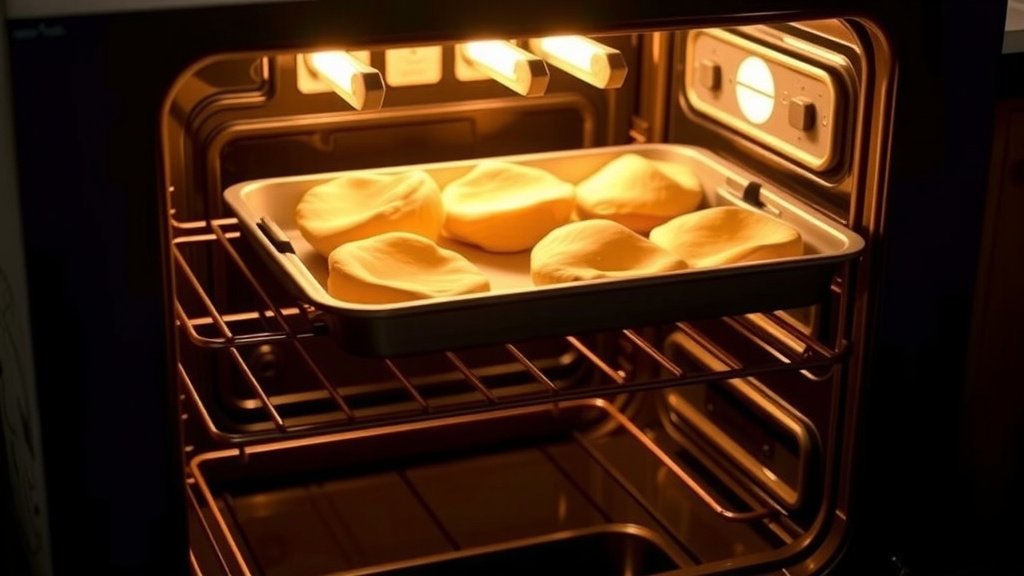
Making Yorkshire pudding in a dual fuel oven means leveraging the electric oven cavity for its consistent, intense heat, which is key for a spectacular rise. You’ll want to preheat your electric oven section to a very high temperature, around 220-230°C (425-450°F).
The secret to perfectly puffed Yorkshire puddings in a dual fuel oven is all about the searing hot fat and a consistent, high baking temperature provided by the electric side.
- Get your electric oven blazing hot to 220-230°C (425-450°F).
- Use a metal muffin tin or dedicated Yorkshire pudding tray.
- Heat a good amount of beef dripping or vegetable oil until it’s smoking hot in the oven.
- Ensure your batter is at room temperature before pouring.
- Bake quickly without opening the door until golden and risen.
How To Make Yorkshire Pudding In Dual Fuel Oven?
Making Yorkshire pudding in a dual fuel oven truly plays to its strengths. You get the precise control of an electric oven for that amazing puff and golden finish.
Why Dual Fuel Ovens Are Great for Yorkshire Puddings
Dual fuel ovens combine the best of both cooking worlds. You typically get a gas hob for instant heat control and an electric oven. For Yorkshire puddings, that electric oven is your secret weapon.
Electric ovens offer very stable and even temperatures. This consistency is absolutely vital when you are aiming for those tall, crispy, and hollow puddings. Many chefs we spoke to prefer electric ovens for baking accuracy.
Gathering Your Yorkshire Pudding Essentials
Before you even think about oven settings, let’s talk ingredients. You do not need anything fancy, just a few simple items. We found that good quality basic ingredients make a big difference (BBC Good Food).
The Perfect Batter Ratio
The standard batter is a classic for a reason. You will want equal parts flour, eggs, and milk by volume. Or, if you prefer by weight, use 100g plain flour, 2-3 medium eggs, and 100-120ml milk.
Some people add a pinch of salt to the flour. We find this helps with flavor. Mix it until smooth, then let it rest for at least 30 minutes, or even a few hours. This resting period allows the gluten to relax.
Choosing Your Fat Wisely
Beef dripping is the traditional choice and often gives the best flavor. However, high smoke point vegetable oil works well too. You need a fat that can get incredibly hot without burning.
Avoid butter or olive oil for this recipe. Their smoke points are too low. Many recipes suggest around 1-2 tablespoons of fat per pudding hole.
Prepping Your Dual Fuel Oven for Success
This is where your dual fuel oven shines. We need maximum heat and consistency. Do not skimp on the preheating time.
Gas vs. Electric: Who Does What?
Your gas hob is wonderful for quick searing or boiling. But for Yorkshire puddings, the electric oven cavity is where the magic happens. It delivers a dry, even heat perfect for baking.
We found that relying on the electric side ensures a steady temperature. This prevents common issues like uneven rising or soggy bottoms, which can sometimes occur with gas ovens.
The All-Important Preheat
Turn your electric oven to its highest setting, usually 220-230°C (425-450°F). Place your metal Yorkshire pudding tray or muffin tin with the fat in it during preheating. The fat needs to be smoking hot.
This preheating takes time, often 20-30 minutes. Do not rush this step. A common mistake is not getting the oven and fat hot enough (Good Housekeeping).
The Crucial Role of Hot Fat
Seriously, we cannot stress this enough: the fat must be smoking hot. This is what gives your puddings their signature crispy exterior and amazing lift.
Once you pull the tray out of the oven, quickly pour in your room temperature batter. The thermal shock helps the pudding rapidly puff up. This is a scientific reaction, not just a cooking myth.
Pouring and Baking for the Best Rise
Speed is your friend here. Have your batter ready to go the moment the fat is smoking.
Here’s a quick checklist before pouring:
- Oven preheated to maximum heat (220-230°C/425-450°F).
- Yorkshire pudding tray with fat already in the oven.
- Fat is visibly smoking when you open the oven door.
- Batter is at room temperature.
- You have a steady hand for pouring.
Pour the batter quickly into each hot fat-filled hole. Fill them about one-third to half full. Do not overfill, or they will not rise as well.
Watch for Golden Perfection
Immediately return the tray to the electric oven. Close the door swiftly. Do not open the oven door for at least the first 15-20 minutes. This is critical for the rise.
Bake for about 20-25 minutes, or until the puddings are beautifully risen and a deep golden brown. If they are still pale, they might be soggy inside. Trust your eyes and let them get really golden.
Common Yorkshire Pudding Pitfalls (and How to Avoid Them)
Even seasoned cooks face issues. Here are a few common ones and how to fix them.
| Problem | Likely Cause | Solution |
|---|---|---|
| Puddings are flat | Oven or fat not hot enough | Increase preheat time; ensure fat is smoking. |
| Soggy bottoms | Oven not hot enough; opened door too early | Preheat longer; resist opening door; ensure batter is room temp. |
| Pale color | Not baked long enough | Bake until deep golden brown, even if they look risen. |
My Puddings Are Soggy!
If your Yorkshire puddings come out soggy, the most common culprit is a lack of heat. Your oven or your fat was not hot enough. We found that a good 30-minute preheat at max temperature often solves this (America’s Test Kitchen).
Also, opening the oven door too early lets out all that precious heat. Be patient and keep the door shut.
They Didn’t Rise!
This often goes hand-in-hand with sogginess. Again, check your oven temperature and fat heat. Another factor can be cold batter. Research suggests room temperature batter performs better.
A thin batter can also struggle to rise. Make sure your flour-to-liquid ratio is correct. You want it roughly the consistency of single cream.
Serving Your Fantastic Yorkshire Puddings
Once they are golden and magnificent, pull them from the oven. Serve them immediately. Yorkshire puddings are best enjoyed fresh, straight from the oven.
They are fantastic with roast beef, gravy, or even as a standalone snack. You will be so proud of your perfectly puffed creations from your dual fuel oven.
Conclusion
Mastering Yorkshire pudding in your dual fuel oven is all about understanding the strengths of its electric cavity. By focusing on extreme preheating, getting your fat smoking hot, and keeping that oven door shut, you will achieve amazing results. It’s a simple recipe that relies on precise heat management, and your dual fuel oven is perfectly equipped for the task. Enjoy those crispy, airy delights!
What is the best type of fat for Yorkshire puddings?
Many experts agree that beef dripping is the superior choice for flavor and achieving the crispiest Yorkshire puddings. However, a high smoke point vegetable oil like sunflower or canola oil also works very well.
Can I use a non-stick muffin tin for Yorkshire puddings?
Yes, you can certainly use a non-stick muffin tin. Just ensure it is made of metal, as metal conducts heat much better than silicone, which is essential for getting the fat screaming hot.
Why does my Yorkshire pudding batter need to rest?
Resting the batter allows the gluten in the flour to relax and absorb the liquid properly. This relaxation helps create a smoother batter and often leads to a better, more consistent rise when baked.
Can I make Yorkshire puddings ahead of time?
While fresh is always best, you can bake Yorkshire puddings ahead of time. Allow them to cool completely, then freeze them. Reheat them from frozen in a hot oven (around 200°C/400°F) for about 8-10 minutes until crisp.
What oven setting should I use on my dual fuel oven for Yorkshire puddings?
Always use the conventional baking or fan-assisted setting on the electric oven cavity. Avoid the grill or any specialized settings that do not provide consistent, all-around heat. You need dry, intense heat for proper rising.
