
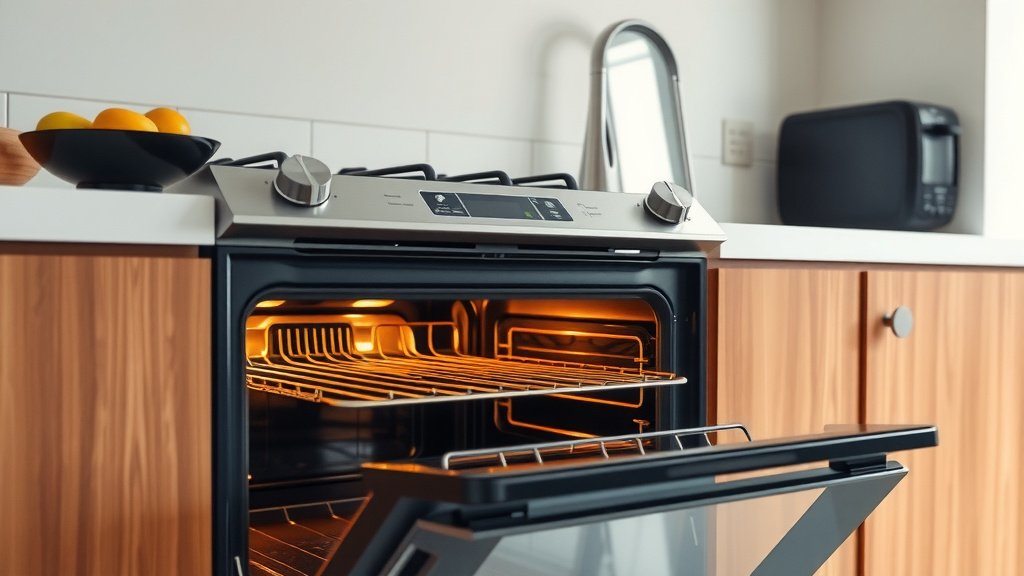
To use the broiler in a gas oven, you typically open the broiler drawer at the bottom of the oven or use the top rack with the oven door slightly ajar for some models, then preheat the broiler element for about 5-10 minutes.
You’ll place your food on a broiler pan directly under the intense heat source, keeping a close watch to prevent burning, often flipping items for even cooking.
- The broiler delivers intense, direct heat, perfect for quick browning or searing.
- Always preheat your broiler for 5-10 minutes to get it nice and hot.
- Position food on a broiler pan, typically on the top rack or in the lower broiler drawer.
- Stay nearby and watch your food constantly; broiling is a fast cooking method.
- Clean your broiler pan after each use to keep it ready for your next culinary adventure.
How To Use Broiler In A Gas Oven?
Using the broiler in your gas oven can feel like gaining a new superpower in the kitchen. It’s perfect for getting that beautiful golden-brown crust or quickly cooking thinner foods. But how do you master it?
What is Broiling?
Imagine your oven as a cozy campfire. Baking and roasting are like cooking slowly over the embers. Broiling, however, is like holding your food directly into the flame. It’s a method that uses very high, direct heat from the top of the oven or from a dedicated drawer below, cooking foods quickly and creating a lovely browned surface. We found that this method is especially good for caramelization (NIH).
Why Use a Broiler?
You might wonder why you’d choose broiling over baking. Broiling is fantastic for achieving a crispy skin on chicken, melting cheese bubbles on casseroles, or searing steaks in minutes. It adds a delicious charred flavor and a lovely texture that baking just can’t quite match. Many home cooks discover it’s a game-changer for finishing dishes.
Getting Ready: Your Broiler Checklist
Before you dive in, let’s make sure you have everything ready. Think of this as your personal chef prep. Having these items on hand makes the whole process smoother and safer.
- Broiler Pan: This is key! It has a slotted top to drain fat and a lower pan to catch it.
- Heat-Resistant Mitts: The broiler gets extremely hot. Protect your hands!
- Tongs or Spatula: For easy turning of your food without burning yourself.
- Timer: Broiling happens fast, so a timer is your best friend.
- Watchful Eye: This isn’t a “set it and forget it” cooking method.
Understanding Your Gas Oven Broiler
Gas ovens can be a little different from electric ones when it comes to broiling. Typically, gas ovens have a dedicated broiler compartment. Knowing where yours is will save you some head-scratching.
Where is the Broiler?
Most gas ovens have their broiler in a separate drawer located at the very bottom. You pull it out, much like a storage drawer. Some newer models might have the broiler element located inside the main oven cavity, usually at the top. We often find that checking your oven’s manual is the best first step to be sure.
Broiler Pan Magic
A broiler pan isn’t just any old baking sheet. It’s designed with two parts: a top rack with slots and a bottom pan to catch drippings. This design helps keep your food from sitting in fat, giving you a nicer crisp and reducing smoke. Using aluminum foil on the bottom pan can also make cleanup much easier.
Safety First: Essential Broiling Tips
Broiling uses intense heat, so safety is super important. A little caution goes a long way. Always think about protecting yourself and your kitchen.
- Never line the broiler pan’s slotted top with foil, as it can trap fat and cause flare-ups.
- Keep your oven and broiler pan clean. Grease buildup can be a fire hazard (Consumer Reports).
- Don’t walk away from the oven. Broiling is not the time to start a long phone call!
- Use proper oven mitts. The heat radiating from the broiler can be surprising.
- Ensure proper ventilation. Open a window or turn on your kitchen exhaust fan.
Step-by-Step Guide to Broiling
Ready to get cooking? Follow these steps for a successful broiling experience. You’ll be surprised how easy it is once you know the routine.
Step 1: Preheat is Key
Just like baking, preheating is vital for broiling. Turn your oven to “Broil” (often “Hi” or “Low” if you have options). Let it preheat for at least 5-10 minutes. This ensures the element is glowing red-hot and ready to deliver consistent heat. You want that immediate searing action.
Step 2: Position Your Food
This is where the art of broiling comes in. The distance from the heating element matters. For thinner items like fish fillets, aim for 4-6 inches away. For thicker cuts like steak, go a bit further, perhaps 6-8 inches, to allow for more even cooking without burning the surface. Place your food on the broiler pan.
Step 3: Keep a Watchful Eye
Once your food is under the broiler, do not leave it. Seriously, stand by the oven. Foods can go from perfectly golden to burnt in a matter of seconds. Many chefs say this constant supervision is the most important part of broiling.
Step 4: Flipping and Finishing
For most foods, you’ll want to flip them halfway through cooking to ensure both sides brown evenly. Use tongs or a spatula. Once your food reaches the desired doneness and golden-brown color, carefully remove it from the broiler. Remember to turn off the broiler setting.
Common Broiling Mistakes to Avoid
It’s easy to make a few slip-ups when you’re new to broiling. But recognizing these common errors can save you from disappointing results and potential hazards.
- Not Preheating Enough: Cold broiler means slow browning, not searing.
- Leaving Food Unattended: Burnt food is a common outcome when you step away.
- Wrong Rack Position: Too close, and it burns; too far, and it just bakes.
- Not Using a Broiler Pan: Other pans can warp or not drain fat properly.
- Ignoring Oven Manual: Each oven can be a little different.
Broiler vs. Bake: What’s the Difference?
You might use both settings, but they serve very different purposes. Knowing when to use which can make a big difference in your cooking outcomes. It’s like choosing between a gentle shower and a powerful jet spray.
| Feature | Broiling | Baking/Roasting |
|---|---|---|
| Heat Source | Top element (direct) | Bottom element (indirect) |
| Temperature | Extremely high | Moderate (300-450°F) |
| Cooking Time | Very fast (minutes) | Longer (30+ minutes) |
| Best For | Browning, searing, melting | Even cooking, rising, drying |
Foods That Love the Broiler
So, what should you try first? The broiler is fantastic for many quick-cooking items. Think about foods that benefit from a nice, crispy exterior or a quick melt. We found that thinner cuts of meat and vegetables work best.
- Thin steaks, chicken breasts, or fish fillets
- Hamburger patties or sausages
- Toast or garlic bread
- Melting cheese on nachos, casseroles, or open-faced sandwiches
- Broccoli, asparagus, or bell peppers for quick charring
- Fruit (like pineapple or grapefruit) for caramelization
Cleaning Up After Broiling
After all that delicious cooking, cleaning is the final step. A dirty broiler pan can smoke next time or harbor old food smells. Let the pan cool completely, then use warm, soapy water and a scrub brush. For stubborn bits, a little soaking can work wonders. Many find that a clean pan makes the next broiling experience more pleasant (Food Safety News).
Conclusion
Using the broiler in your gas oven truly opens up a world of quick and delicious cooking possibilities. It’s a powerful tool for adding texture, flavor, and speed to your meals. By understanding how your broiler works, following safety guidelines, and keeping a close eye on your food, you’ll be whipping up perfectly browned and seared dishes in no time. So go ahead, give it a try – your taste buds will thank you!
How do I know if my gas oven has a broiler?
Most gas ovens have a broiler, often in a pull-out drawer at the very bottom, beneath the main oven cavity. Some newer models might have the broiler element located at the top inside the main oven. Check your oven’s user manual or look for a dedicated “Broil” setting on your oven dial or display.
Should I leave the gas oven door open when broiling?
For gas ovens with a dedicated broiler drawer at the bottom, you generally keep that drawer slightly ajar to allow proper ventilation and airflow. If your gas oven broils from the top inside the main cavity, you might keep the oven door slightly ajar as well, as advised by your oven’s manufacturer, to prevent excessive heat buildup and ensure the broiler element stays on.
What is the difference between “Hi” and “Lo” broiler settings?
If your oven has “Hi” and “Lo” broiler settings, “Hi” means the heating element operates at full power for maximum intensity, ideal for thin items or quick searing. “Lo” means the element cycles on and off more frequently, providing a slightly less intense and more diffused heat, suitable for thicker foods that need more time to cook through without burning the surface.
Can I use any metal pan under the broiler?
It’s best to use a specialized broiler pan or another oven-safe metal pan designed to withstand high heat. Avoid glass or ceramic dishes, as they can shatter under the intense, direct heat of a broiler. A broiler pan with its slotted top and drip pan is recommended for optimal results and safety.
How do I clean a gas oven broiler drawer?
First, ensure the broiler drawer and pan are completely cool. Remove the broiler pan and wash it with hot, soapy water, scrubbing off any stuck-on food. For the drawer itself, wipe down any spills or crumbs with a damp cloth and mild detergent. Avoid using harsh chemical cleaners, especially on the heating element.
