

When asking if a wood fired pizza oven is better than gas, many pizza lovers agree that wood fired ovens create a superior pizza experience. They offer unique flavors and textures that gas ovens struggle to match. However, gas ovens provide convenience and precise temperature control.
The choice between a wood fired pizza oven and a gas oven often comes down to your priorities. Are you looking for authentic taste and tradition, or do you prefer ease of use and quick setup? Both options have dedicated fans and offer great results, but in different ways.
- Wood fired ovens deliver unmatched flavor.
- Gas ovens offer convenience and consistency.
- Setup and maintenance differ greatly.
- Cost can be a big factor.
- Consider your cooking style.
Let’s dive into the details and help you decide which pizza oven is the perfect fit for your backyard.
Comparing Wood Fired vs. Gas Pizza Ovens
Many pizza enthusiasts often wonder if one oven type truly reigns supreme. The answer, as we’ve found, isn’t a simple “yes” or “no.” It truly depends on what you value most in your pizza-making journey.
Think about your ideal pizza night. Is it about rustic charm and smoky flavors, or quick, consistent results? Your personal preference will ultimately guide your decision. We’ll break down the key differences to help you choose.
The Flavor Profile: Where Wood Fired Shines
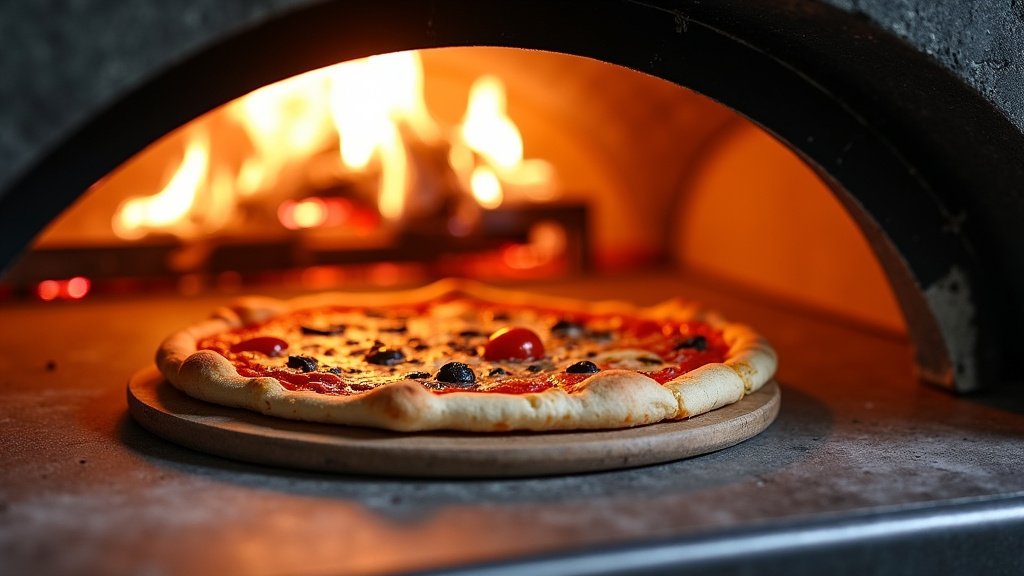
If you’re chasing that authentic, pizzeria-style taste, a wood fired oven is often the top choice. The unique flavor it imparts is simply unmatched by gas. This isn’t just a marketing claim; there’s real science behind it.
The Science of Smoky Flavor
When wood burns, it releases compounds that infuse into your pizza. This creates a distinct, smoky taste and aroma that gas ovens can’t replicate (Journal of Food Science). The high heat from the flames also cooks the toppings quickly, caramelizing them beautifully.
The intense heat also creates a perfectly blistered crust. That lovely char on the edges of your pizza? That’s a signature of a well-made wood fired pie. It adds a crispiness and chewiness that’s hard to get otherwise.
Gas Ovens: Clean and Consistent Heat
Gas ovens, on the other hand, provide a very clean burn. This means no smoky flavor is added to your pizza. Some people prefer this, as it allows the pure taste of the ingredients to stand out.
While gas ovens won’t give you that smoky char, they can still produce delicious pizzas. You’ll get a uniform cook and a golden crust. The flavor will be consistent every single time you bake, which is a big plus for many home cooks.
Temperature Control and Performance
How well you can manage the heat inside your oven directly impacts your pizza’s quality. This is where wood and gas ovens diverge significantly.
Mastering the Wood Fired Flame
Wood fired ovens reach incredibly high temperatures, often over 900°F (480°C). This extreme heat cooks a pizza in just 60-90 seconds. It takes practice to maintain the ideal temperature.
You’ll need to learn how to manage the fire, adding wood as needed. This process is part of the charm for many, offering a more hands-on cooking experience. It’s a skill you develop over time, like any good chef.
Gas Ovens: Precision at Your Fingertips
Gas ovens offer superior temperature control. You simply turn a dial to set your desired heat, and the oven maintains it. This consistency is a huge advantage, especially for beginners.
While gas ovens typically don’t reach the same extreme temperatures as wood fired models, many can still hit 800°F (425°C) or more. This is plenty hot for a fantastic pizza, usually cooking in about 2-3 minutes. It means less guesswork and more predictable results.
Convenience and Setup Requirements
Beyond taste and temperature, how easy is it to actually use and set up these ovens? This is a practical consideration for any homeowner.
The Wood Fired Workflow
Setting up a wood fired oven takes time and effort. You’ll need to gather and store wood, build the fire, and wait for the oven to heat up. This can take anywhere from 45 minutes to an hour or more before you can even launch your first pizza.
Cleanup involves managing ash and soot. While it’s not overly difficult, it is a regular task. For many, the ritual of building a fire and cooking with wood is part of the experience, almost a meditation.
Gas Ovens: Instant Gratification
Gas ovens offer unparalleled convenience. You connect them to a propane tank or natural gas line, turn them on, and they’re ready to cook in 15-20 minutes. There’s no wood to chop or ash to clean.
They are often more portable, making them great for tailgates or camping. If you value speed and minimal fuss, a gas oven will likely be your preferred choice. Many busy families appreciate this straightforward approach.
Cost Considerations for Your Pizza Oven
Budget always plays a role in any significant purchase. Let’s look at the financial aspects of both types of ovens.
Here’s a quick comparison of potential costs:
| Feature | Wood Fired Oven | Gas Oven |
|---|---|---|
| Initial Purchase | $300 – $5,000+ (kits or fully built) | $200 – $1,500+ (portable to built-in) |
| Fuel Cost | Wood: $150 – $400/cord annually | Propane: $20 – $60/tank (20lb) |
| Setup/Installation | Can be complex, potentially professional help | Simple hookup, often DIY |
| Maintenance | Ash removal, occasional chimney cleaning | Wipe down, burner cleaning |
The initial purchase price for a wood fired oven can vary wildly. Some smaller, portable models are quite affordable. However, a large, traditional brick oven often involves a significant investment, both in the oven itself and potentially in professional installation.
For gas ovens, the price range is generally lower. You can find excellent portable options for a few hundred dollars. Larger, built-in gas ovens will cost more but usually less than their wood fired counterparts. Consider the long-term fuel costs as well.
What’s Your Pizza Personality?
Ultimately, the “better” oven is the one that fits your lifestyle and cooking goals. We’ve seen that both types offer unique benefits.
Consider these questions when making your decision:
- Do you love the process of cooking, or just the end result?
- How much time are you willing to dedicate to preheating and maintenance?
- Is smoky, authentic flavor a non-negotiable for you?
- Do you prioritize ease of use and quick cooking?
- What’s your budget for the oven itself and ongoing fuel?
Your answers will likely steer you towards one oven type over the other. There’s no wrong answer, just the right oven for you.
Checklist: Which Pizza Oven is Right for You?
To help you decide, ask yourself these quick questions:
- Are you prepared for a hands-on, traditional cooking experience?
- Do you desire a distinct smoky flavor in your pizzas?
- Is portability and quick setup important for you?
- Do you prefer precise temperature control without managing a fire?
- Are you okay with a potentially higher initial investment for a specific aesthetic?
If you answered “yes” to the first two, a wood fired oven might be perfect. If your “yes” answers leaned towards the last three, a gas oven is probably a better fit. You’re building an experience, not just buying an appliance!
Conclusion
Deciding between a wood fired and a gas pizza oven boils down to your personal preferences and priorities. If you crave that authentic, smoky flavor and enjoy a hands-on cooking experience, a wood fired oven is likely your perfect match. You’ll invest more time but gain unparalleled taste.
However, if convenience, consistent results, and quick setup are more important, a gas oven will serve you exceptionally well. It offers ease of use without sacrificing delicious pizza. Consider your lifestyle and how you envision your pizza nights. Your ideal oven is waiting!
Frequently Asked Questions
Do portable pizza ovens come in both wood fired and gas options?
Yes, absolutely! Many manufacturers offer excellent portable versions for both wood fired and gas ovens. This makes them ideal for smaller spaces, tailgating, or taking to a friend’s house. You can enjoy great pizza on the go.
Can I use a wood fired oven indoors?
Generally, no. Wood fired ovens produce smoke and require proper ventilation, making them unsuitable for indoor use unless they are professionally installed with a dedicated chimney system. Most home models are designed for outdoor cooking.
Is it difficult to clean a wood fired pizza oven?
Cleaning a wood fired oven primarily involves managing ash. You’ll need to scoop out residual ash after each use. Occasional brushing of the cooking surface and checking the chimney for soot are also part of routine maintenance. It’s not difficult, but it is a regular task.
Do gas pizza ovens still get hot enough for Neapolitan-style pizza?
Many modern gas pizza ovens can reach temperatures of 800°F (425°C) or higher. This is certainly hot enough to produce excellent Neapolitan-style pizzas with a blistered crust and quick cook times, often in just 2-3 minutes.
What kind of wood is best for a wood fired pizza oven?
Hardwoods like oak, maple, apple, or hickory are best for wood fired pizza ovens. They burn hotter and longer, producing a clean, pleasant smoke that enhances your pizza’s flavor. Avoid softwoods, as they can burn too quickly and produce more creosote.
