Pizza Oven Accessories: The Complete Buying Guide
The right pizza oven accessories are the tools that shape, move, cook and finish a pizza without slowing you down. Start with a peel, a brush, a cutter and fuel matched to your oven, then add a cover, a cart or a door only if your setup needs it.
On this page (12 sections)
- What are the essential pizza oven accessories for a first kit?
- How do pizza oven accessories for outdoor use differ from indoor tools?
- Which peel should you buy for launching and turning pies?
- How do you choose the best pizza oven brush and cleaning tools?
- What are the best pizza oven accessories for shaping and portioning dough?
- How do stones, steels, screens and pans fit into a pizza oven kit?
- Which pizza oven accessories help you cut and serve clean slices?
- How do you pick fuel and heat accessories for wood, pellet, gas and electric ovens?
- How do covers, carts and doors protect an outdoor pizza oven setup?
- What are common mistakes when buying pizza oven accessories?
- How do you assemble a useful pizza accessory kit without overspending?
- Which pizza oven accessories should you buy first, and which can wait?
The right pizza oven accessories are the tools that shape, move, cook and finish a pizza without slowing you down. Start with a peel, a brush, a cutter and fuel matched to your oven, then add a cover, a cart or a door only if your setup needs it.
You do not need to buy every item at once. A small kit that fits your oven opening and your fuel type will work better than a large kit with tools you rarely use.
This guide explains what each type of accessory does. It also shows how to match tools to a stone, a steel, a screen or a pan, and how to protect the whole setup when the oven lives outdoors.
What are the essential pizza oven accessories for a first kit?
The essential pizza oven accessories are a peel, a brush, a cutter, a thermometer and the right fuel. Those five cover launching, cleaning, serving, heat checks and cooking.
A peel moves dough from the counter to the hot stone. A brush clears flour and baked bits before the next pie.
A cutter makes serving clean and quick.
A thermometer matters because oven dials and built-in gauges can differ from stone temperature. You need to know the stone is hot enough before dough goes in.
That check also prevents pale centers and burnt edges. Wood and pellet ovens can swing with wind, fuel moisture and door use, so read the heat before you launch.
Fuel belongs in the first kit because performance starts before dough is stretched. Pellets that have taken on moisture, or wood stored on damp ground, will not give the heat the oven was built to reach.
Dry storage and the correct fuel type are therefore core accessories, not afterthoughts. Wood, pellets, gas and electric ovens each need a different fuel, and the wrong choice can harm performance or safety.
Start with those basics and cook a few times before adding extras. You will learn which tool you reach for each time, and that habit is a better guide than any long shopping list.
Think of the first kit as a work flow. Dough comes off the counter on a peel, it bakes on the stone, it gets turned with the same peel, the surface gets brushed clean, and the finished pie gets cut at the board.
Use a sharp pizza cutter to make clean slices.
What should you check before you order the first kit?
Measure the oven opening in width and height before you choose a peel head or a brush head. Note the oven height above the work surface, because handle length and cart height depend on that number.
Note the fuel type in the manual and plan storage for that fuel at the same time.
How do pizza oven accessories for outdoor use differ from indoor tools?
Outdoor pizza oven accessories need to handle weather, wind and storage more than indoor tools do. A cover, a stable cart and dry fuel storage are outdoor priorities, while the peel and cutter stay similar.
Wind can change how wood and pellets burn, so watch flame behavior closely. A door or windbreak can help some wood fired ovens hold heat during a long bake.
Rain and morning dew can dampen fuel and leave moisture on a stone or steel. Store fuel off the ground in a sealed container and let the oven dry before heating it.
A cart raises the oven to a workable height and gives you a place to stage dough and tools. That matters more outdoors, where the oven may sit on a patio table or a low stand.
Our guide to the Best Pizza Oven For Outdoor Kitchens can help you match the oven, the cart and the cover to your space before you buy tools.
Outdoor heat also changes how you stand and reach. Sun, wind and a hot oven face affect comfort during a long session, so a stable surface at elbow height matters more than it does inside.
Tool materials need extra thought outside as well. Wooden handles can swell in humidity and metal heads can get hot in direct sun.
Placement is another outdoor decision. Keep the oven away from walls and overhangs that can trap heat, and keep dough prep away from the hot face.
Which peel should you buy for launching and turning pies?
Pick a peel that fits your oven opening and the size of pies you make. The head should slide into the oven with room to turn the pizza, and the handle should keep your hand away from the heat.
A metal peel is thin, so it slides under a stretched crust with less flour. That helps when your dough is soft or when cheese and toppings are already on the pie.
A wood peel has more texture, so it grips raw dough well during stretching and loading. Many home cooks use wood for prep and metal for launching and turning.
Handle length matters for outdoor ovens that sit high on a cart. A longer handle gives reach, but it also needs storage space and can feel heavy when the head is loaded.
Our comparison of pizza peel metal vs wood explains the trade offs by dough type. Read it before you buy, because the wrong peel can stick, tear or drop a pie.
Head shape matters as much as head material. A round head suits round pies and turns with less wasted space, while a square head can suit square pies and help you slide in a straight line.
Weight and balance also affect control during the launch. A lighter peel with a firm handle often gives a steadier motion, especially when you need to turn the pie halfway through the bake.
How do you choose the best pizza oven brush and cleaning tools?
Choose a brush with a long handle and bristles that can clear flour without scratching the stone. You will use it between pies, when the surface is hottest and your reach matters most.
A brush clears loose flour, scattered cornmeal and small bits of baked cheese. Those bits can scorch and add bitter flavor to the next crust if they stay on the stone.
Short brushes force you to lean over the oven opening. That is uncomfortable with a hot oven and risky if your sleeve or a towel slips toward the heat.
Keep a separate scraper for stuck bits that a brush cannot move. Use it gently, lift rather than gouge, and let the stone cool before deeper cleaning.
Our roundup of best pizza oven brush options explains handle length, bristle type and head size. Match the head to your oven opening so you can reach the back corners.
Bristle stiffness is the detail to watch. Soft bristles move loose flour but leave burnt cheese behind, while stiff bristles can push debris into the stone surface or scratch a steel.
The right brush for a stone may be wrong for a steel, so check the cooking surface before you pick a head.
Replacement matters with brushes more than with most tools. Worn bristles or a warped head will push flour around instead of clearing it, and that shows up as dark spots on the next crust.
Inspect the brush after a few sessions and replace it when the head no longer sweeps clean.
What are the best pizza oven accessories for shaping and portioning dough?
Shaping tools help you portion dough evenly and keep it from sticking during prep. A bench scraper, a scale and a lightly floured surface do most of this work.
A scale gives you repeatable dough balls, so each pie cooks in the same time. Without consistent portions, one pie may finish while the next stays pale in the center.
A bench scraper lifts dough from the counter and cuts portions cleanly. It also pushes flour aside and clears your work area during a busy prep session.
Parchment or a pizza screen can help beginners launch a pie with less stress. A screen supports the dough from below, while parchment lets you build the pie away from a peel.
A best pizza screen for oven can suit thin crust styles and home ovens. For a high heat outdoor oven, a peel and a hot stone usually give a crisper base.
Dough tools work best when they match the dough style you make most often. A soft, high hydration dough needs gentle handling and a light touch with flour, while a firmer dough tolerates more pressing and stretching.
A bench scraper helps both, because it lifts without tearing the surface.
Portioning deserves more attention than it gets. A dough ball that is a few grams heavier will need more time at the same heat, and that extra time can brown the toppings before the center sets.
Weighing portions makes those small differences visible before the oven does.
How do stones, steels, screens and pans fit into a pizza oven kit?
The cooking surface you choose changes which accessories you need and how you use them. A stone, a steel, a screen and a pan each handle heat and moisture in a different way.
A stone absorbs moisture and gives a crisp but not glassy crust. It needs time to heat through, and it can crack if cold dough or liquid hits a very hot surface.
A steel heats faster and transfers heat quickly to the base. That speed suits home ovens, but outdoor oven owners often prefer a stone that can take direct flame and high heat.
A pan contains oil and cheese, which helps for deep dish or Sicilian styles. It also protects the oven floor from drips, at the cost of a less crisp bottom.
Our guide to best material for pizza stone covers cordierite, ceramic and other options. Our best pizza steel for oven guide covers thickness and care.
For grill based cooking, best pizza stone for grill explains heat distribution and placement. For pan styles, best pizza pan for oven covers sizes and materials.
Which cooking surface suits your oven and your style?
A stone suits most wood and pellet ovens because it tolerates direct flame and gives a firm base without making the crust tough. A steel suits home ovens where fast heat transfer matters more than flame contact.
A screen suits thin crust styles where airflow under the base helps crispness. A pan suits deep dish styles where oil and sauce need containment.
Size is the practical filter for all four options. The surface must fit the oven opening with room for a peel to slide under the edge, and it must leave space for heat to circulate.
A surface that fills the opening wall to wall can make launching and turning difficult, even if it looks like a good fit.
Care differs by surface as well. Stones should be kept dry and brushed clean, steels should be kept dry to prevent rust, screens should be checked for bent wires, and pans should be washed and stored flat.
Matching care to the surface keeps the accessory kit working as intended.
Which pizza oven accessories help you cut and serve clean slices?
A good cutter makes serving fast and keeps cheese from dragging across the crust. Choose a blade and handle that stay sharp, rinse clean and feel safe in your hand.
A rocking cutter with a single blade suits round pies and lets you press straight down. A wheel style cutter works for thin crusts and for cutting slices at the table.
A long blade helps with large pies, but it needs careful storage. A shorter blade is easier to handle and often enough for 12 inch pies.
Sharp steel matters more than fancy handles. A dull blade tears cheese and crust, so replace or sharpen a cutter when it starts to drag.
Our guide to best stainless steel pizza cutter covers blade shape, handle design and cleaning. Pick a cutter that fits the pies you actually make.
Cutting technique affects the result as much as the tool. A rocking cutter works best with a firm downward press and a slight roll, while a wheel cutter needs a steady pull without pressing down hard.
Forcing either tool through a hot pie will drag cheese and cool the crust.
Blade care is simple but easy to skip. Wash and dry the blade after use, store it where the edge will not bend, and check the edge before a session rather than during it.
A cutter that is stored loose in a drawer will dull faster than one that is kept flat and dry.
How do you pick fuel and heat accessories for wood, pellet, gas and electric ovens?
Match fuel to the oven first, then choose accessories that support steady heat. Wood, pellets, gas and electric each need different handling, and a tool for one type may not suit another.
Wood fired ovens need dry wood in small pieces that catch well and burn clean. Damp wood makes smoke, uneven heat and a slow start, which frustrates beginners.
Pellet ovens need pellets made for that oven, stored dry and free of debris. Pellets that absorb moisture can burn poorly and clog the hopper or fire pot.
Gas and electric ovens do not need wood or pellets, but they still benefit from a thermometer and a peel. Those tools help you check stone temperature and move pies safely.
Our best pizza oven pellets roundup compares blends and bag sizes. Our best wood for outdoor pizza oven guide covers wood types for flavor and burn.
If you use an Ooni, best wood for ooni pizza oven explains which wood suits that oven size and airflow.
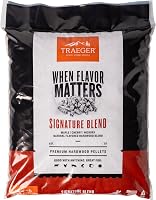
Traeger Signature Blend uses hickory, maple and cherry hardwoods. That mix suits beef, poultry, pork, lamb, seafood, baked goods and vegetables.
Traeger says the pellets are all natural, made in American mills and contain no binders. The bag holds 18 lb, so it feeds a pellet oven through several sessions.
How do you store pellets so they burn well?
Store pellets in a sealed container off the ground and away from direct sun and rain. Keep the container in a dry spot and close it after each use, because pellets can absorb moisture from humid air.
Discard or set aside any pellets that crumble easily or smell musty, since they may not burn evenly.
Traeger Hickory pellets use hickory hardwood for a full and bold flavor. That profile suits beef, chicken, pork and vegetables.
The bag holds 18 lb and lists no binders and low ash. Store it sealed and dry, because pellet performance depends on moisture control.
Heat accessories for gas and electric ovens follow a different logic. A thermometer, a peel and a brush still matter, but fuel handling drops away.
That makes the kit simpler, and it also means storage space can focus on peels, brushes and cutters instead of fuel containers.
How do covers, carts and doors protect an outdoor pizza oven setup?
A cover, a cart and a door each protect a different part of your setup. A cover guards against weather, a cart guards against low or unstable placement, and a door helps hold heat during longer bakes.
A cover should fit the oven with a little extra room for legs or a chimney. A tight cover traps moisture, while a loose cover can flap in wind and wear the oven finish.
A cart should hold the oven weight with margin and keep it level. Level placement helps the stone sit flat and keeps oil and sauce from pooling to one side.
A door seals the opening during long bakes, such as bread or casseroles. It is not a substitute for a peel, and it should only be used when the oven design allows it.
Our best outdoor pizza oven cover roundup covers fit, material and strap design. Our best pizza oven cart guide covers weight capacity, wheel size and work surface space.
SIMOND STORE lists this door at 20 inches wide by 11 inches high. It uses 304 grade stainless steel in a 10 gauge sheet, with two wooden handles for grip.
The door has no lock and installs freestanding against the oven opening. That design suits brick and commercial ovens that need heat retention during long bakes.
How do you measure correctly for a cart or a door?
Measure the oven footprint, the oven weight and the opening width and height before you order a cart or a door. For a cart, check that the top surface is larger than the oven base and that the wheels can lock on your patio surface.
For a door, check that the panel covers the opening without gaps at the corners, because gaps let heat escape during a long bake.
BIG HORN lists a 12 inch oven that reaches 1110 degrees Fahrenheit and cooks pizza in 60 to 90 seconds. It weighs 25 lb and folds for storage, with a square stone at 12 by 12 inches.
The oven runs on pellets for wood fired flavor, and BIG HORN sells gas and electric burner attachments separately. Overall size is 21.6 by 14 by 28 inches, so check your cart and cover before you buy.
A cart and a cover should be planned together. A cart that raises the oven higher will need a cover that fits the new height, and a cover that is too large will trap air when it is strapped down.
Measure the oven on the cart, not on the ground, before you choose a cover size.
A door needs the same care with fit. A panel that covers the opening cleanly will hold heat during a long bake, while a panel that is too small will leave warm air a path out.
The SIMOND STORE door listed above is sized at 20 by 11 inches, so that size should be matched to the opening before purchase.
What are common mistakes when buying pizza oven accessories?
The most common mistake is buying tools that do not fit the oven opening. A peel head that is too wide, a brush that is too short or a door that is the wrong size wastes money and slows cooking.
Another mistake is buying fuel before reading the oven manual. Pellet, wood, gas and electric ovens each expect a specific fuel, and substitutes can reduce performance.
Buyers also skip storage. Tools left outdoors without a cover collect moisture, and pellets stored in a damp bag burn poorly.
Dry storage is part of the accessory kit, not an extra. A further mistake is adding a spare stone or steel before learning the first one.
Check measurements, fuel type and storage first. Then buy the tools you will use on every session, and add specialty items later.
A related mistake is buying for a style you do not cook often. If most of your pies are round and thin, a pan, screen or steel for another style will sit unused while core tools wear out.
Another common error is ignoring handle length until the oven is in place. Measure the distance from your hand to the oven opening with the oven at its final height, and choose a handle that keeps you comfortable at that reach.
How do you assemble a useful pizza accessory kit without overspending?
Assemble a kit around tasks, not around product categories. Each item should cover launching, turning, cleaning, cutting, measuring heat or storing fuel.
For a first outdoor kit, choose a peel that fits the opening, a long handled brush, a sharp cutter, a thermometer and the correct fuel. Add a cover if the oven stays outside.
For a second stage, add a cart if the oven sits too low or too high. Add a door only if your oven design uses one and you bake items that need long heat retention.
For a third stage, consider a spare stone, a screen or a pan for different styles. Those items expand what you cook, but they do not replace the core tools.
Our guide Can You Use A Rotisserie Oven Outdoors? covers outdoor safety and placement questions that also apply to pizza ovens. Read it if you plan to cook outside in wind or rain.
Overspending often starts with duplicate tools. Two peels that do the same job, or two brushes with the same head size, will not improve a session as much as one good peel and one spare brush head.
Keep a short list of tasks, then buy one tool per task until you know your habits. A better use of the budget is often storage.
A sealed fuel container, a cover that fits and a cart that holds the oven level will protect the tools you already own. Those items pay off in every session, while specialty tools pay off only when a specific style comes up.
Which pizza oven accessories should you buy first, and which can wait?
Buy a peel, a brush, a cutter, a thermometer and fuel first. Those items handle every session, regardless of oven brand or fuel type.
Wait on a cart, a door and a spare cooking surface until you cook a few times. You will know if the oven height works, if heat escapes and if you want a different crust style.
Wait on specialty tools for dough stretching until your dough handling feels steady. A scale and a bench scraper help earlier, because portioning affects every pie.
Store what you buy dry, measure the oven opening before ordering and match fuel to the manual. That order keeps pizza oven accessories useful from the first bake onward.
The order matters because each purchase answers a question from the last cook. After a few sessions you will know whether the peel head is too large, whether the brush reaches the back corners and whether the oven holds heat well with the door closed.
Those answers turn a generic list into a kit that fits your space.
Buy in stages and keep the receipts and measurements together. A simple note with the oven opening size, the fuel type and the cart height will make the next purchase faster and more accurate.
That record is part of the kit, even though it costs nothing.
Frequently asked questions
What pizza oven accessories do beginners need first?
Beginners need a peel for launching and turning pies, a brush for cleaning the stone, a cutter for serving and the correct fuel for the oven. A cover helps if the oven stays outdoors.
Add a cart or spare stone only after you know how often you cook.
Are accessories for an outdoor pizza oven different from indoor tools?
The basic tasks are the same, but outdoor use adds weather protection and fuel storage. A cover, a stable cart and dry fuel storage matter more outside.
Long handles also help you work safely around high heat.
Do I need a metal or wood pizza peel?
A metal peel slides under a thin crust with less flour, while a wood peel gives more grip for stretching and loading dough. Many cooks use one for launching and one for serving.
Your choice depends on dough style and oven opening size.
What should I store with pizza accessories for a pizza oven?
Store peels, brushes and cutters dry and away from direct heat. Keep fuel in a sealed container off the ground.
A cover protects the oven and any tools left on a cart between sessions.
Do pizza oven accessories work with pellet, gas and wood fired ovens?
Peels, brushes and cutters work across fuel types. Fuel and doors do not, because each oven expects a specific fuel and opening size.
Check the oven manual before buying pellets, wood or a replacement door.