
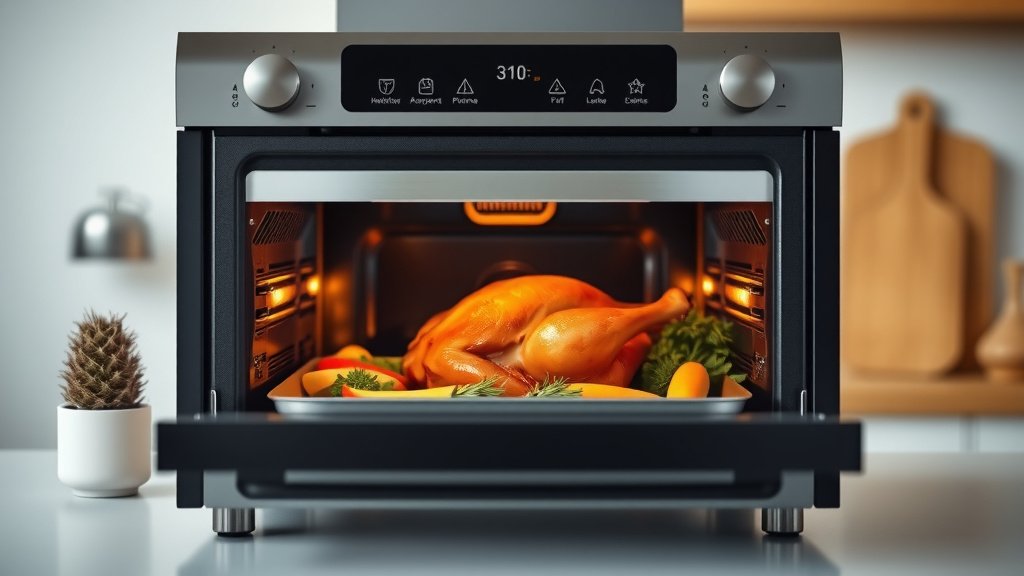
The best foods to cook in an infrared oven are generally those that benefit from high, even heat and a crispy exterior, such as meats, poultry, vegetables, and frozen items. An infrared oven excels at searing, roasting, and quickly cooking a wide variety of meals with efficient energy use.
You’ll find excellent results with foods needing a good crust or even cooking, like roasted chicken, perfectly seared steaks, crisp pizzas, and tender vegetables, thanks to its unique radiant heat technology.
- Infrared ovens excel at searing and roasting, locking in moisture for juicy results.
- Meats like steaks, chicken, and pork often cook faster and achieve a better crust.
- Vegetables roast beautifully, getting tender insides and slightly charred edges.
- Frozen foods cook efficiently, often without needing to preheat your oven first.
- Baked goods can also work, but some delicate items might require careful monitoring.
What Foods Cook Best In An Infrared Oven?
Infrared ovens truly shine with foods that benefit from intense, direct heat, creating a perfect balance of tenderness and crispness. Think about dishes where you want that delightful browning without drying out the inside.
How Infrared Ovens Work Their Magic
Infrared ovens use electromagnetic waves to transfer heat directly to your food. Unlike traditional convection ovens that heat the air, infrared warms the food itself. This means faster cooking times and more consistent results, often without needing to preheat (KitchenAid).
It’s like placing your food in direct sunlight, but inside an oven. This direct heat penetrates food quickly, cooking it from the inside out while also browning the surface. You get a beautiful crust and juicy interior, which is a fantastic combination for many dishes.
Sizzling Meats and Poultry
If you love a perfectly seared steak or a juicy roasted chicken, your infrared oven will become your best friend. The intense heat quickly browns the outside, creating a delicious crust. This process also helps to seal in the natural juices.
Steaks, Chops, and Roasts
For cuts like ribeye steaks, pork chops, or even a smaller beef roast, infrared heat is ideal. You’ll get that lovely caramelization on the exterior, often found in restaurant-quality dishes. Many home cooks report superior browning and flavor compared to conventional methods.
Imagine a perfectly cooked steak, seared to a beautiful medium-rare, or pork chops with a nice char. The speed also means less time waiting for dinner. Just be sure to monitor cooking times closely, as infrared cooks faster.
Whole Chickens and Poultry Pieces
Roasting a whole chicken in an infrared oven gives you incredibly crispy skin and moist, tender meat. The radiant heat ensures even cooking throughout the bird. Chicken thighs, wings, and breasts also cook wonderfully.
Research we found often highlights the efficiency of infrared for poultry. You might even find your favorite chicken recipe tastes better. Remember to always use a meat thermometer to ensure safe internal temperatures (USDA).
Roasted Vegetables: A Flavorful Treat
Vegetables absolutely thrive in an infrared oven. The high heat encourages caramelization, bringing out their natural sweetness. You’ll get tender interiors with deliciously browned, slightly crispy edges.
Root Vegetables and Heartier Options
Potatoes, carrots, sweet potatoes, and broccoli florets become incredibly flavorful when roasted with infrared heat. Toss them with a little oil and your favorite seasonings. We found that the rapid heating helps prevent them from getting mushy.
Brussels sprouts, cauliflower, and asparagus also cook beautifully. They develop a nice char without burning. It truly transforms everyday vegetables into something special.
Crispy Pizzas and Baked Goods
Yes, your infrared oven can handle more than just meats and veggies! It’s surprisingly good for certain baked items, especially those needing a crisp crust.
Perfectly Baked Pizzas
A frozen pizza or a fresh homemade pie cooks quickly and evenly in an infrared oven. The direct heat helps create that coveted crispy crust. Many experts say it mimics a brick oven effect in miniature (Good Housekeeping).
You will love how the cheese melts and bubbles, while the toppings get nice and hot. Just watch it carefully, as cooking times can be shorter than you expect. This means you get to enjoy your pizza sooner!
Breads and Baked Snacks
While not for every delicate pastry, breads, rolls, and certain baked snacks do well. Think about reheating garlic bread or making frozen pastries golden brown. The quick heating ensures a good texture.
For more delicate cakes or cookies, you might need to adjust settings or baking times. Always remember that each oven is a bit different, so some experimentation is helpful.
Efficiently Cooking Frozen Foods
One of the biggest conveniences of an infrared oven is its ability to cook frozen foods quickly and often without preheating. This is a real time-saver on busy evenings.
Frozen Meals and Appetizers
Whether it’s chicken nuggets, fish sticks, spring rolls, or a full frozen meal, infrared excels. The direct heat penetrates quickly, cooking items thoroughly and evenly. We found that you often achieve a crispier result.
This is fantastic for busy families or when you need a quick snack. No more waiting ages for the oven to warm up! Just pop it in and let the infrared do its work.
Foods to Approach with Caution
While infrared ovens are versatile, some foods might require extra attention or are better suited for traditional methods. This isn’t a downside, just something to keep in mind.
Delicate items like soufflés or custards might not get the gentle, even rise they need. Also, very thin or small items can cook extremely fast, potentially drying out. Think of it as a powerful tool that needs a light touch sometimes.
Cooking Times Comparison
Here’s a quick look at how infrared can compare for some common foods, keeping in mind actual times can vary by model and food thickness.
| Food Item | Traditional Oven (Approx.) | Infrared Oven (Approx.) |
|---|---|---|
| Chicken Breast (6oz) | 20-25 minutes | 12-18 minutes |
| Steak (1 inch thick) | 15-20 minutes | 8-15 minutes |
| Roasted Potatoes | 30-40 minutes | 20-30 minutes |
| Frozen Pizza | 15-20 minutes | 10-15 minutes |
| Asparagus | 10-15 minutes | 7-10 minutes |
Tips for Infrared Oven Success
Getting the most from your infrared oven is simple with a few helpful pointers. You’ll be cooking like a pro in no time!
Your Quick Checklist for Great Results
- Preheat if recommended: While many infrared ovens don’t need preheating, some recipes or models might benefit. Check your specific oven’s guide.
- Monitor closely: Foods cook faster! Stay near your oven, especially the first few times with a new recipe.
- Adjust rack position: Place food closer to the infrared elements for more direct heat, or further away for a gentler cook.
- Use appropriate bakeware: Metal pans generally work well. Avoid reflective pans that might block the infrared energy.
- Flip for evenness: While infrared is usually even, flipping meats or thicker items can ensure all sides get that beautiful sear.
- Don’t overcrowd: Give food space for the radiant heat to circulate effectively.
Conclusion
Your infrared oven is a powerful tool, particularly for foods that love intense, direct heat. From perfectly seared meats and poultry to beautifully roasted vegetables and crispy pizzas, it truly elevates everyday cooking. The speed and efficiency are game-changers, especially for busy households.
By understanding what foods cook best and following a few simple tips, you’ll unlock the full potential of your infrared oven. So, go ahead, experiment with your favorite recipes, and prepare to be amazed by the delicious, restaurant-quality results you can achieve right in your own kitchen.
How do infrared ovens compare to convection ovens for roasting?
Infrared ovens cook with radiant heat directly, resulting in faster cooking and better searing for items like roasts. Convection ovens use a fan to circulate hot air, which provides even cooking but might not achieve the same intense browning or speed as infrared.
Can I bake cakes and cookies in an infrared oven?
Yes, you can bake some cakes and cookies, but you might need to adjust your baking times and temperatures. Delicate items can cook very quickly, so vigilance is key. It’s often better for items needing a crisp exterior, like some bread or pastries, rather than fluffy cakes.
Do infrared ovens dry out food?
No, surprisingly, infrared ovens are often praised for locking in moisture. The rapid searing process creates a crust that helps retain juices inside meats and poultry. However, overcooking any food can lead to dryness, so always monitor cooking times carefully.
Is preheating necessary for an infrared oven?
For many foods, especially frozen items or quick cooks, preheating is not necessary, which is a major advantage. For larger items or specific recipes, a short preheat might be beneficial. Always check your oven’s manual or recipe recommendations.
What kind of cookware is best for an infrared oven?
Darker, non-reflective metal bakeware (like cast iron or dark sheet pans) works very well as it absorbs the infrared energy efficiently. Glass or light-colored, highly reflective pans can sometimes block the radiant heat and may extend cooking times.
