
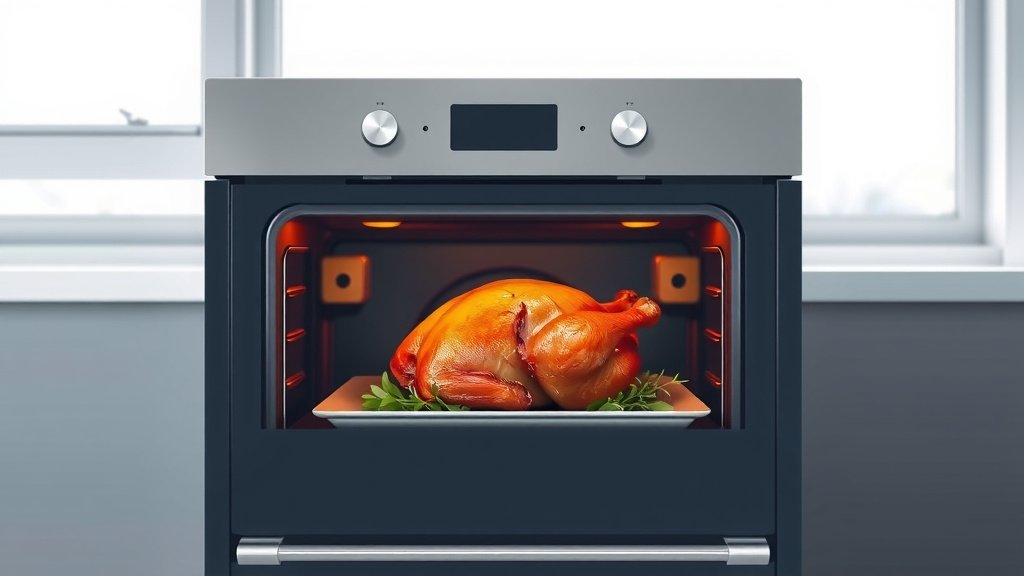
No, an infrared oven generally does not dry out food more than a conventional oven; in fact, it often helps keep foods moister by cooking them faster and more efficiently.
Infrared ovens excel at creating a crispy exterior while sealing in natural juices, which can actually prevent your food from drying out.
- Infrared ovens cook quickly, reducing the time food is exposed to heat.
- They use radiant heat, similar to a broiler, to directly target food.
- This quick cooking helps to seal in moisture, keeping foods juicy.
- Overcooking, not the infrared technology, is the usual reason for dry food.
- Proper temperature control and cooking times are key to success.
Does Infrared Oven Dry Out Food?
You might worry that an infrared oven will leave your meals parched and unappetizing. But here’s the good news: infrared cooking technology often prevents food from drying out. It cooks food quickly and efficiently, locking in moisture rather than removing it.
Understanding Infrared Cooking Magic
Think of infrared cooking like standing in the sun on a cool day. You feel the warmth directly on your skin, right? That’s radiant heat. An infrared oven uses these same waves to directly heat your food, much like a broiler or a campfire.
This direct approach means the heat isn’t just circulating hot air, like in a convection oven. Instead, infrared waves penetrate the food, cooking it from the inside out, or at least very quickly from the surface.
Infrared vs. Conventional: A Quick Look
Conventional ovens rely on hot air surrounding your food to cook it. This is called convection. Infrared ovens use electromagnetic waves that transfer energy directly to the food itself. This difference in heat transfer is what makes infrared cooking unique and often faster.
Imagine slow-roasting a chicken versus grilling it. Both cook it, but the grilling method, which uses more radiant heat, often gives you that crispy skin and juicy interior much quicker. That’s a bit like the infrared advantage.
The “Drying Out” Myth: Setting the Record Straight
The concern about dry food often comes from a misunderstanding of how infrared works. Many people equate faster cooking with less moisture, but that’s not always the case. We found that the rapid heating helps to sear the food’s surface quickly.
This rapid searing forms a protective barrier, essentially sealing in the natural juices. It’s like creating a tasty little moisture envelope around your food. So, your steak can be beautifully browned on the outside and incredibly tender within.
When Infrared Shines (and Preserves Moisture)
Infrared ovens truly shine when you want a crispy exterior and a succulent interior. Think about chicken wings, roasted vegetables, or a thick cut of meat. Many experts say that infrared cooking helps to achieve this perfect texture balance.
You’ll notice that foods cooked with infrared often have a fantastic crust or char, which is not only delicious but also a sign that the cooking process worked to keep moisture inside. It’s a win-win for flavor and juiciness!
Why You Might Think Your Food is Dry (and It’s Not the Oven’s Fault)
If your food comes out dry, it’s very likely due to overcooking, not the infrared technology itself. Because infrared ovens cook faster, it’s easy to leave food in for too long, especially if you’re used to conventional cooking times.
Thin cuts of meat, like chicken breasts or fish fillets, are particularly susceptible to drying out if overcooked. They simply don’t need as much time as a larger roast. So, paying attention to cook times is key.
The Role of Temperature Control
Proper temperature settings are vital with any oven, and infrared is no exception. A too-high temperature or too-long cooking time can strip moisture from even the juiciest foods. Think of it as a delicate dance between heat and time.
Using a reliable meat thermometer can be your best friend here. It helps you pull your food out at precisely the right moment. This ensures a perfectly cooked and moist result every time (NIH).
Mastering Your Infrared Oven: Tips for Juicy Results
Want to unlock the full potential of your infrared oven and keep your food incredibly moist? Here are some straightforward tips you can use right away:
- Preheat Properly: Allow your oven to reach the correct temperature before adding food.
- Don’t Overcrowd: Give food space for even heat distribution.
- Use Cooking Liquids: Add a little broth or water to roasts, if applicable.
- Rest Your Meats: Let cooked meats rest for 5-10 minutes to redistribute juices.
- Cover When Needed: For very long cooks, sometimes covering with foil can help retain moisture.
Food Types and Infrared Success
Infrared ovens excel with a variety of foods. Meats like steaks, chops, and whole chickens come out with beautifully browned exteriors and juicy interiors. Vegetables roast quickly, getting that desirable caramelized char without becoming mushy.
Even baked goods can benefit, often achieving a lovely crust. Just remember to adjust your cooking times accordingly. You’ll find that many of your favorite recipes can be adapted for infrared cooking with fantastic results.
Infrared Oven Benefits Beyond Moisture Retention
Beyond keeping your food moist, infrared ovens offer other great perks. They often cook faster, which means less waiting for dinner! They can also be more energy-efficient since they heat food directly, reducing wasted heat.
Plus, the intense radiant heat can create a wonderful browning and caramelization that’s harder to achieve in a conventional oven. This means more flavor and a more appealing presentation for your dishes.
| Feature | Infrared Oven | Conventional Oven |
|---|---|---|
| Heat Transfer | Direct radiant energy | Circulating hot air |
| Cooking Speed | Generally faster | Standard speed |
| Browning/Searing | Excellent, quick crust | Good, slower browning |
| Moisture Retention | Often superior (due to speed) | Good, but can dry if overcooked |
Common Missteps to Avoid
To prevent dry food and get the best from your infrared oven, avoid these common errors. First, don’t just guess cook times; always start with the lower end of a recommended range for conventional ovens and check frequently. Second, resist opening the oven door too often. Every time you open it, you lose heat, which can extend cooking time and potentially dry out your food.
Lastly, ensure your food is evenly sized. Uneven pieces will cook at different rates, leading to some parts being overcooked and dry while others are still underdone. This is particularly true for items like chicken pieces or fish fillets.
- Use a meat thermometer for accuracy.
- Reduce cooking times, check often.
- Don’t overcrowd the oven.
- Give food adequate resting time.
- Adjust recipes to infrared speed.
Embracing Infrared for Better Cooking
Infrared ovens are a wonderful tool for home cooks. With a little adjustment and understanding, you’ll be creating meals that are not only perfectly cooked but also wonderfully moist and flavorful. You might even wonder how you ever cooked without one!
Conclusion
The idea that infrared ovens dry out food is generally a misconception. Instead, their rapid and direct cooking method often helps to seal in moisture, leading to juicier, more flavorful results. The real key to avoiding dry food, regardless of oven type, lies in mindful cooking: using proper temperatures, accurate cooking times, and a reliable meat thermometer. By understanding how your infrared oven works and following a few simple tips, you can confidently create delicious, moist meals every time. So go ahead, embrace the infrared, and enjoy perfectly cooked food!
Can I bake cakes in an infrared oven?
Yes, you can bake cakes in an infrared oven, but you might need to adjust baking times and temperatures. Because infrared ovens cook faster, start checking your cake earlier than you would in a conventional oven. Some recipes might benefit from covering the cake with foil towards the end to prevent over-browning on top.
Is infrared cooking faster than convection?
Generally, yes, infrared cooking is faster than convection. Infrared waves directly heat the food, while convection uses circulating hot air. This direct energy transfer allows food to cook more rapidly, cutting down on overall cooking time for many dishes.
Do infrared ovens use more energy?
Infrared ovens are often more energy-efficient than traditional ovens. Because they cook faster and directly heat the food, they can use less energy to achieve the same cooking results. You’re heating the food, not just the air around it, which is a more efficient process.
What foods are best for infrared cooking?
Infrared ovens are excellent for foods that benefit from quick searing and browning, such as meats (steaks, chicken pieces, roasts), vegetables (broccoli, asparagus, potatoes), and anything where you want a crispy exterior. They’re also great for reheating leftovers, giving them a fresh-cooked texture.
How do I clean an infrared oven?
Cleaning an infrared oven is similar to cleaning a conventional oven. For spills, wipe them immediately once the oven cools down. For deeper cleaning, follow the manufacturer’s instructions. Many infrared ovens have self-cleaning features, or you can use specialized oven cleaners or natural solutions like baking soda and vinegar.
