
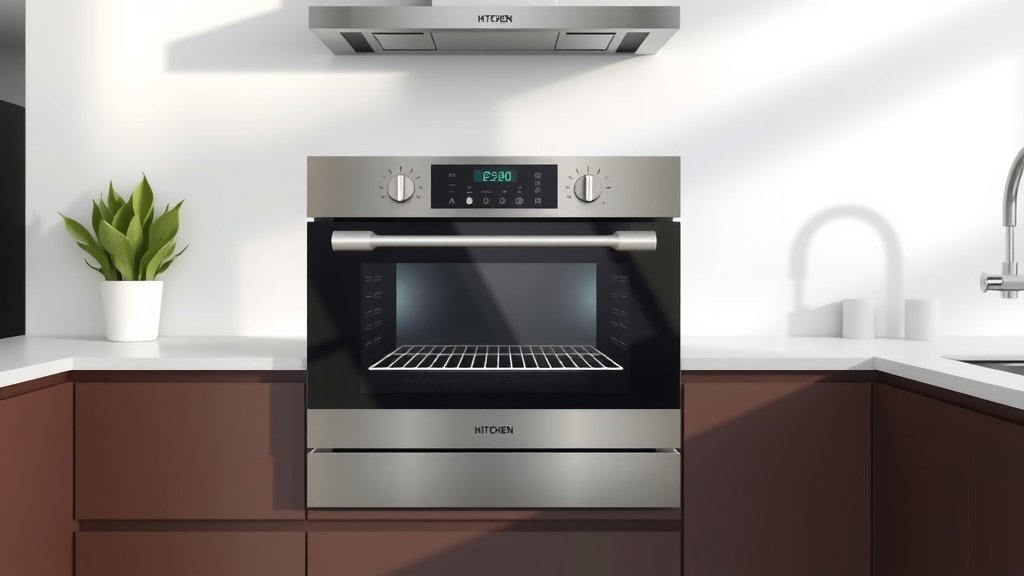
A countertop oven is a compact, electric cooking appliance designed to sit on your kitchen counter, offering a smaller alternative to a full-sized wall or range oven.
It provides versatile cooking functions like baking, broiling, toasting, and reheating, perfect for smaller meals or limited kitchen space.
- Countertop ovens are compact, electric cooking devices for your kitchen counter.
- They handle many tasks: baking, roasting, toasting, and reheating small portions.
- These ovens save space and energy compared to traditional full-sized ovens.
- Perfect for small kitchens, dorms, RVs, or for supplementing your main oven.
- They offer convenience and quick cooking for everyday meals.
What Is A Countertop Oven?
A countertop oven is essentially a mini-oven you place right on your kitchen counter. Think of it as a powerful, multi-purpose appliance that takes up less room than a standard oven.
It’s a fantastic solution for many homes, offering a surprising range of cooking capabilities in a compact package.
Why Consider a Countertop Oven?
Are you wrestling with limited kitchen space or a bustling family schedule? A countertop oven could be your culinary secret weapon. People often choose these appliances for their sheer practicality and convenience.
We found that they truly simplify daily cooking tasks, making meal prep a bit less stressful for everyone.
Saving Space and Energy
One of the biggest draws is how much counter ovens save space. They free up your main oven for larger dishes, or they become your primary cooking device if you live in a smaller home.
They also consume less energy than a full-sized oven, making them a more energy-efficient choice for smaller meals (US Department of Energy).
Quick Heating and Convenience
Who enjoys waiting ages for a huge oven to preheat for a single pizza or a tray of cookies? Countertop ovens heat up much faster. This quick heating means you spend less time waiting and more time enjoying your food.
It’s all about making your cooking experience as smooth and convenient as possible during busy weekdays.
Versatile Cooking Options
Don’t let their size fool you. Modern countertop ovens are incredibly versatile. You can bake muffins, roast vegetables, broil a chicken breast, or simply toast your bagels. Many models now even offer specialized settings for different dishes.
They bring a surprising amount of culinary flexibility right to your fingertips, helping you create a wide array of meals.
Types of Countertop Ovens
The world of countertop ovens is more diverse than you might imagine! Each type offers specific advantages, catering to different cooking needs and preferences.
Knowing the differences helps you pick the perfect one for your kitchen and lifestyle.
Traditional Toaster Ovens
These are perhaps the most recognized type. Traditional toaster ovens are excellent for toasting bread, reheating leftovers, and baking small batches of cookies. They are typically the most basic and affordable options available.
Many experts consider them a great starting point for anyone new to the countertop cooking scene.
Convection Countertop Ovens
Convection ovens include a fan that circulates hot air evenly throughout the cooking chamber. This circulation helps food cook faster and more consistently, often resulting in crispier exteriors and juicy interiors.
Research suggests convection cooking can reduce overall cooking time by up to 25% for some dishes (Food Safety Guidelines).
Air Fryer Ovens
Air fryer ovens are a popular subset of convection ovens. They use intense hot air circulation to mimic the results of deep frying with minimal oil. They are perfect for making crispy fries, chicken wings, and roasted vegetables.
Many people are choosing these for a healthier take on their favorite fried foods.
Pizza Ovens
Some countertop models are specifically designed to cook pizzas at very high temperatures. These specialized ovens can give you that perfect crispy crust you crave, often in just a few minutes.
If pizza night is a regular event in your home, a countertop pizza oven might be a fantastic addition.
How Do They Work?
At their core, countertop ovens work much like their larger counterparts. Electric heating elements at the top and bottom generate heat, which cooks your food. Convection models then use a fan to distribute this heat.
You set the temperature and time, and the oven does the rest, often with preset functions to simplify things further.
Countertop Oven vs. Traditional Oven
How does a countertop oven stack up against your full-sized kitchen oven? Let’s look at some key differences to help you decide which is best for various situations.
Understanding these points helps you make a truly informed decision for your cooking needs.
| Feature | Countertop Oven | Traditional Oven |
|---|---|---|
| Size | Compact, sits on counter | Large, built-in or range |
| Energy Use | Lower for small tasks | Higher, especially for small tasks |
| Preheat Time | Much faster | Slower, longer wait |
| Capacity | Smaller meals, individual portions | Large family meals, multiple dishes |
| Mobility | Portable, can move | Fixed in kitchen |
Key Features to Look For
When you’re ready to choose your own countertop oven, what details should you keep in mind? Selecting the right features ensures your new appliance truly meets your cooking demands.
Here’s a quick checklist of important considerations:
- Temperature Range: Does it go high enough for baking and low enough for warming?
- Capacity: Can it fit the dishes you plan to cook regularly, like a 9×13 pan or a small chicken?
- Preset Functions: Look for options like bake, toast, broil, roast, and air fry to simplify cooking.
- Digital Controls: Often more precise for setting time and temperature than analog dials.
- Easy Cleaning: Non-stick interiors and removable crumb trays make upkeep much simpler.
- Safety Features: Automatic shut-off and cool-touch exteriors are always a plus.
Who Benefits Most from a Countertop Oven?
Countertop ovens are not just for a niche group; they truly serve a wide array of people. Do you see yourself in any of these categories? If so, this appliance could be a real kitchen game-changer for you.
They offer practical advantages that many homeowners and renters find exceptionally useful.
Small Kitchens or Apartments
If your kitchen feels cramped, a countertop oven can be a lifesaver. It provides full oven functionality without taking up precious floor space. This is a common solution for many studio apartments and condos.
Many experts say it’s an essential appliance for optimizing a compact cooking area.
Energy-Conscious Cooks
Using a large oven for a small task is a bit like driving a truck to pick up a single coffee. Countertop ovens are far more energy-efficient for everyday smaller meals. This means lower utility bills and a smaller environmental footprint.
We found that people concerned about energy consumption often gravitate towards these smaller units.
Solo Diners or Small Families
Cooking for one or two people? A full-sized oven often feels like overkill. Countertop ovens are perfectly sized for preparing individual meals or side dishes without heating your entire kitchen.
They streamline the cooking process, making mealtime a breeze for smaller households.
Keeping Your Countertop Oven Clean
Just like any cooking appliance, your countertop oven needs regular cleaning to perform its best and stay hygienic. A little routine maintenance goes a long way in prolonging its lifespan.
Food safety guidelines always recommend cleaning appliances after spills to prevent bacterial growth.
Always unplug the oven and let it cool completely before wiping it down. Most models have a removable crumb tray at the bottom, which you should empty and wash after each use. For the interior, a damp cloth with mild soap can usually tackle most splatters.
Avoid abrasive cleaners that might damage the surface, ensuring your oven stays shiny and efficient.
Conclusion
A countertop oven is far more than just a glorified toaster; it’s a versatile, energy-efficient, and incredibly convenient cooking companion. From quick breakfasts to elaborate small dinners, these compact ovens can handle a surprising amount.
They offer smart solutions for space-saving, energy conservation, and flexible meal preparation.
Whether you’re living in a small apartment, looking to supplement your main oven, or simply seeking more efficient ways to cook, a countertop oven provides a practical answer. Choosing the right one means considering your needs, exploring the features, and embracing the convenience it brings to your daily life. It’s an appliance that truly earns its spot on your counter, helping you cook smarter, not harder.
Are countertop ovens safe to use?
Yes, countertop ovens are generally safe when used according to the manufacturer’s instructions. Ensure proper ventilation, do not block vents, and place the oven on a heat-resistant surface away from flammable materials. Always unplug the oven when not in use or during cleaning.
Can a countertop oven replace a full-sized oven?
For individuals or small families, and for daily cooking of smaller meals, a countertop oven can certainly serve as a primary cooking appliance. However, for larger gatherings, baking multiple items simultaneously, or cooking very large roasts, a full-sized oven offers more capacity and might still be necessary.
Do countertop ovens heat up the kitchen?
Countertop ovens do generate heat, but typically much less than a full-sized oven. Since they are smaller and more efficient for specific tasks, they contribute less to heating up your kitchen. This makes them a pleasant alternative during warmer months when you want to avoid turning on a large, heat-producing appliance.
How much electricity does a countertop oven use?
The electricity consumption of a countertop oven varies by model and wattage, but they are generally more energy-efficient for smaller tasks than a large oven. For example, reheating a slice of pizza in a countertop oven uses considerably less energy than heating an entire traditional oven to the same temperature.
What kind of cookware can I use in a countertop oven?
You can use most oven-safe cookware that fits inside your specific countertop oven model. This includes glass baking dishes, ceramic dishes, metal baking sheets, and aluminum foil. Always check that the dish has enough clearance from the heating elements to prevent burning and ensure proper air circulation.
