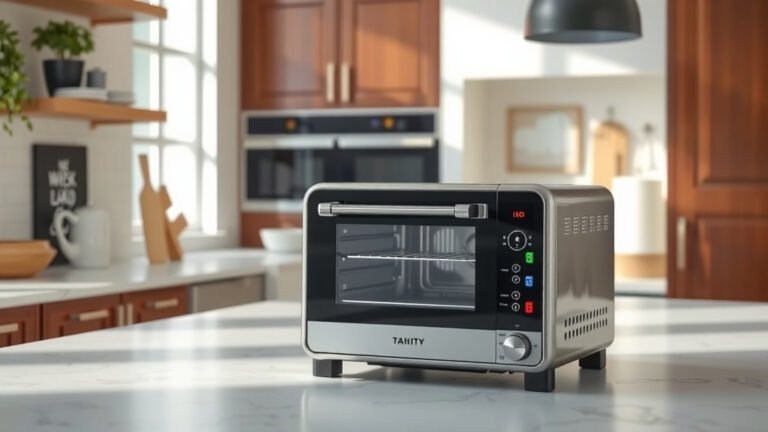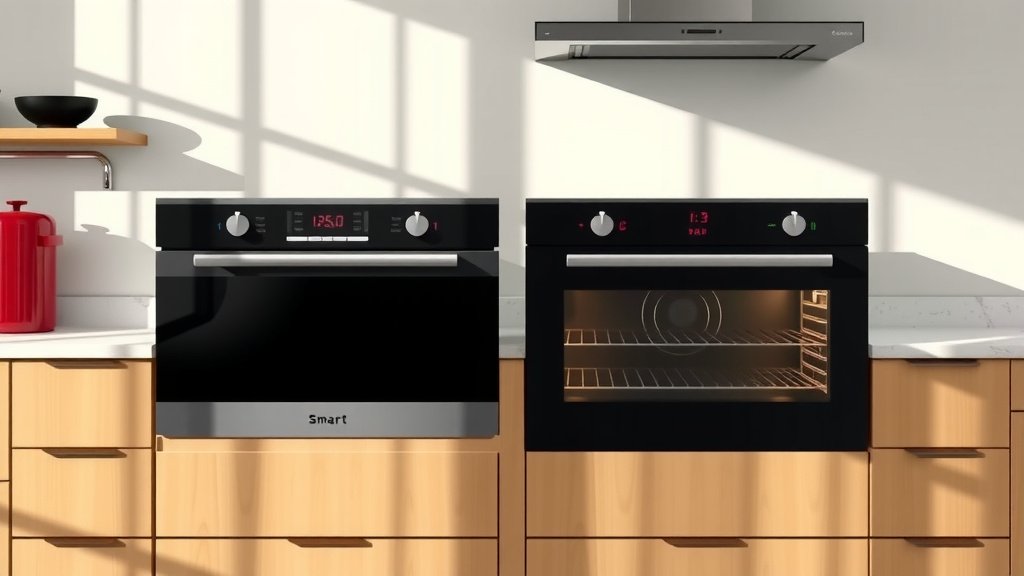
The primary difference between a smart oven and a regular oven lies in their connectivity and intelligence. Smart ovens connect to Wi-Fi, offering remote control and advanced automated cooking functions.
A regular oven operates manually with physical dials or basic digital controls, whereas a smart oven integrates with apps and voice assistants for a more interactive cooking experience.
- A smart oven connects to Wi-Fi, allowing remote operation and monitoring from your phone.
- Regular ovens operate with manual controls, offering straightforward cooking functions without internet features.
- Smart ovens can receive software updates, offering new features and improved performance over time.
- You often get advanced cooking modes, recipe guidance, and voice control with smart models.
- The cost of a smart oven is generally higher due to its integrated technology and added conveniences.
What Is The Difference Smart Oven Vs Regular Oven?
Smart ovens bring kitchen appliances into the connected home, letting you manage your cooking remotely. Regular ovens offer reliable, manual control over your food preparation.
Understanding the Regular Oven
A regular oven is the traditional kitchen workhorse many of us grew up with. You set the temperature using a dial or buttons, and you turn it on or off yourself.
These ovens are dependable and simple to use. They focus on baking, roasting, and broiling without extra frills. It’s about direct heat application for your meals.
Exploring the Smart Oven Landscape
Smart ovens go a step beyond basic heating. They are equipped with Wi-Fi, allowing them to communicate with your smartphone or other smart devices. Think of it as a connected cooking assistant.
These ovens offer features like remote preheating, recipe synchronization, and even self-diagnostics. Many experts say smart ovens aim to make cooking easier and more efficient (Consumer Reports).
Connectivity: The Big Split
The core distinction is connectivity. A regular oven stands alone, operating independently of your home network. It does its job without any internet link.
A smart oven, however, joins your Wi-Fi network. This allows for a world of possibilities, from updating its software to integrating with other smart home systems.
Remote Control and Monitoring
Imagine leaving work and preheating your oven on the drive home. With a smart oven, that’s possible. You can turn it on, adjust settings, or check cooking progress from your phone.
This feature offers a significant convenience, especially for busy individuals. We found that users often feel more in control of their meal prep, even when away from the kitchen.
Voice Command Features
Many smart ovens respond to voice commands through assistants like Alexa or Google Assistant. You can tell your oven to preheat or set a timer hands-free. This can be great when your hands are full.
Research shows voice control adds a layer of safety and convenience, preventing the need to touch greasy buttons (NIH studies often highlight hands-free benefits).
Recipe Integration and Guidance
Some smart ovens can download recipes directly. They might even adjust cooking times and temperatures automatically for certain dishes. It’s like having a digital cookbook built-in.
This integration removes guesswork and helps you achieve better cooking results. You follow the steps, and the oven handles the technical adjustments for you.
Preheating and Cooking Precision
Both oven types aim for precise cooking, but smart ovens often add more layers. Regular ovens heat up based on their element and thermostat, which is reliable.
Smart ovens sometimes use sensors for more even heating or specific zones. Some models can detect food readiness, though this technology is still growing. Many experts say basic oven precision is often sufficient for most needs.
Energy Efficiency Claims
Do smart ovens save energy? Not always directly from being “smart.” Energy efficiency depends more on insulation and heating element design. However, remote control can help.
Forgetting to turn off a regular oven wastes energy. With a smart oven, you can check its status and switch it off from anywhere, potentially saving power (Energy Star guidelines support smart control for efficiency).
The Cost Factor
Here’s where you’ll notice a clear difference in your wallet. Regular ovens are generally much more affordable. They offer essential functionality without the premium technology.
Smart ovens come with a higher price tag. You are paying for the Wi-Fi connectivity, advanced sensors, and software integration. Consider this an investment in convenience and future features.
Installation and Setup
Installing a regular oven usually means plugging it in and perhaps leveling it. It’s a straightforward process for most homeowners. You are ready to cook almost immediately.
A smart oven requires physical installation, plus connecting it to your home Wi-Fi. You’ll also need to download an app and pair your device. This takes a little more time and technical comfort.
Maintenance and Software Updates
Regular ovens need basic cleaning and occasional bulb replacement. Their technology remains static. What you buy is what you get.
Smart ovens, however, receive software updates. These updates can introduce new features, improve performance, or fix bugs. It’s like your smartphone getting better over time.
Security Concerns
Since smart ovens connect to the internet, they can be vulnerable to cyber threats. It’s a small risk, but something to consider for any internet-connected device. Always use strong passwords for your home network.
A regular oven has no such digital security concerns. Its lack of connectivity means it’s inherently safer from online intrusions. This might offer some peace of mind for you.
User Experience: Who Benefits More?
If you love tech and want to streamline your kitchen, a smart oven offers exciting possibilities. It suits those who appreciate automation and integration with other devices.
If you prefer simplicity and a hands-on approach to cooking, a regular oven is likely your best bet. It’s dependable, easy to operate, and gets the job done without digital distractions.
| Feature | Regular Oven | Smart Oven |
|---|---|---|
| Connectivity | None | Wi-Fi Enabled |
| Remote Control | No | Yes (via app) |
| Voice Control | No | Often available |
| Recipe Guidance | Manual | Integrated/Automated |
| Cost | Lower | Higher |
| Software Updates | No | Yes |
| Setup | Simple Plug-in | App + Wi-Fi setup |
Is a Smart Oven Right For Your Kitchen?
Deciding between a smart and regular oven often comes down to your lifestyle and budget. Do you value modern conveniences, or do you prefer proven simplicity? Here’s a quick checklist to help you decide:
- Are you comfortable with connecting appliances to Wi-Fi?
- Do you often wish you could preheat the oven before arriving home?
- Is having voice control in the kitchen appealing to you?
- Are you looking for new features via software updates?
- Is the higher upfront cost within your budget for these features?
- Do you enjoy experimenting with tech to make daily tasks easier?
Conclusion
The choice between a smart oven and a regular oven really depends on your priorities. Regular ovens provide reliable, straightforward cooking without digital distractions. They are a classic choice that works well.
Smart ovens bring a new level of convenience and automation to your kitchen. They offer features like remote control and recipe integration, transforming how you interact with your appliance. Think about your cooking habits and comfort with technology to make the best decision for your home.
Can a smart oven be controlled without Wi-Fi?
Most smart ovens can still be operated manually using their physical controls, even without a Wi-Fi connection. However, you will lose all their “smart” features like remote access or app integration.
Are smart ovens more difficult to clean than regular ovens?
Generally, cleaning difficulty depends more on the oven’s interior finish and self-cleaning features, not whether it’s smart or regular. Many smart and regular ovens offer pyrolytic (self-cleaning) options.
Do smart ovens require a special type of cookware?
No, smart ovens typically do not require any special type of cookware. You can use your existing baking sheets, casserole dishes, and pots just as you would in a regular oven.
What if my home Wi-Fi goes out while using a smart oven?
If your Wi-Fi connection is lost, a smart oven will usually continue its current cooking cycle as programmed. You just won’t be able to change settings or monitor it remotely until the connection is restored.
Are smart ovens more expensive to repair if something breaks?
Smart ovens can sometimes be more expensive to repair due to the added electronic components and specialized software. Finding technicians familiar with these systems might also add to the cost. We found that the repair costs for integrated tech can be higher (Consumer Reports data suggests this).