

The ideal temperature for a home pizza oven is between 750°F and 950°F (400°C to 510°C) for Neapolitan-style pizza. For other styles, like New York or thin-crust, a slightly lower temperature around 500°F to 700°F (260°C to 370°C) works best. This high heat is what gives your pizza that perfect crispy crust and bubbly, leopard-spotted char.
Getting your oven to the right temperature is key for an authentic pizza experience. Too cool, and your crust might be chewy; too hot, and it could burn before the toppings cook. We found that preheating thoroughly is just as important as the target temperature. This ensures your pizza stone or steel is blazing hot, cooking the dough from the bottom up.
- Aim for 750-950°F for Neapolitan pizza.
- Use 500-700°F for other pizza styles.
- Preheating your oven and stone is essential.
- High heat cooks pizzas quickly and evenly.
- Different crusts need different temperatures.
So, how do you hit that sweet spot consistently? Let’s walk through everything you need to know about mastering your home pizza oven’s temperature.
Understanding Optimal Pizza Oven Temperatures
Achieving the perfect pizza at home starts with knowing your oven’s temperature. It’s not just about turning it on. You want that crispy crust and perfectly cooked toppings. We found that the right heat creates a truly authentic pizza experience. Discover more about the best oven setting for pizza to achieve that perfect crispy crust and cooked toppings.
Think of it like baking a cake. You wouldn’t use the same temperature for a delicate soufflé as you would for a dense pound cake. Pizza is similar. Different styles need different heat levels for their best results.
Why Temperature Matters So Much for Pizza
The science behind pizza baking is fascinating. High heat does several important things. It helps the dough rise quickly and creates a beautiful, airy crumb. This rapid cooking also prevents your crust from drying out.
Many experts point out that intense heat creates the Maillard reaction. This is what gives your crust its delicious flavor and golden-brown color (Food Science of Pizza, Cornell University). It’s a chemical dance that transforms sugars and amino acids.
The Role of Conductive Heat
When you place your pizza on a hot stone or steel, you’re using conductive heat. This is heat transferred directly from one surface to another. It cooks the bottom of your crust very fast. This is why a good preheat is non-negotiable.
The Impact of Convective Heat
Convective heat comes from the hot air circulating in your oven. It cooks the top of your pizza and your toppings. This type of heat helps melt cheese and blister the crust edges. Both conductive and convective heat work together for a balanced bake.
Ideal Temperatures for Different Pizza Styles
Different pizza styles evolved in different ovens. This means they thrive at specific temperatures. Knowing these ranges helps you get the best outcome for your favorite pie. Let’s look at what we’ve found works best.
You might be surprised by how much difference 50 or 100 degrees can make. It’s about respecting the tradition of each pizza type. Your home oven can often mimic these conditions closely.
Neapolitan Pizza: The Gold Standard of High Heat
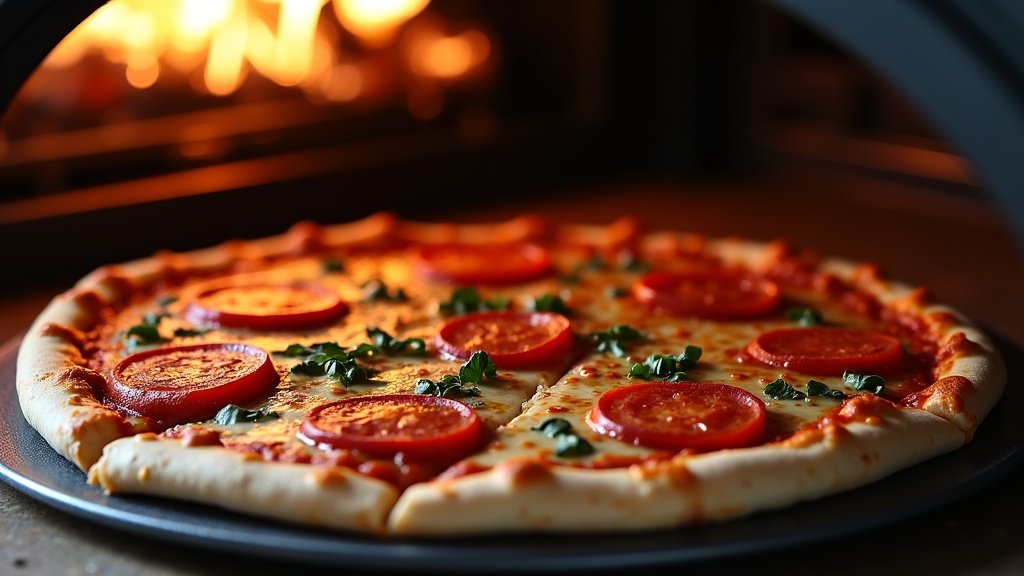
For a true Neapolitan pizza, you need extreme heat. We found that 750°F to 950°F (400°C to 510°C) is the sweet spot. These pizzas cook incredibly fast, often in 60 to 90 seconds. This quick bake creates that signature puffy, leopard-spotted crust.
This style of pizza is known for its soft, chewy center and airy, slightly charred rim. The super-hot oven cooks it so quickly that the toppings don’t dry out. The high heat also creates tiny bubbles in the crust, making it light.
New York Style and Thin Crust: A Slightly Cooler Approach
If you love a classic New York slice or a crisp thin-crust pizza, you’ll need a different temperature. We found that 500°F to 700°F (260°C to 370°C) works wonderfully. This range allows for a slightly longer bake time.
A longer bake helps develop a firmer, crispier crust. It’s less about the super-fast char and more about even cooking. This temperature range also ensures your cheese melts perfectly without burning your toppings.
Deep Dish and Sicilian: Low and Slow (Comparatively)
For thicker pizzas like deep dish or Sicilian, the temperature drops further. These pies need more time in the oven to cook through. We found that 400°F to 500°F (200°C to 260°C) is ideal.
A lower temperature prevents the edges from burning before the center is cooked. These pizzas are all about a thick, bready crust and plenty of toppings. Patience is key when baking these delicious, hefty pies.
| Pizza Style | Ideal Temperature Range | Approx. Cook Time | Crust Characteristics |
|---|---|---|---|
| Neapolitan | 750°F – 950°F (400°C – 510°C) | 60-90 seconds | Puffy, airy, chewy, leopard-spotted |
| New York Style | 500°F – 700°F (260°C – 370°C) | 3-6 minutes | Crispy edge, firm base, foldable |
| Thin Crust | 500°F – 700°F (260°C – 370°C) | 4-8 minutes | Very crisp, cracker-like, firm |
| Deep Dish / Sicilian | 400°F – 500°F (200°C – 260°C) | 15-30 minutes | Thick, bready, tender interior |
Preheating: Your Secret Weapon for Perfect Pizza
We can’t stress this enough: preheating is vital. It’s not just about getting the air in the oven hot. It’s about heating your pizza stone or steel to the core. This foundation of heat cooks your crust from the bottom up. Without it, you’ll get a soggy bottom.
How Long Should You Preheat?
For most home pizza ovens, you’ll want to preheat for at least 30-60 minutes. Some high-power ovens might be ready sooner. But if you’re using a standard kitchen oven with a pizza stone, give it a full hour. We found that this ensures the stone is saturated with heat.
Why so long? Stone and steel absorb and hold heat very well. But it takes time for that heat to penetrate fully. A surface thermometer can help you verify the temperature of your baking surface. This takes the guesswork out of it.
The Importance of a Pizza Stone or Steel
A pizza stone or steel is essential for achieving good results. They mimic the floor of a professional pizza oven. We found that metal pizza steels heat up faster and retain more heat than ceramic stones. They are also less prone to breaking.
Placing your stone or steel on the middle or upper rack usually works best. This ensures it gets direct heat from below and is close to the top heating element. This creates a balanced cooking environment for your pizza.
Troubleshooting Common Temperature Issues
Even with the right temperature settings, you might encounter issues. Don’t worry, it’s part of the learning curve! We’ve all been there. Let’s look at some common problems and how to fix them. If you encounter issues, our guide on why your pizza oven not getting hot enough can help troubleshoot common problems.
Crust Burns Before Toppings Cook
If your crust is burning but your cheese isn’t melted, your oven might be too hot or your pizza is too close to the top element. Try lowering the temperature slightly. You could also move your pizza stone to a lower rack. This increases the distance from the top heat source.
Soggy or Undercooked Crust
A soggy crust is usually a sign that your oven wasn’t hot enough, or your stone wasn’t properly preheated. Make sure you’re preheating for the full recommended time. Also, check your oven’s actual temperature with an oven thermometer. Many home ovens are inaccurate.
Uneven Cooking
Some ovens have hot spots. If one side of your pizza cooks faster, try rotating it halfway through baking. A pizza peel makes this easy. This helps ensure even browning and melting across the entire pie.
Maintaining Consistent Temperature
Opening your oven door frequently lets out a lot of heat. Try to resist peeking! Each time you open it, the temperature drops. This can slow down cooking and lead to a less crispy crust. Trust your preheating and cooking times.
Consider an oven thermometer to verify your internal oven temperature. This can be a game-changer. Many built-in oven thermostats are not perfectly accurate. An external thermometer gives you real-time data.
Your Pizza Oven Temperature Checklist
Use this quick checklist before you start baking. It helps you remember the key steps for perfect temperature control.
- Check Your Recipe: Confirm the ideal temperature for your pizza style.
- Preheat Thoroughly: Allow 30-60 minutes for your stone/steel to get hot.
- Use a Thermometer: Verify actual oven and stone temperatures.
- Place Stone Correctly: Middle or upper rack is usually best.
- Avoid Frequent Peeking: Keep the oven door closed to maintain heat.
- Adjust as Needed: Be ready to slightly alter temp or position based on results.
Conclusion
Mastering your home pizza oven’s temperature truly elevates your pizza game. We’ve found that understanding these heat differences is key to replicating your favorite styles. Whether you crave a quick Neapolitan char or a crisp New York slice, precise temperature control is your best friend. Preheating thoroughly and using a pizza stone or steel makes all the difference.
Now, go forth and experiment with confidence! Your perfect homemade pizza is waiting.
Frequently Asked Questions
What if my home oven can’t reach 750°F for Neapolitan pizza?
Many standard home ovens max out around 500-550°F. While you won’t get a true 60-second Neapolitan bake, you can still make excellent pizza. Focus on styles like New York or thin crust which thrive at these lower temperatures. You can also try using your oven’s broiler for a minute or two at the end to get some top-down char.
Should I use convection bake for pizza?
Convection settings circulate hot air, which can help cook toppings and melt cheese faster. However, it might also dry out your crust more quickly. We recommend starting with regular bake for even heat, especially with a well-preheated stone. If your toppings need a little more browning, you can switch to convection for the last minute or two.
How do I know my pizza stone is hot enough?
The best way is to use an infrared thermometer. Point it directly at the stone’s surface to get an accurate reading. We found this takes the guesswork out of preheating. If you don’t have one, assume it needs at least 45-60 minutes at your target oven temperature to be fully saturated with heat.
Does opening the oven door affect temperature much?
Yes, every time you open the door, a significant amount of heat escapes. This causes the oven’s temperature to drop rapidly. Try to work quickly when launching or removing your pizza. We found that resisting the urge to constantly check your pizza helps maintain more consistent heat.
Can I bake pizza directly on the oven rack without a stone?
You can, but the results won’t be as good. Baking directly on a rack often leads to a soggy or undercooked bottom crust. A pizza stone or steel provides essential conductive heat, mimicking a traditional pizza oven floor. This is why we always recommend using one for optimal results.
