
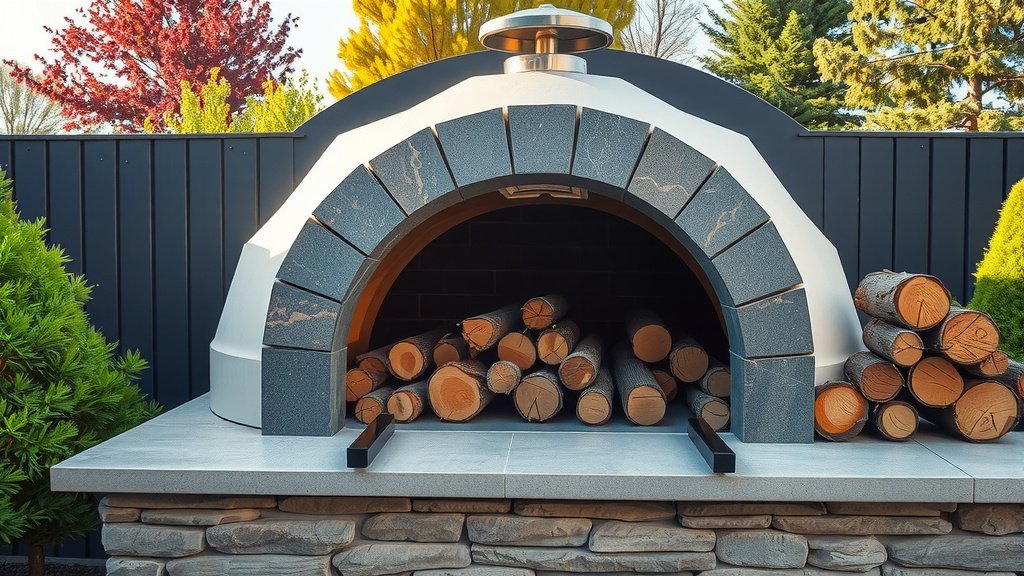
For your pizza oven, the best wood types are dense hardwoods like oak, maple, or ash, as they burn incredibly hot and produce a clean, consistent flame. These woods are perfect for achieving that authentic, crispy pizza crust because they sustain high temperatures without excessive smoke.
You want wood that is well-seasoned (meaning dried for at least 6-12 months) to ensure it ignites easily, burns efficiently, and creates the ideal heat for cooking your delicious pizzas.
- Choose dense hardwoods like oak, maple, or ash for high, steady heat.
- Always use well-seasoned wood for clean burning and optimal flavor.
- Avoid softwoods and treated woods to prevent excessive smoke and harmful chemicals.
- Look for wood with a low moisture content, ideally below 20%.
- Consider fruitwoods like apple or cherry for a subtle, delightful flavor addition.
What Type Of Wood For A Pizza Oven?
The secret to incredible pizza from your oven isn’t just the dough; it’s also about the fuel you choose. We found that the type of wood you burn directly impacts your pizza’s taste, cook time, and overall experience.
Why Hardwoods are King for Pizza Ovens
You might wonder, why all the fuss about hardwood? It’s simple, really. Hardwoods are much denser than softwoods, which means they contain less sap and moisture when properly seasoned.
This density translates into a longer, hotter burn. Many experts say this steady, high heat is exactly what you need to cook a pizza quickly and evenly.
The Science Behind the Sizzle
When you put wood into your pizza oven, you’re not just creating a flame. You’re orchestrating a chemical process! Hardwoods, with their tight grain structure, release energy more slowly and consistently (general principles of wood combustion chemistry).
This steady energy means your oven reaches and maintains the high temperatures crucial for a perfect pizza. Think of it like a marathon runner; you want endurance, not a quick sprint.
Top Wood Choices for Your Pizza Oven
So, which hardwoods should you reach for? We found that certain types stand out for their superior burning characteristics and subtle flavor contributions. Here’s a quick guide to help you pick the best.
| Wood Type | Heat Output | Smoke Level | Flavor Notes |
|---|---|---|---|
| Oak | High, Consistent | Low | Mild, Classic Wood-Fired |
| Maple | High, Clean | Very Low | Slightly Sweet |
| Ash | Good, Steady | Low | Neutral, Clean |
| Cherry | Medium-High | Low | Fruity, Mild Sweet |
| Apple | Medium-High | Low | Sweet, Smoky |
Oak: The Reliable Heat Source
Oak is often considered the gold standard for pizza ovens. It burns for a long time at a high temperature and produces minimal smoke. This means you get a consistently hot oven without overwhelming your pizza with too much smoky flavor.
Maple: A Sweet Burn
Maple is another fantastic choice. It delivers a very clean burn and excellent heat output. Some pizza enthusiasts appreciate the subtle, slightly sweet notes it can impart to the crust.
Ash: Easy to Split, Great Heat
Ash wood is a great option because it’s generally easier to split than some other hardwoods. It provides a good, steady heat and a neutral flavor profile, letting your toppings shine.
Fruitwoods: Adding a Subtle Flavor
Want to experiment with flavor? Fruitwoods are your friend! They still provide good heat but infuse your pizza with a wonderful aroma.
- Apple wood offers a mild, slightly sweet, and fruity smoke that complements many pizza toppings.
- Cherry wood provides a subtle, sweet, and slightly tart flavor. It’s fantastic for a hint of something different.
Remember, the goal is a subtle hint, not an overpowering taste. Think of it as a seasoning for your fire!
Woods to Strictly Avoid (and why!)
Just as there are stars of the show, there are also woods that should never make an appearance in your pizza oven. These can ruin your pizza and even be unsafe.
Softwoods: The Smoky Saboteurs
Woods like pine, fir, or spruce are softwoods. They contain a lot of sap and resin. When burned, they tend to spark a lot, create excessive smoke, and leave behind a sticky residue inside your oven.
That extra smoke often gives your pizza an unpleasant, acrid taste. Plus, those sparks can be a fire hazard, right?
Treated or Painted Wood: A Big No!
This is a critical safety point. Never, ever burn wood that has been painted, stained, or chemically treated. These woods can release toxic fumes and harmful chemicals into your food and the air (Environmental Protection Agency guidelines on burning treated wood).
It’s just not worth the risk to your health or the taste of your pizza. Always use pure, natural wood for cooking.
The Crucial Role of Seasoning Your Wood
Even the best hardwood won’t perform well if it’s not seasoned correctly. This step is as important as choosing the right type of wood!
What Does “Seasoned” Really Mean?
Seasoned wood simply means wood that has been properly dried. Freshly cut wood, often called “green wood,” has a high moisture content. We found that wood with high moisture content burns poorly, creating lots of smoke and very little heat.
You want wood with a moisture content of around 20% or less. This usually requires air-drying for 6 to 12 months, sometimes even longer for very dense woods (forestry best practices).
How to Choose the Right Wood for Your Oven
When you’re out picking your wood, keep this handy checklist in mind. It’ll help you make smart choices every time.
- Check for Cracks: Seasoned wood often has small cracks at the ends.
- Listen for the “Clink”: Two seasoned pieces of wood will make a hollow “clink” sound when knocked together.
- Look for Lightness: Dried wood is much lighter than green wood.
- Smell it: Seasoned wood has a mild, earthy smell, not a strong, sappy scent.
- Confirm the Type: Make sure you’re truly getting a hardwood, not a softwood impostor.
Getting Started: Where to Find Your Pizza Wood
Finding good, seasoned wood for your pizza oven might seem like a mini-adventure. You can often find it from local firewood suppliers, reputable online retailers specializing in cooking wood, or even sometimes from local tree surgeons.
Always ask about the wood’s type and how long it’s been seasoned. A little research now saves a lot of frustration later, right?
Conclusion
Choosing the right wood for your pizza oven is a crucial step toward culinary success. Stick to well-seasoned hardwoods like oak, maple, or ash for their superior heat and clean burn. Avoid softwoods and, most importantly, never use treated or painted wood.
With the right fuel, you’re well on your way to crafting consistently delicious, authentic wood-fired pizzas that will impress everyone. Happy cooking!
What size should wood be for a pizza oven?
For most home pizza ovens, wood pieces about 10-12 inches long and 1-2 inches in diameter work best. This size allows for good airflow, quick ignition, and manageable feeding into the oven, maintaining a consistent high flame.
Can I use fruit tree wood in a pizza oven?
Yes, fruit tree woods like apple, cherry, or pear are excellent for pizza ovens. They are hardwoods that burn well and can add a subtle, sweet, and aromatic flavor to your pizza, enhancing the overall taste experience.
How do I know if my wood is seasoned enough?
Seasoned wood typically has visible cracks at the ends, a grayish appearance, and makes a distinct “clink” sound when two pieces are knocked together. It will also feel noticeably lighter than freshly cut “green” wood and have a moisture content below 20%, which you can check with a wood moisture meter.
Is it okay to mix different types of hardwood in a pizza oven?
Absolutely! Mixing hardwoods is common and can even be beneficial. For instance, you might use oak for its sustained heat and then add a few pieces of cherry for its aromatic qualities, creating a balanced burn and flavor profile.
What’s the ideal moisture content for pizza oven wood?
The ideal moisture content for wood used in a pizza oven is generally between 15% and 20%. This range ensures efficient burning, high heat output, minimal smoke, and prevents your oven from cooling down too quickly due to evaporating water.
