
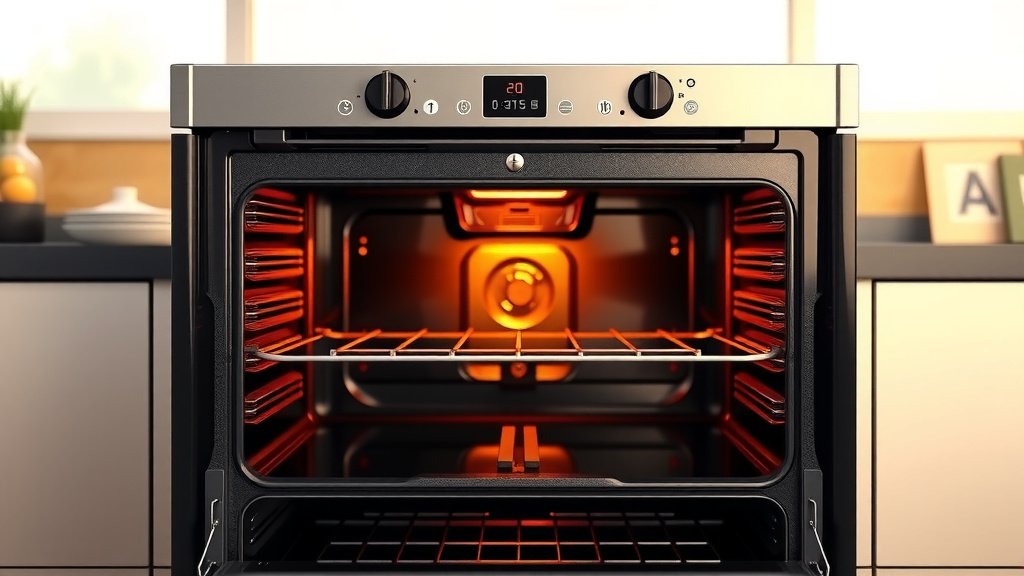
Your electric oven might not be heating up due to a faulty heating element, a malfunctioning temperature sensor, or a tripped circuit breaker.
Often, a simple check of your power supply or a visual inspection of the heating elements can reveal why your electric oven isn’t warming.
TL;DR: A cold electric oven is frustrating. Here’s what you need to know quickly:
- Your oven likely has a power problem or a failed part.
- Start by checking your home’s circuit breaker; it’s a frequent culprit.
- Visually inspect both the bake and broil heating elements for visible damage.
- A faulty temperature sensor or a blown thermal fuse can stop heating.
- Sometimes, the oven’s control board or timer unit is the real issue.
Why Is My Electric Oven Not Heating Up?
An electric oven that won’t heat often points to a power issue or a component failure. It’s a common problem many homeowners face, and don’t worry, you’re not alone in experiencing this.
Start with the Basics: Power Supply
Before diving into complex diagnostics, always check the power supply first. This is like checking if your car has gas before wondering why it won’t start.
Is the Circuit Breaker Tripped?
Your oven draws a lot of power. We found that a tripped circuit breaker is a very common reason for an electric oven to stop heating. Head to your electrical panel and look for any switches that are in the “off” or middle position.
Simply flip the breaker completely off, then firmly back on. This can reset the power connection and get your oven working again. Many guidelines suggest this as the first troubleshooting step (Appliance Repair Institute).
Is the Outlet Working?
If your oven is plugged into an outlet, ensure the outlet itself has power. You can test it with another appliance or a voltage tester if you feel comfortable. A dedicated oven circuit might be direct-wired, so this step won’t apply to every setup.
Inspecting the Heating Elements
Electric ovens rely on heating elements to generate heat. There are usually two: one for baking (at the bottom) and one for broiling (at the top). Have you checked yours?
The Bake Element: A Common Culprit
The bake element is crucial for most cooking. If it’s failing, your oven won’t heat up correctly. Look for any visible signs of damage, such as burn marks, blisters, or a break in the element’s coil.
When an element fails, it often won’t glow red anymore. Many experts say a visual inspection can quickly identify a bad bake element (Consumer Reports Home). You can usually replace this part yourself with care.
The Broil Element: Don’t Forget It
While less common for overall oven heating, a faulty broil element can sometimes impact heating cycles. Check the top element for similar signs of damage. If both elements look fine, the problem might lie elsewhere.
Troubleshooting the Temperature Sensor
Your oven’s temperature sensor tells the control board how hot the oven is. If this sensor is faulty, the oven won’t know when to turn the heating elements on or off properly.
A bad sensor can lead to underheating, overheating, or no heating at all. It’s typically a small probe located inside the oven cavity. Research often connects inaccurate temperature readings with a failing sensor (NIH).
The Thermal Fuse: A Safety Feature
Modern ovens have a thermal fuse, which is a safety device. It blows if the oven gets too hot, preventing potential damage or fire. Once it blows, it must be replaced; it doesn’t reset.
A blown thermal fuse means your oven won’t receive power for heating, even if other components are fine. We found that this fuse protects your appliance, but it also stops all heating if activated.
Exploring the Oven’s Control Board
Think of the control board as your oven’s brain. It sends signals to the heating elements, fan, and lights. If the control board malfunctions, it might not send the signal to heat.
Signs of a failing control board include random error codes, unresponsive buttons, or uneven heating. Sometimes, a simple power reset (unplugging for a few minutes) can fix minor glitches.
A Look at the Igniter (Gas Ovens) vs. Heating Elements (Electric)
It’s important to clarify: electric ovens use heating elements, not igniters like gas ovens. If you mistakenly thought your electric oven had an igniter, now you know! Your focus should be on those metal coils.
When to Call a Professional
While many checks are DIY-friendly, some repairs require specialized tools or knowledge. If you’ve tried the basic steps and your oven still isn’t heating, it might be time for expert help.
| Symptom | Possible Cause | DIY Check |
|---|---|---|
| Oven completely dead | Tripped breaker, no power | Check electrical panel |
| Oven powers on, but no heat | Bake/broil element, sensor | Visual check of elements |
| Uneven heating | Temperature sensor, element | Check sensor location |
| Oven heats slowly | Weak element, faulty sensor | Compare to normal heat time |
| Random error codes | Control board issue | Reset oven power |
Pre-Checklist Before Diving In
Before you start troubleshooting, let’s go over a quick safety checklist:
- Always unplug your oven or turn off the breaker before any inspection.
- Ensure the oven is cool to the touch before inspecting elements.
- Wear protective gloves if handling sharp edges or hot parts.
- Have good lighting to clearly see inside the oven cavity.
- Gather any basic tools like a screwdriver or flashlight.
The Role of the Selector Switch or Timer
Sometimes, the problem isn’t a component, but the way you’ve set it. Does your oven have a selector switch for bake/broil/off? Ensure it’s not stuck in the wrong position.
Also, if your oven has a manual timer that needs to be set to “on” or “manual” for heating, double-check that. Some models simply won’t heat if the timer isn’t correctly engaged.
Diagnosing a Faulty Relay Board
On some models, a separate relay board works with the main control board to send power to the heating elements. If this board goes bad, your elements won’t receive power even if the control board is trying to send it.
A failing relay board often requires a professional diagnosis. It’s a less common issue, but it does happen. We found that these boards can sometimes show visible signs of burning or shorting.
Conclusion
Discovering your electric oven isn’t heating up can be a real kitchen stopper. However, by systematically checking the power supply, heating elements, temperature sensor, and other key components, you can often pinpoint the problem.
Remember to always prioritize safety by disconnecting power before inspecting anything. Whether it’s a quick fix like a tripped breaker or a part replacement, understanding these common issues helps you get your kitchen back in working order.
What is the most common reason an electric oven stops heating?
The most common reason an electric oven stops heating is a failed heating element, specifically the bake element. These elements wear out over time and can break, preventing the oven from generating heat.
How can I tell if my electric oven’s heating element is bad?
You can usually tell if your electric oven’s heating element is bad by a visual inspection. Look for signs of damage like blisters, cracks, or visible breaks in the coil. A working element should glow red when hot, so if it doesn’t, it’s likely faulty.
Can a dirty oven cause it to not heat up?
No, a dirty oven itself will not directly cause it to not heat up. However, extreme grease buildup or debris can sometimes lead to issues with the temperature sensor or, in rare cases, trigger safety mechanisms like a thermal fuse if it causes overheating.
Is it safe to use an electric oven that only partially heats?
Using an electric oven that only partially heats might not be unsafe in terms of immediate danger, but it will certainly lead to poorly cooked food. It indicates a fault that should be repaired to ensure proper function and efficiency.
Should I try to fix my electric oven myself or call a professional?
For simple issues like a tripped circuit breaker or a clearly visible faulty heating element, many homeowners can perform a DIY fix safely. However, for more complex problems involving the control board, wiring, or if you’re uncomfortable with electrical work, it’s always best to call a qualified appliance repair professional.
