
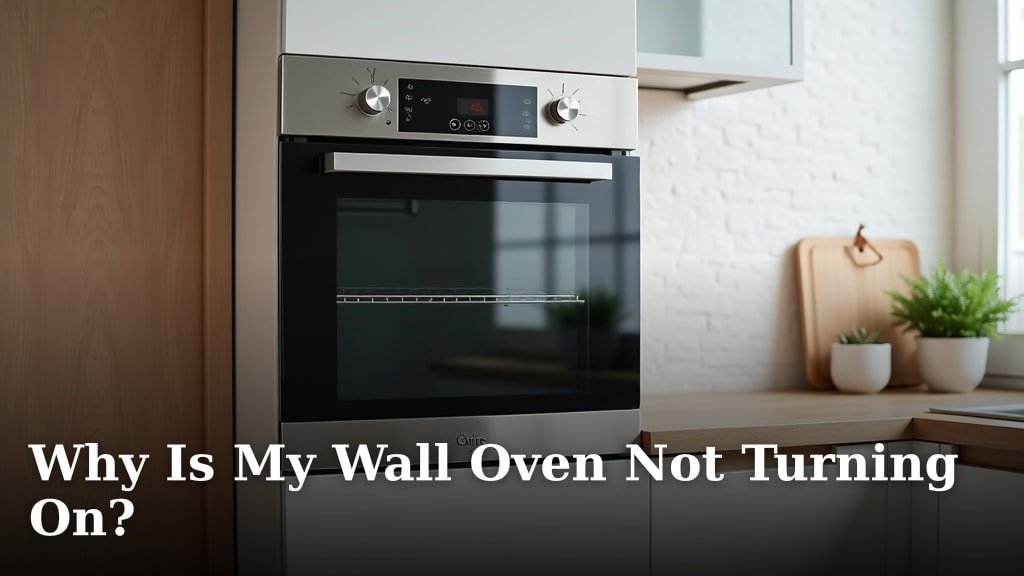
Your wall oven not turning on can be a real bummer, especially when you’re ready to cook. This usually happens due to a tripped circuit breaker, a faulty door latch switch, or a problem with the control board. We found these are the most common culprits when your oven suddenly goes dark.
It’s frustrating when an appliance stops working without warning. Before you panic, know that there are several simple checks you can do yourself. Understanding these common issues can save you time and money on repair calls. Many homeowners report success by checking the power supply first.
- Check your home’s circuit breaker box.
- Ensure the oven door is fully closed.
- Look for any error codes on the display.
- Consider a faulty thermal fuse.
We’ve put together a quick guide to help you figure out why your wall oven is refusing to heat up. Let’s walk through some easy troubleshooting steps together.
Troubleshooting a Wall Oven That Won’t Turn On
It’s incredibly frustrating when your wall oven decides to take a break. You might be mid-recipe, ready to bake cookies, or planning a big family dinner. Suddenly, the display is dark, and nothing happens. Don’t worry, this is a common issue. We’ve found that most of the time, it’s something you can fix yourself with a few simple checks. Let’s figure out what’s going on with your oven.
Checking the Power Supply: The First Line of Defense
The most common reason your wall oven won’t turn on is a simple power issue. Think of it like your phone not charging – sometimes, it’s just a bad connection or a tripped breaker. Before you call for professional help, let’s make sure your oven is getting the power it needs. A simple power issue is the most common reason your wall oven won’t turn on.
Your Home’s Circuit Breakers: The Mighty Reset Button
Your oven uses a lot of power, so it’s typically on its own dedicated circuit. This circuit is protected by a circuit breaker in your home’s electrical panel. Sometimes, this breaker can get tripped, meaning it has shut off automatically to protect your wiring from an overload. This is often the first and easiest thing to check.
Locate your main electrical panel, usually found in a basement, garage, or utility closet. Look for a row of switches. You’re searching for one that’s in the “off” position or is in a middle position between “on” and “off.” Sometimes, tripped breakers look just like the ones that are on, so you might need to gently push them fully to the “off” position before flipping them back to “on.” This process is straightforward and can often restore power instantly.
What to Do if the Breaker Keeps Tripping
If you reset the breaker and it immediately trips again, this is a sign of a more serious electrical problem. It could mean there’s a short circuit within the oven’s wiring or even in the power cord itself. In this situation, it’s best to leave the breaker off and call a qualified appliance technician or electrician. Continuing to reset a breaker that keeps tripping can be a fire hazard.
Is the Oven Door Latched Properly?
This might sound too simple, but many modern wall ovens have safety features that prevent them from operating if the door isn’t fully closed and latched. This is especially true for self-cleaning ovens, which need a secure seal to reach high temperatures safely. You might hear a click when the door is properly engaged.
Sometimes, a piece of food debris or a slight misalignment can prevent the door from latching correctly. Try opening the oven door all the way and then closing it firmly. You should feel it click into place. If your oven has a digital display, check if it shows any error messages related to the door latch. A faulty door latch switch can also be the culprit if the oven thinks the door is open when it’s actually closed. We found this is a common issue, especially on older models.
Checking the Oven’s Control Board and Display
The control board is the “brain” of your oven. If it’s not receiving power or has malfunctioned, your oven won’t turn on. If you’ve checked the breaker and the door latch and still have a dark display, the control board might be the issue.
Error Codes: A Hidden Message
Many wall ovens have a digital display that shows error codes when something is wrong. If your oven’s display is completely blank, it’s likely a power issue. However, if there’s a faint light or an error message showing, consult your oven’s user manual. The manual will explain what each code means and suggest troubleshooting steps. Sometimes, a simple power cycle (turning off the breaker for a few minutes and then back on) can reset a glitchy control board.
What if the Display is Off?
If the display is completely dark, and you’ve confirmed power is reaching the oven via the breaker, it could indicate a blown fuse within the oven itself or a failure of the control board. Many ovens have internal fuses that protect the electronic components. If these blow, the oven will lose all power to its controls. Replacing these fuses requires some technical skill, and it’s often best left to a professional. They can also diagnose if the entire control board needs to be replaced, which is a more significant repair. We’ve seen many cases where a faulty control board is the reason for a completely unresponsive oven.
Exploring Other Potential Culprits
Beyond power and control issues, a few other components can cause your wall oven to refuse to power up. These are less common than a tripped breaker, but still worth considering.
The Thermal Fuse: An Overheating Safety Net
The thermal fuse is another safety device. Its job is to blow and cut off power if the oven overheats beyond a safe temperature. If the thermal fuse has blown, your oven will not turn on at all, even if the breaker is fine and the control board is working.
Replacing a thermal fuse usually requires disassembling part of the oven’s control panel. If you’re comfortable with basic electrical work, you might be able to find and replace it yourself. However, it’s crucial to ensure you’re using the exact replacement part recommended by the manufacturer. Many appliance repair services find that a blown thermal fuse is often a symptom of another issue, like a malfunctioning thermostat or fan, so it’s wise to have the oven inspected thoroughly.
Wiring and Connection Issues
Loose or damaged wiring is another possibility. Over time, vibrations or heat can cause electrical connections to loosen. If a wire becomes disconnected from the control board, a heating element, or the power supply, it can cause the oven to stop working.
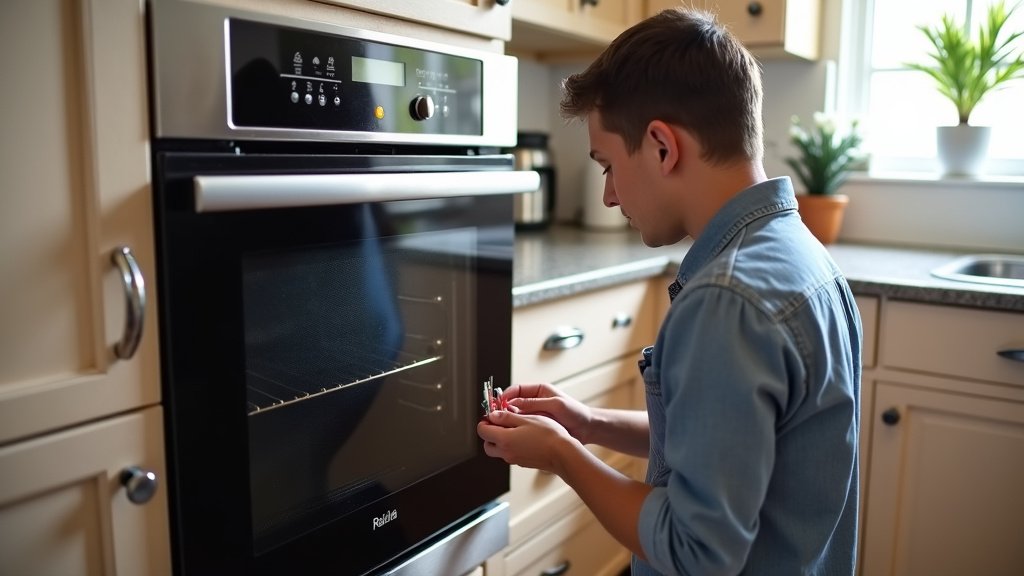
Visually inspecting wiring requires caution, as you’ll need to ensure the power is completely off at the breaker. You might need to remove access panels on your oven to see the internal wiring. Look for any wires that appear burnt, frayed, or disconnected. If you see any damaged wiring, it’s a clear sign that a professional repair is needed. An improper connection can lead to If you see any damaged wiring, it’s a clear sign that a professional repair is needed.electrical shorts and potential fire hazards.
Quick Checklist: What to Try Next
Feeling overwhelmed? Don’t be! Here’s a quick rundown of what you can check yourself before calling in the cavalry:
- Check the Circuit Breaker: Ensure it’s not tripped.
- Close the Oven Door Firmly: Make sure it latches properly.
- Look for Error Codes: Consult your manual if any appear on the display.
- Power Cycle: Turn off the breaker for 5-10 minutes, then turn it back on.
- Inspect the Outlet (if applicable): If your oven plugs into an outlet, ensure it’s secure and undamaged.
- Test Other Appliances: See if other outlets on the same circuit are working to confirm power is flowing.
Conclusion
It’s definitely frustrating when your wall oven won’t turn on, but you’ve learned today that many common issues are fixable. We’ve covered the most frequent culprits, starting with simple checks like your home’s circuit breaker and ensuring the oven door is properly latched. We also looked at potential problems with the control board and internal fuses. Before you schedule an expensive repair service, try going through the troubleshooting steps we outlined. If you’ve checked the breaker and the door, and your oven still remains unresponsive, it might be time to contact a qualified technician.
Frequently Asked Questions
My oven display is completely blank. What does this mean?
A blank display usually points to a power issue. Your first step should be to check your home’s circuit breaker box. If the breaker for the oven is tripped, resetting it might solve the problem. If it trips again immediately, call an electrician.
Can a simple power cycle fix my oven?
Yes, a power cycle can often help. This involves turning off the circuit breaker that powers your oven for about 5 to 10 minutes. This brief interruption can reset the oven’s control board if it’s experiencing a minor glitch. Then, turn the breaker back on and see if your oven powers up.
What if my oven door is closed, but the oven thinks it’s open?
This could indicate a faulty door latch switch. This switch signals to the oven’s system whether the door is securely closed. If the switch is malfunctioning, the oven won’t operate. You might need to have this component checked and potentially replaced by a technician.
How do I know if my oven’s thermal fuse has blown?
If your oven completely refuses to turn on, and you’ve confirmed that the circuit breaker is fine and the door is latched, a blown thermal fuse is a possibility. This safety device cuts power if the oven overheats. Replacing it usually requires some disassembly, so if you’re not comfortable with that, it’s best to call a professional.
What’s the safest way to check internal oven wiring?
Always ensure the oven is completely unplugged or the corresponding circuit breaker is turned OFF before attempting any internal inspection. Look for any wires that appear burnt, frayed, or disconnected. If you discover any damaged wiring, do not attempt to fix it yourself. Contact a qualified appliance repair technician immediately, as this can be a fire hazard.
