
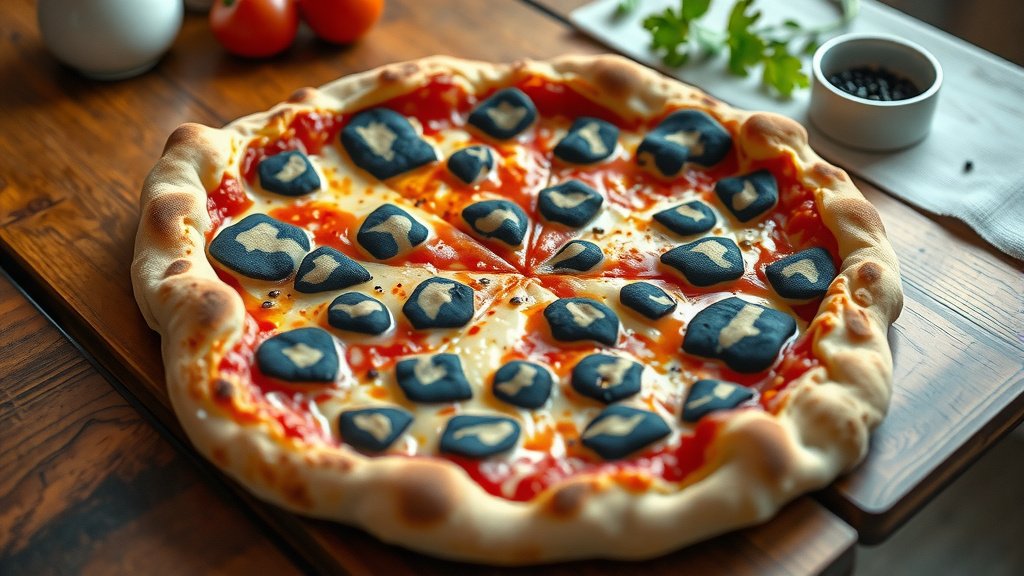
Leopard spots on pizza crust are those delightful, slightly charred dark blisters that indicate a perfectly cooked pizza, often achieved in a very hot oven. To get leopard spots on your pizza crust, you need incredibly high oven temperatures, proper dough hydration, and a cooking surface that retains heat well.
Making pizza with beautiful leopard spots is a true craft, and it signals a great crust. Imagine the crispy texture and the slightly smoky flavor. It’s not just about looks; those spots mean a better-tasting pizza for you and your guests.
- Achieve leopard spots by using very high oven temperatures, ideally 750-900°F.
- Ensure your dough has proper hydration levels, typically 60-70%, and undergoes cold fermentation.
- Utilize a pizza stone or steel that is thoroughly preheated for consistent, intense heat transfer.
- Stretch your dough thin and launch your pizza quickly into the hot oven to promote rapid cooking.
- Monitor and rotate your pizza during its short cook time to ensure even spotting and prevent burning.
How To Get Leopard Spots On Pizza Crust?
Leopard spots on pizza crust appear when you cook your pizza at very high temperatures, creating small, perfectly charred blisters that add flavor and texture. It is a sign of a perfectly cooked, authentic Neapolitan-style pizza.
Why Do We Want Leopard Spots Anyway?
You might wonder, why chase these spots? Well, they are more than just pretty. Those dark blisters add a wonderful smoky flavor and a desirable crisp-chewy texture to your crust. It is a sign of a truly well-made pizza, showing mastery over heat and dough.
The Science Behind the Spots
At its heart, getting leopard spots is all about chemistry, specifically the Maillard reaction. This reaction occurs when amino acids and reducing sugars react at high temperatures, creating those complex flavors and colors. We found that intense, quick heat is the main catalyst here, cooking the crust rapidly before it dries out completely.
The Role of Your Oven Temperature
This is probably the most critical factor. To get true leopard spots, your oven needs to be incredibly hot. We are talking temperatures in the range of 750-900°F (400-480°C). Many experts say that anything below 650°F (340°C) makes achieving these spots very difficult. Think about a blistering hot environment.
Why Stone or Steel Matters
A high temperature alone is not enough. You also need a cooking surface that can transfer that intense heat directly to the bottom of your pizza. This is where a preheated pizza stone or steel comes in. These surfaces have excellent heat retention properties, providing the thermal shock needed for that instant crust puff and spotting.
Dough: Your Foundation for Flavor and Spots
Even with the perfect oven, your dough is half the battle. A good dough recipe and proper preparation are fundamental. You want a dough that is both strong enough to handle stretching and moist enough to react well to the heat. Consider your dough the canvas for culinary art.
The Perfect Hydration Level
Hydration refers to the amount of water in your dough. For optimal leopard spots, aim for a hydration level between 60% and 70%. Dough with higher hydration tends to blister more easily when exposed to intense heat, creating those coveted spots. It helps the crust cook quickly and evenly without drying out.
Cold Fermentation: The Secret Sauce
Allowing your dough to ferment slowly in the refrigerator for 24-72 hours does wonders. Cold fermentation develops deeper flavors and strengthens the gluten structure. This process results in a dough that is easier to handle and more resilient under high heat, promoting better spotting.
Type of Flour for the Best Dough
Many professional pizzaiolos swear by “00” flour, especially for Neapolitan-style pizzas. This finely milled flour has a lower protein content but produces a very elastic dough. However, a good quality bread flour with a protein content of 12-14% can also yield fantastic results, offering a chewier crust texture.
Shaping Your Pizza: Thin is In
Once your dough is ready, proper shaping is key. You want to stretch your dough thin, particularly in the center, while leaving a slightly thicker rim for the crust. This helps ensure even cooking and allows the rim to puff up and char beautifully. Avoid using a rolling pin; use your hands to gently stretch the dough.
Preheating: Patience is Key
Do not rush this step. Place your pizza stone or steel in the oven and preheat for at least an hour, or even 90 minutes, at its highest setting. This gives the stone or steel ample time to absorb and retain maximum heat. We found that a fully saturated surface is crucial for that immediate heat transfer.
Launching Your Pizza: A Quick Move
A swift, confident launch is essential. Lightly flour your pizza peel with semolina or fine cornmeal to prevent sticking. Build your pizza quickly, then slide it into the screaming hot oven in one smooth motion. Hesitation can lead to a deformed pizza or ingredients falling off. Think of it like a quick, graceful dance move.
The Cooking Process: Keep an Eye On It
Pizza cooked at these high temperatures cooks very fast, often in 60-180 seconds. You will need to watch it closely. As the crust starts to puff and brown, use your peel to rotate the pizza every 30-45 seconds. This ensures even cooking and promotes spotting on all sides. It is a fast and furious cooking session.
Watch for the Bubble and Char
As your pizza cooks, you will see bubbles forming on the crust, and soon after, those dark spots will begin to appear. These are signs that the intense heat is doing its job. Do not be afraid of a little char; that is where the flavor lives. A few darker spots are a badge of honor for your pizza.
Troubleshooting Common Leopard Spot Issues
Sometimes things do not go perfectly, and that is okay. Here is a quick guide to common problems and what to do.
| Issue | Possible Cause | Solution |
|---|---|---|
| No spots, just pale crust | Oven not hot enough, dough too thick | Increase oven temperature, stretch dough thinner, preheat longer |
| Crust burns before spotting | Too high a temperature for dough, or dough too thin | Slightly reduce temperature, check dough thickness, rotate more frequently |
| Uneven spotting | Uneven heat distribution in oven, not rotating pizza | Preheat longer, rotate pizza more often during cooking |
| Soggy center, burnt crust | Too many toppings, oven not hot enough from below | Reduce toppings, ensure stone/steel is fully preheated |
Too Much Charring, Not Enough Spots?
If your crust is burning but not developing distinct leopard spots, your oven might be too hot or your dough too thin in some areas. Try reducing the temperature by 50°F or stretching your dough a little more evenly. Also, make sure to rotate your pizza often.
No Spots at All?
This usually means your oven is not hot enough, or your stone/steel did not preheat long enough. Double-check your oven settings and give it extra time to come to temperature. Also, consider if your dough is too thick; a thicker crust takes longer to cook, potentially drying out before spots form. Remember, heat is your friend.
Checklist for Perfect Leopard Spots
- Preheat your oven and stone/steel to maximum temperature for at least 60-90 minutes.
- Use dough with 60-70% hydration and a long, cold fermentation.
- Stretch your dough thin and evenly, leaving a slightly thicker rim.
- Dust your pizza peel with semolina for a smooth, quick launch.
- Launch your pizza swiftly and confidently onto the hot stone/steel.
- Rotate the pizza every 30-45 seconds for even cooking and spotting.
Conclusion
Achieving those beautiful leopard spots on your pizza crust truly transforms your homemade pizza from good to outstanding. It is a delightful blend of science, patience, and practice. Focus on mastering high temperatures, perfecting your dough, and developing a keen eye during the quick cooking process. With these tips, you are well on your way to creating pizzas that will impress everyone at your table. Happy baking!
How hot does my oven need to be for leopard spots?
Your oven needs to be incredibly hot, ideally between 750-900°F (400-480°C). For standard home ovens, set it to its highest possible temperature, often around 500-550°F (260-290°C), and ensure your pizza stone or steel is thoroughly preheated for at least an hour.
Can I get leopard spots in a home oven?
Yes, you absolutely can get leopard spots in a home oven, though they may not be as pronounced as those from a professional pizza oven. The key is to use your oven’s highest temperature setting, use a pizza stone or steel that is preheated for a long time, and position it on the top rack for maximum heat exposure.
What kind of flour is best for spotted crust?
Many pizzaiolos recommend “00” flour, especially for Neapolitan-style pizzas, because it creates a very elastic dough that blisters well. However, a good quality high-protein bread flour (around 12-14% protein) can also yield fantastic results, contributing to a strong, chewy crust that develops great spots.
How long should I cook a pizza to get leopard spots?
When cooking at very high temperatures, a pizza with leopard spots will cook very quickly, typically within 60 to 180 seconds (1 to 3 minutes). In a home oven at maximum heat, it might take 5-8 minutes. The exact time depends on your oven’s power and the thickness of your crust and toppings.
Does the type of cheese affect leopard spots?
The type of cheese itself does not directly affect the formation of leopard spots on the crust. Leopard spots are a characteristic of the dough’s reaction to high heat. However, some cheeses, like fresh mozzarella, can release moisture, which might slightly cool the crust underneath, but this has minimal impact on the spots on the rim.
