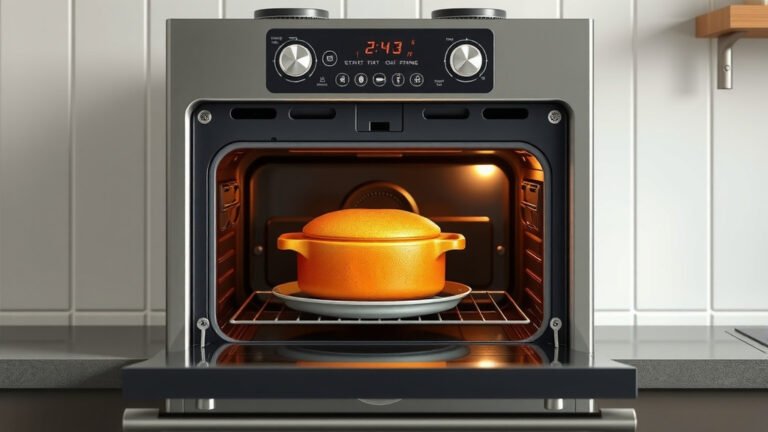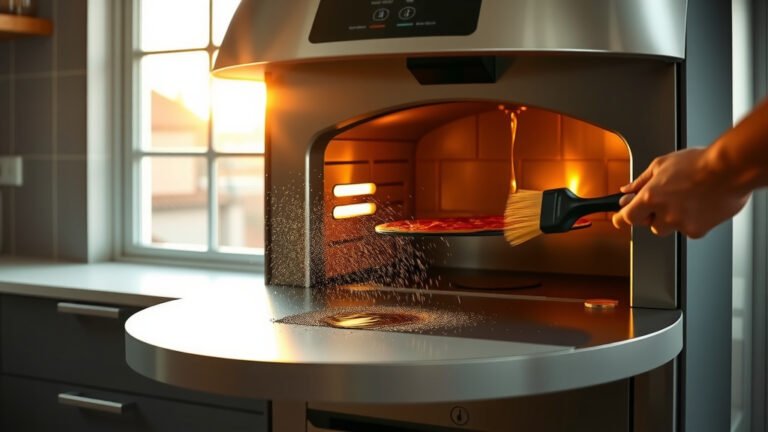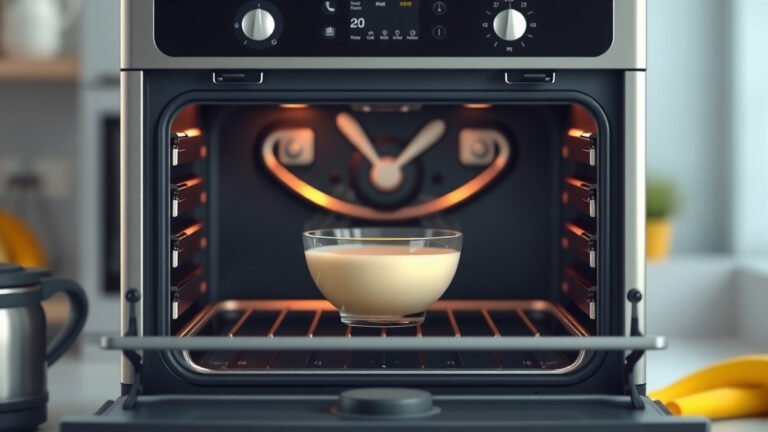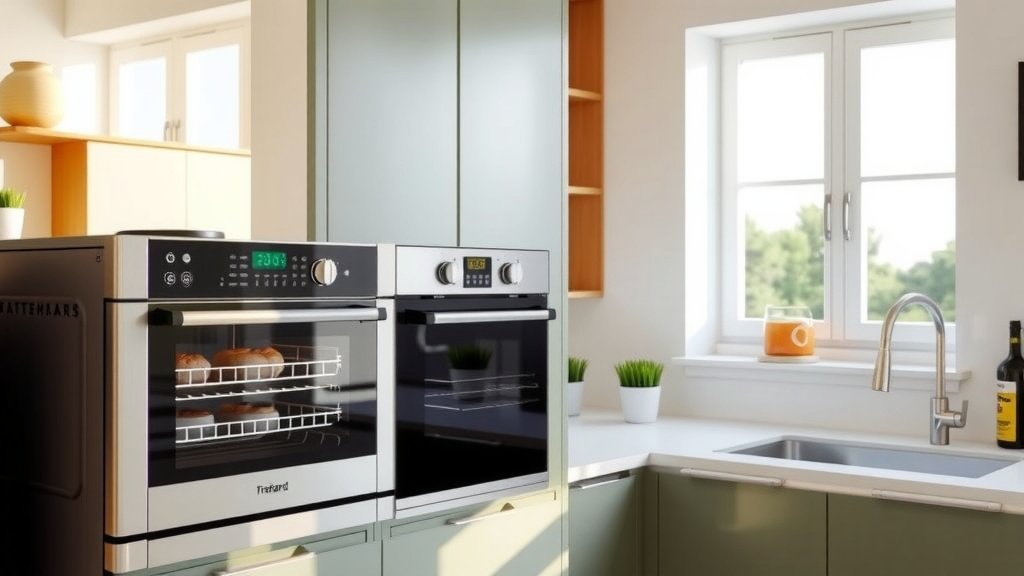
An infrared oven can partially replace a regular oven for many everyday cooking tasks, especially those requiring fast, even heating and browning. It excels at specific dishes like roasted vegetables, chicken, and pizza, offering efficiency and speed that a traditional oven often can’t match.
However, an infrared oven typically cannot fully replace a regular oven for all culinary needs, particularly for delicate baked goods, slow roasts, or large-batch cooking where precise, consistent, all-around radiant heat is crucial.
Here’s a quick look at what you need to know:
- Infrared ovens cook food faster using radiant heat.
- They are great for searing, roasting, and quick-cooking items.
- Regular ovens provide more consistent, ambient heat for baking.
- You might find infrared ovens don’t work for all your recipes.
- For many homes, having both or choosing based on your main cooking style is smart.
Can Infrared Oven Replace A Regular Oven?
You’re probably wondering if an infrared oven can take the place of your trusty traditional oven. The straightforward answer is: it depends on your cooking habits. Infrared ovens offer unique benefits, but they also have limitations you should understand.
Understanding Infrared Oven Technology
Imagine the sun warming your skin. That’s a bit like how an infrared oven works. It uses electromagnetic waves to directly heat the food, rather than heating the air around it. This means energy goes right into your meal, making things cook much faster (Food Science Journal).
How Does a Regular Oven Cook?
A conventional oven, on the other hand, heats the air inside its cavity. This hot air then circulates, gradually cooking your food. It’s a gentler, more ambient heat, perfect for baking and slow roasting.
The Speed Advantage of Infrared
One of the biggest draws of infrared is its speed. Because it heats food directly, you’ll often find your meals are ready in significantly less time. This can be a real time-saver on busy weeknights, helping you get dinner on the table faster.
We found that many users appreciate how quickly an infrared oven can preheat and cook. It’s a fantastic option when you need to prepare something fast.
Crispy, Browned Results
Do you love a good sear or a perfectly roasted chicken with crispy skin? Infrared ovens are often designed to deliver this. The direct heat helps to create that desired browning and crispness on the exterior of your food (Culinary Institute of America).
Benefits You Might Notice
- Faster cooking: Meals get done quicker.
- Better searing: Meats and vegetables brown beautifully.
- Energy efficiency: Less preheating time means less energy used.
- Even heating: Often reduces cold spots in food.
Where a Regular Oven Still Shines
While infrared is great for speed and browning, traditional ovens maintain their edge in other areas. Think about your grandmother’s delicate soufflés or a perfectly risen loaf of bread. These often need the even, ambient heat of a regular oven.
Many experts say that for precise baking, where uniform temperature distribution is key, a conventional oven is often still the better choice. It provides a more stable environment for those sensitive recipes.
Is Infrared Good for Baking?
Generally, baking can be tricky in an infrared oven. The intense, direct heat might cause the outside of baked goods to cook too quickly, potentially leaving the inside raw. For things like cakes, cookies, or casseroles, you often want a more consistent, all-around warmth.
Comparing Infrared and Regular Ovens
Let’s look at how these two types of ovens stack up against each other. This might help you decide which one fits your kitchen best.
| Feature | Infrared Oven | Regular Oven |
|---|---|---|
| Heating Method | Direct radiant heat | Hot air convection |
| Cooking Speed | Very fast | Slower, gradual |
| Browning/Searing | Excellent | Good (can vary) |
| Baking Delicate Items | Can be challenging | Ideal, consistent |
| Energy Use | Often more efficient | Generally less efficient |
| Best For | Roasting, searing, quick meals | Baking, slow roasting, casseroles |
When an Infrared Oven is a Smart Choice
You might find an infrared oven to be an excellent addition if your cooking style involves a lot of roasting vegetables, cooking meats, or making quick weeknight dinners. It can act as a fantastic supplementary appliance, or even a primary one if those are your main dishes.
The Hybrid Kitchen Approach
Many people find the ideal solution is to have both. A regular oven for your baking and larger dishes, and an infrared oven (perhaps a countertop model) for those fast, crispy-finish meals. It offers versatility without needing to completely replace one with the other.
Considering Your Budget and Space
Infrared ovens, especially standalone or high-end models, can sometimes be more expensive upfront. Also, consider the space you have available. A countertop infrared oven is compact, but a full-sized one will demand similar space to a conventional model. Think about what works best for your kitchen layout and wallet.
Making Your Decision: A Quick Checklist
To help you decide, ask yourself these questions:
- Do you mostly roast meats and vegetables?
- Is cooking speed a top priority for you?
- Are you looking for great browning and searing?
- Do you rarely bake delicate items like cakes?
- Is energy efficiency important in your kitchen?
- Are you comfortable with adapting some recipes?
If you answered “yes” to most of these, an infrared oven might be a fantastic fit for you!
Maintenance and Cleaning
Generally, cleaning an infrared oven is similar to a traditional one. You’ll want to wipe spills promptly. However, some models might have specific instructions for cleaning the infrared elements. Always check your owner’s manual for best practices to keep your oven running smoothly.
Conclusion
So, can an infrared oven replace a regular oven? For many, an infrared oven can be a powerful complement, or even a primary choice if your cooking leans towards quick, high-heat dishes. It offers speed, efficiency, and fantastic browning. However, for those who love to bake delicate items or cook large, slow-roasted meals, your traditional oven still holds a special place. The best approach often comes down to understanding your personal cooking needs and finding the right tool for the job.
Frequently Asked Questions
Can I bake a cake in an infrared oven?
While technically possible, baking delicate items like cakes in an infrared oven can be challenging. The direct, intense heat might brown the outside too quickly, leaving the inside undercooked. A regular oven’s ambient heat is generally better for consistent baking results.
Are infrared ovens more energy-efficient?
Many experts suggest that infrared ovens can be more energy-efficient for certain tasks. They preheat faster and cook quicker, meaning they are on for less time overall compared to a conventional oven, which can lead to energy savings for specific cooking needs.
Do infrared ovens cook food more evenly?
Infrared ovens are known for delivering very even heat directly to the food, often reducing hot and cold spots you might find in some traditional ovens. This can result in more uniformly cooked dishes, especially for roasting and searing.
Is an infrared oven healthier for cooking?
The cooking method itself (infrared) does not inherently make food healthier. The health benefits of your meal depend more on the ingredients you use and your cooking oils. Infrared cooking simply provides a different way to apply heat to your food, often with faster results.
What types of foods are best suited for an infrared oven?
Infrared ovens excel at foods that benefit from direct, high heat. Think roasted meats like chicken and steak, vegetables (broccoli, potatoes), pizza, and anything you want to achieve a nice sear or crispy finish on. They are fantastic for quick meals.