
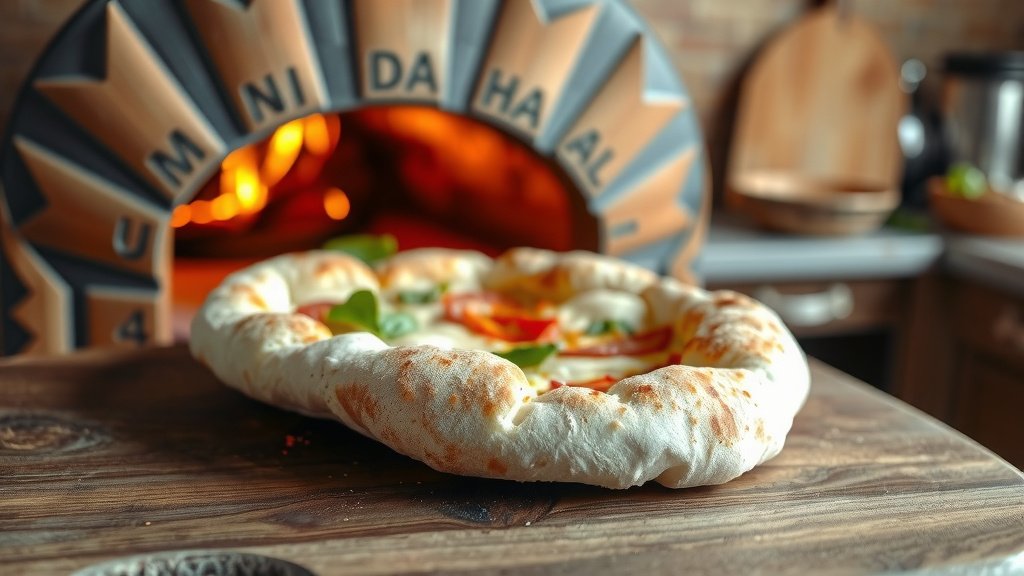
To make flatbread in a pizza oven, aim for very high temperatures, typically between 650°F and 850°F, cooking each flatbread for just 60-90 seconds until it puffs up and browns beautifully.
You will need a simple dough, a well-preheated oven, and quick hand movements to achieve that perfect crispy exterior and soft, chewy interior.
- Making flatbread in a pizza oven is surprisingly simple and fast.
- The key is a hot oven, usually 650-850°F, to cook dough quickly.
- Prepare a simple, well-hydrated dough for the best results.
- Roll your flatbread thin and cook it for about 60-90 seconds.
- The high heat creates a wonderful texture, both crispy and chewy.
How To Make Flatbread In A Pizza Oven?
Making flatbread in your pizza oven is a fantastic idea because the extreme heat cooks them incredibly fast, giving you a delicious, rustic result in minutes.
You will find this method creates a texture hard to achieve with a conventional oven, offering a unique crispness and chew.
Why Your Pizza Oven Excels at Flatbread
A pizza oven is designed to reach very high temperatures, which is ideal for baking flatbreads quickly. This intense heat causes the dough to puff up almost instantly.
The rapid cooking prevents the flatbread from drying out, leaving you with a soft inside and a lovely, slightly charred exterior.
The Science of High Heat
We found that the intense radiant heat from a pizza oven cooks the flatbread from all sides simultaneously. This rapid heat transfer is what gives it that signature puff and soft texture (Food Science & Nutrition Research).
This quick cook time locks in moisture, ensuring your flatbread isn’t stiff or brittle.
Gathering Your Flatbread Ingredients
You don’t need many fancy items to make great flatbread. Start with basic pantry staples you probably already have at home.
A simple dough recipe works best, letting the high heat do most of the work for you.
The Essential Dough Recipe
For a basic flatbread, you will need flour, water, yeast, salt, and a touch of olive oil. Some people like a pinch of sugar to help activate the yeast.
Many experts say a high-hydration dough, around 65-70% water to flour, creates the softest flatbreads (Cook’s Illustrated).
- 2 cups (250g) all-purpose flour
- 1 teaspoon (5g) active dry yeast
- 1 teaspoon (6g) salt
- 3/4 cup (180ml) warm water (around 105-115°F)
- 1 tablespoon (15ml) olive oil, plus more for coating
Preparing Your Dough for Success
Mixing your dough properly is the first step to a wonderful flatbread. Don’t rush this part; it sets the foundation for your final product.
Allowing the dough to rest and rise is just as important as the initial mixing.
Mixing and Kneading Basics
Combine your dry ingredients first, then slowly add the warm water and olive oil. Mix until a shaggy dough forms, then turn it out onto a lightly floured surface.
Knead for about 5-7 minutes until the dough becomes smooth and elastic, feeling soft to the touch.
The Crucial Rise Time
Place your kneaded dough in an oiled bowl, cover it, and let it rise in a warm place until it doubles in size. This usually takes about 60-90 minutes, depending on your room temperature.
This rising period allows the yeast to work, developing flavor and a light texture.
Mastering Your Pizza Oven Heat
Getting your pizza oven to the right temperature is non-negotiable for great flatbread. It’s the most significant factor in how your flatbread will cook.
Don’t just guess; use an infrared thermometer to check the cooking surface temperature accurately.
Target Temperatures for Flatbread
We found that for most flatbreads, you want your oven floor to be between 650°F and 850°F. This high heat ensures a quick, dramatic puff.
If your oven is too cool, the flatbread will dry out before it fully cooks, becoming brittle instead of tender.
Maintaining Consistent Heat
Keep a small, steady fire going in your oven to maintain consistent heat throughout your cooking session. This prevents temperature drops between batches.
Many people find it helpful to push coals to one side, creating a hot zone and a slightly cooler area if needed.
Shaping Your Flatbread Like a Pro
Thin and even is the name of the game when shaping flatbread. You want a uniform thickness for consistent cooking.
Practice makes perfect, so don’t worry if your first few aren’t perfectly round.
Rolling Techniques for Thinness
Divide your dough into small, equal portions, about the size of a golf ball. Lightly flour your work surface and your rolling pin.
Roll each piece into a thin, even circle or oval, aiming for about 1/8 to 1/4 inch thickness. Avoid making them too thick.
Here’s a quick shaping checklist:
- Dust your surface lightly with flour.
- Take a small dough ball.
- Press gently to flatten it slightly.
- Roll from the center outwards, turning the dough often.
- Aim for even thickness across the whole piece.
- Keep them around 6-8 inches in diameter.
Cooking Your Flatbread Quickly
Cooking flatbread in a pizza oven is a fast process, often taking less than two minutes. Stay vigilant and watch your flatbread closely.
The magic happens quickly, so be ready to rotate and remove them when they are done.
The Rapid Cook Time
Slide your shaped flatbread onto a lightly floured or semolina-dusted pizza peel. Carefully launch it into the hottest part of your oven.
Cook for 30-45 seconds, then use your peel to rotate it for even cooking. Continue cooking for another 30-45 seconds, or until golden brown and puffy.
Signs of a Perfect Flatbread
Your flatbread is ready when it has puffed up significantly, with beautiful brown spots and slight charring around the edges. It should feel light and airy.
Avoid overcooking, or it will become crisp and lose its desirable chewiness.
Troubleshooting Common Flatbread Issues
Even with the best intentions, you might run into a few challenges. Don’t worry; most issues have simple solutions.
Understanding what went wrong helps you adjust for your next batch.
| Problem | Possible Cause | Solution |
|---|---|---|
| Flatbread doesn’t puff | Oven not hot enough; dough too thick | Increase oven temperature; roll dough thinner |
| Flatbread burns quickly | Oven too hot; cooked too long | Reduce temperature slightly; cook for less time |
| Flatbread is too tough/dry | Dough not hydrated enough; overcooked | Add more water to dough; cook for less time |
| Flatbread sticks to peel | Not enough flour/semolina on peel | Use more flour/semolina on your pizza peel |
Serving Your Delicious Flatbread
Once your flatbread is cooked, serve it warm. It’s incredibly versatile and pairs well with many dishes.
You can enjoy it plain, with dips, or as a side to a main meal.
Great Pairings and Toppings
Flatbreads are wonderful with hummus, baba ghanoush, or a simple olive oil dip. You can also brush them with garlic butter or sprinkle with herbs after cooking.
Consider using them as a base for a quick, personal pizza or a wrap for grilled meats and vegetables.
Conclusion
Making flatbread in a pizza oven is a rewarding experience that brings out incredible flavors and textures. By focusing on a good dough, correct oven temperatures, and quick cooking times, you can achieve professional-quality results right in your backyard.
Don’t be afraid to experiment with different flours or seasonings to find your perfect flatbread. Enjoy the process and the delicious outcome!
How hot should my pizza oven be for flatbread?
Your pizza oven should ideally be between 650°F and 850°F (345°C – 450°C) for making flatbread. This high heat ensures quick cooking and a beautiful puff, preventing the flatbread from becoming dry.
Can I use store-bought dough for flatbread in a pizza oven?
Yes, you can absolutely use store-bought pizza dough for flatbreads. Just make sure to let it come to room temperature and perhaps allow it a final short rise before rolling it out thinly.
How long does it take to cook flatbread in a pizza oven?
Flatbread typically cooks very quickly in a hot pizza oven, often taking only 60 to 90 seconds per piece. The exact time depends on your oven’s temperature and the thickness of your dough.
My flatbread is not puffing up. What am I doing wrong?
If your flatbread isn’t puffing, your oven might not be hot enough, or your dough might be rolled too thick. Ensure your oven floor is at the target temperature and roll your dough to about 1/8 to 1/4 inch thickness.
What is the best flour for flatbread?
All-purpose flour works very well for flatbread, providing a good balance of chewiness and tenderness. Some people enjoy using a blend with a small amount of whole wheat flour for added flavor and texture (Many bakers suggest this).
