
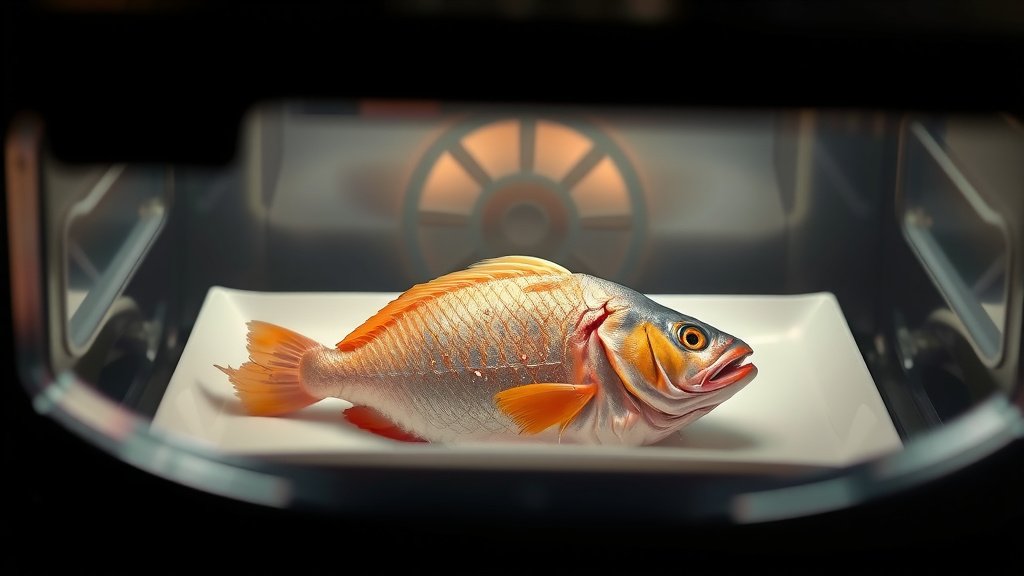
To cook a whole fish in an infrared oven, preheat the oven to 400-450°F (200-230°C) and place your well-seasoned fish on a rack or baking sheet, cooking for 10-15 minutes per inch of thickness until the internal temperature reaches 145°F (63°C).
Ensure the fish is scaled, gutted, and patted dry before seasoning liberally inside and out for the best results in your infrared oven.
- Get your infrared oven hot, around 400-450°F, before the fish goes in.
- Clean and season your whole fish well; patting it dry helps get crispy skin.
- Cook about 10-15 minutes per inch of fish thickness, flipping halfway if desired.
- Use a thermometer to check for 145°F in the thickest part to confirm doneness.
- Let your perfectly cooked fish rest for a few minutes before serving to keep it juicy.
How To Cook Whole Fish In Infrared Oven?
Cooking whole fish in an infrared oven means a quicker cook and often a beautiful crispy skin. You’ll want to aim for a high heat setting, typically between 400-450°F (200-230°C).
The key steps involve proper preparation, precise temperature, and watchful timing, ensuring a juicy interior and a delightful exterior. It’s simpler than you might think!
Why Choose an Infrared Oven for Whole Fish?
An infrared oven uses radiant heat to cook food quickly and evenly. Think of it like the sun warming your skin; the heat directly penetrates the fish, not just the air around it.
This direct heat is why your fish can get that sought-after crispy skin without drying out the inside. It’s a speedy and efficient method, especially for delicate whole fish.
Understanding Infrared Heat
Infrared heat works differently from a conventional oven. A traditional oven heats the air, which then cooks your food.
Infrared, however, uses electromagnetic waves that directly warm the food itself. This means faster cooking times and often a better sear on the outside (many experts agree on this).
Picking the Perfect Whole Fish
Selecting the right fish is the first step to a delicious meal. Always look for fish with clear, bright eyes and firm, shiny skin.
The gills should be red, and it shouldn’t have a strong, “fishy” odor, rather a clean, ocean-like smell (we found this to be a reliable indicator).
Ideal Fish for Infrared Cooking
Fish with a good fat content and thicker bodies often stand up best to infrared heat. Think about options like whole snapper, branzino, or even trout.
These types tend to stay moist inside while developing a fantastic crust. Smaller, delicate fish can also work, but watch them closely for doneness.
Essential Prep for a Flawless Fish
Proper preparation makes a big difference. First, ensure your fish is scaled and gutted.
Then, pat it very dry with paper towels; moisture can hinder that crispy skin you’re aiming for. Dry fish browns better, plain and simple.
- Scale and Gut: If your fishmonger hasn’t done it, carefully remove scales and internal organs.
- Rinse Thoroughly: Rinse the fish inside and out under cold running water.
- Pat Dry, Seriously Dry: Use paper towels to remove all surface moisture. This step is key for crispiness.
- Score the Skin: Make a few diagonal slits across the thickest part of the fish. This helps heat penetrate and prevents the skin from tearing.
- Season Generously: Rub with olive oil, salt, pepper, and any herbs or spices you like. Don’t forget the cavity!
Setting Up Your Infrared Oven
Preheat your infrared oven to a high temperature, around 400-450°F (200-230°C). Give it time to fully warm up.
Place your prepared fish on a wire rack set over a baking sheet. This setup allows air to circulate around the fish, promoting even cooking and crisping.
Temperature and Timing: The Golden Rules
Cooking times will vary based on the thickness of your fish. A general rule is 10-15 minutes per inch of thickness at the thickest part.
Remember, whole fish cooks faster than fillets due to the bones helping to conduct heat. It’s a natural advantage!
| Fish Thickness | Approximate Temperature | Approximate Cooking Time |
|---|---|---|
| 1 inch | 400-425°F (200-220°C) | 10-15 minutes |
| 1.5 inches | 425-450°F (220-230°C) | 15-20 minutes |
| 2 inches | 450°F (230°C) | 20-25 minutes |
Preventing Dryness and Achieving Crispy Skin
To keep the fish moist, you can stuff the cavity with lemon slices, fresh herbs, or garlic. This adds flavor and some moisture from the inside.
For the skin, make sure it’s patted dry and lightly brushed with olive oil. The high, direct heat from the infrared oven will work wonders for developing a lovely crispiness.
How to Know When Your Fish is Ready
Undercooked fish isn’t good, but neither is overcooked. You’re looking for the flesh to be opaque and flake easily with a fork.
The skin should be golden brown and crispy. A tiny bit of translucency near the bone is okay if you prefer it slightly rare (many chefs do), but generally, aim for fully opaque.
Using a Meat Thermometer
The most reliable way to check for doneness is with an instant-read meat thermometer. Insert it into the thickest part of the fish, avoiding the bone.
The fish is done when it reaches an internal temperature of 145°F (63°C) (USDA guidelines). This ensures it’s safe and perfectly cooked.
Resting Your Cooked Fish
Just like with meat, letting your fish rest after cooking is important. This allows the juices to redistribute throughout the flesh.
Tent it loosely with foil for about 5-10 minutes. This short rest ensures every bite is as juicy and flavorful as possible.
Common Mistakes to Avoid
Cooking with infrared is a bit different, and avoiding a few pitfalls helps a lot. Nobody wants a less-than-perfect fish, right?
A little awareness goes a long way towards a perfectly cooked whole fish.
- Forgetting to Preheat: Always let the oven get to temperature before placing the fish inside.
- Not Drying the Fish: A moist surface prevents crispy skin. Pat it down!
- Overcrowding the Oven: Give your fish space for proper heat circulation.
- Skipping the Thermometer: Guessing doneness can lead to overcooked or undercooked results.
- Not Resting the Fish: Resting keeps the fish juicy and tender after cooking.
Conclusion
Cooking a whole fish in an infrared oven can be a truly rewarding experience, delivering a perfectly cooked meal with minimal fuss. By focusing on proper preparation, precise temperatures, and knowing how to check for doneness, you’re well on your way to success.
Remember to select fresh fish, season it well, and always allow it to rest after cooking. Enjoy the simple pleasure of a beautifully cooked whole fish!
Can I cook any type of whole fish in an infrared oven?
Most whole fish types can be cooked in an infrared oven, but those with thicker bodies or higher fat content, like snapper, branzino, or salmon, often yield the best results. Their structure helps them stay moist under the intense radiant heat.
How do I prevent the fish from sticking to the oven rack?
To prevent sticking, make sure to oil your oven rack or baking sheet well before placing the fish on it. You can also use parchment paper or aluminum foil (lightly oiled) to create a non-stick surface, which also helps with cleanup.
Should I flip the whole fish during infrared cooking?
Flipping a whole fish during infrared cooking is optional. If your oven has elements mostly on top, flipping halfway through can promote more even cooking and crispiness on both sides. If the heat is distributed well, a single side cook might be sufficient.
What are some good seasonings for whole fish in an infrared oven?
Simple seasonings work best for whole fish. Consider olive oil, salt, freshly ground black pepper, lemon slices, and fresh herbs like dill, parsley, or rosemary. You can also add garlic cloves or onion slices to the cavity for extra flavor infusion.
Can I use an infrared oven for frozen whole fish?
It’s generally not recommended to cook a whole frozen fish directly in an infrared oven without thawing. Thawing ensures even cooking and helps prevent the outside from cooking too quickly while the inside remains frozen. Always thaw your fish in the refrigerator overnight for best results.
