How to Make Bread Scoring Designs with a Lame
Bread lame designs start with a sharp blade, a shallow angle, and a steady slash on a proofed loaf. Keep cuts about 1/4 inch deep, score just before baking, and pick patterns that fit your loaf shape.
On this page (13 sections)
- What is a bread lame and why does it matter for designs?
- Which bread lame designs suit a round sourdough boule?
- How do you make a classic ear with a lame?
- What scoring designs work best on oval and batard loaves?
- How do you cut a wheat stalk design?
- How do you set blade angle and depth for clean patterns?
- When should you score, and how does proofing affect designs?
- What prep tools help you plan bread lame designs?
- Where can you find recipes that pair well with scored loaves?
- What are common mistakes with bread lame designs?
- How do you clean and store a lame and blades?
- Why do some bread lame designs fail in an oven?
- How can you practice bread lame designs without wasting dough?
Bread lame designs start with a sharp blade, a shallow angle, and a steady slash on a proofed loaf. Keep cuts about 1/4 inch deep, score just before baking, and pick patterns that fit your loaf shape.
You do not need a new tool for every pattern. The same lame can make a classic ear, a wheat stalk, a leaf, or a simple braid.
What changes is the path, the depth, and the angle of the blade.
What is a bread lame and why does it matter for designs?
A bread lame is a handle with a very thin, sharp blade for scoring dough. It makes a clean cut that opens in the oven to show your planned pattern.
A dull blade drags and tears, leaving ragged edges that close up. A fresh blade glides, so the design stays clear as the loaf expands.
If you are new to scoring, learn how to use a bread scoring lame before trying fancy patterns. Grip, angle, and pressure come first.
Which bread lame designs suit a round sourdough boule?
A round boule suits one curved slash, a cross, or a small leaf near the center. These shapes follow the round form and avoid crowding the edges.
A single curved slash is the safest start. Hold the blade almost flat and sweep in one pass so it opens into an ear as the loaf bakes.
A cross needs two short cuts meeting in the middle.
A leaf needs a center line plus two shorter angled side cuts, since cuts to the edge can split on springing. For sourdough loaves, best bread lame for sourdough picks help find a comfortable handle.
How do you make a classic ear with a lame?
A classic ear comes from a shallow, angled cut along one side of the loaf. Hold the blade at about 30 degrees to the surface, not straight down.
Cut from about one third of the way across the loaf in a gentle curve. Keep the blade moving and let the sharp edge do the work, as pressing down hard pushes the dough aside.
Keep the cut about 1/4 inch deep, as deeper cuts can tear soft dough. Our guide to best bread lame blades explains why fresh, thin blades leave cleaner lines.
What scoring designs work best on oval and batard loaves?
Oval loaves suit diagonal slashes, a wheat stalk, or a simple braid down the center. Long shapes give your hand room to move.
Three to five diagonal slashes are a classic choice. Space them evenly at the same angle, so the loaf looks neat even if one cut is not perfect.
A wheat stalk builds from a center line with short angled cuts branching off it. Keep branch cuts short and paired.
A braid can be made with two shallow lines that cross in the middle, and if your loaf is very soft, chill it briefly before scoring.
How do you cut a wheat stalk design?
A wheat stalk starts with one center line, then short pairs of angled cuts along that line. Keep every cut shallow and even.
Cut the center line in one smooth pass without stopping in the middle, as a pause can create a bump. Then add cuts that angle up toward the top of the loaf.
Each pair should mirror the one below it, as one longer side makes the stalk look uneven. Short, tidy pairs look better than long cuts that reach the edge.
How do you set blade angle and depth for clean patterns?
Use a low angle for ears and a more upright angle for straight slashes. The blade should slice, not push.
For a flat ear, keep the blade nearly parallel to the loaf. For diagonal slashes, raise it a little more, and for a center line, hold it closer to upright while still moving at an angle.
Keep depth light at about 1/4 inch for most designs. Swap to a fresh blade when cuts start to tear and read why is a bread lame curved to learn how the curve helps keep your hand clear.
How do you keep your hand steady while scoring?
Keep your wrist loose and move from the shoulder, not from the fingertips. Short, confident strokes beat slow, careful pushes.
Rest your guiding hand lightly on the work surface or pan, away from the blade path. Breathe out as you cut, and commit to one line instead of correcting mid cut.
When should you score, and how does proofing affect designs?
Score after proofing and right before baking. At that point the dough holds a line but still springs in the oven.
Underproofed dough feels tight and resists the blade, so the cut may close or tear. Overproofed dough feels slack and can deflate when scored.
Poke the dough lightly as a test. It should spring back slowly and leave a small dent.
Fast springback means more proof time, while no springback means bake right away.
Cut the center line first, then the side marks, and work fast once you start. Drying or warming can make the blade catch.
What prep tools help you plan bread lame designs?
Good prep tools help you measure water, mix dough, and plan timing before you score. That planning keeps the scoring step calm.
A stand mixer helps with stiff doughs and larger batches, because it kneads while you focus on the next steps. It suits bakers who make sourdough often and want steady dough texture.
The KitchenAid Artisan is a 5-quart tilt-head stand mixer with a stainless steel bowl and 10 speeds. The tilt head gives better access to the bowl when you add flour or check the dough.
KitchenAid says the bowl can mix up to 9 dozen cookies in a single batch using the flat beater, with 28g dough pieces. That size also suits bread batches that need a strong knead.
It weighs 11 kg and measures 9.3 by 14.3 by 14 in, so plan counter space before you buy. It comes in Almond Cream and includes a pouring shield.
KitchenAid backs it with a 1 year hassle free replacement warranty. Skip it if counter space is tight or if you mostly bake small loaves by hand.
How does an angled measuring cup help with dough prep?
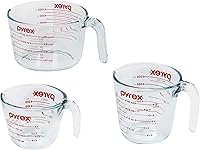
An angled measuring cup helps when you need to check water or milk levels without bending down. Clear readings mean steadier dough hydration.
The OXO Good Grips Angled Measuring Cup holds 2 cups and has standard and metric markings. Its patented angled surface lets you read measurements from above.
OXO says the design removes the need to fill, check, and adjust. The soft non slip handle helps when your hands are wet.
It is BPA free and top rack dishwasher safe. It weighs 0.12 kg and measures 7.09 by 4.41 by 4.02 in, so it stores easily in a drawer.
Skip it if you only measure dry ingredients.
Where can you find recipes that pair well with scored loaves?
A cookbook helps when you want full meals around your bread, not just the loaf itself. It can guide fillings, soups, and sides.
Skinnytaste One and Done is a 304 page cookbook by Gina Homolka, published October 9, 2018 by Clarkson Potter. It has 140 recipes for an Instant Pot, slow cooker, air fryer, sheet pan, skillet, Dutch oven, and more.
The recipes are healthy, flavor forward, and low on calories and cleanup, organized by vessel to match the gear you own. It includes 120 full color photos and nutritional information for every recipe.
The book weighs 2.75 pounds and measures 8.27 by 1.05 by 10.27 in. Skip it if you want baking only, as its focus is one vessel dinners.
What are common mistakes with bread lame designs?
Most mistakes come from a dull blade, too much pressure, or poor proofing. Fix those three and most patterns improve at once.
Too much pressure dents the dough and pushes it aside, so the blade tears instead of cutting. Light pressure and a fresh blade solve this in most cases.
Wrong timing causes flat designs, as early scoring lets the cut seal during proofing and late scoring leaves a dry or slack surface. Fewer cuts often look cleaner, so keep designs simple until angle and depth feel steady.
How do you clean and store a lame and blades?
Rinse the handle, dry the blade, and store blades where they cannot dull or cut you. Clean tools keep cuts smooth.
Wash the handle with warm water and mild soap, then dry it fully. Dry the blade right away too, because water spots can lead to rust on some blades.
Store the lame in a guard, a case, or a drawer slot that protects the edge. Replace blades often, as a blade that drags or snags is ready to go.
Why do some bread lame designs fail in an oven?
Designs fail when the dough cannot spring, the oven lacks steam, or the cut was too shallow. Each cause leaves a different sign.
Underproofed dough has a tight surface that seals the cut, so the pattern may vanish or crack in odd places. Give the dough more proof time next time.
Too little steam can make the crust set before the cut opens. A Dutch oven or covered pan helps trap steam for the first part of baking.
A shallow cut may close as the crust forms, so try a slightly deeper cut next time. For single wall oven baking, How To Make Bread In A Single Wall Oven? covers rack and heat choices.
For small loaves, How To Make Bread In Microwave Oven? explains limits and safe options. A best embossed rolling pin adds pattern to flat dough, but scored bread gets its pattern from oven spring and a clean cut.
How can you practice bread lame designs without wasting dough?
Practice on small, low stakes loaves with simple patterns and fresh blades. Each try teaches angle and depth.
Use half size dough or leftover dough from a larger batch. Small loaves proof faster and they cost less if a cut goes wrong.
Try one design per loaf. A single slash loaf, a cross loaf, and a wheat stalk loaf will teach more than one crowded loaf.
Take a photo before baking and after. Photos show depth and angle problems you may miss in the moment.
Keep notes on blade angle, depth, and proof time.
Frequently asked questions
What are the easiest bread lame designs for beginners?
A single center slash, three diagonal slashes, or a shallow cross are the easiest bread lame designs to start with. Hold the blade at a low angle, cut about 1/4 inch deep, and keep your hand moving in one smooth pass so the dough does not drag.
How deep should a bread lame cut be?
Aim for about 1/4 inch deep for most designs, and a little deeper for a wide open ear on a sourdough boule. Too shallow and the cut seals shut, while too deep can tear the surface and let the loaf spread too fast in the oven.
When should you score bread with a lame?
Score after proofing and just before baking, when the surface is dry enough to hold a line but still soft. If the dough feels sticky, a light dusting of flour or a quick chill can help the blade glide instead of catching.
Why does my scored design close up in the oven?
Designs close up when the blade is dull, the cut is too shallow, or the dough is underproofed and tight. Use a fresh blade, cut with light pressure, and check proofing so the surface has a little give before you score.