
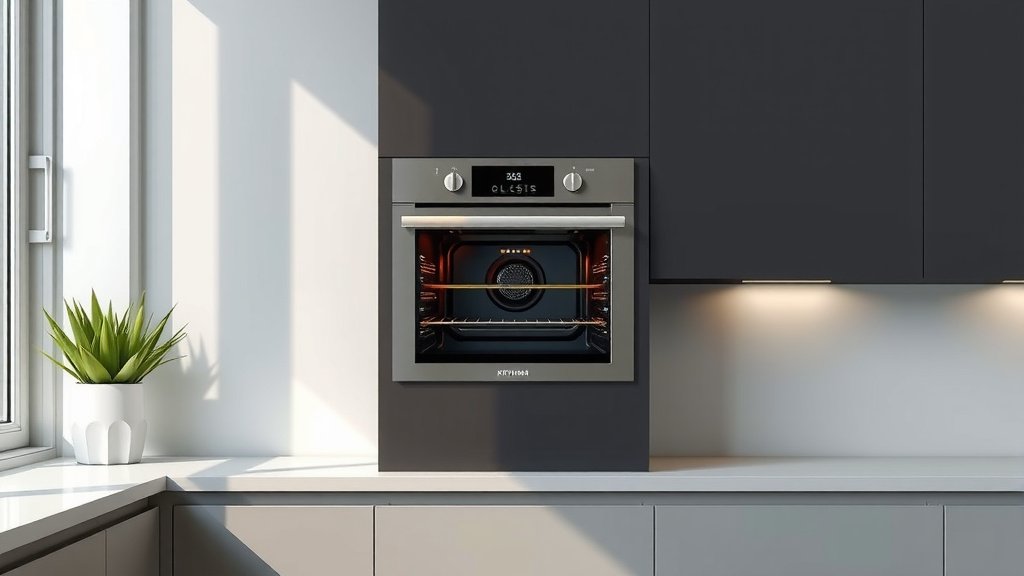
Yes, many single wall ovens absolutely come equipped with convection technology. This feature helps circulate hot air for more even and efficient cooking.
You can find convection in a wide range of single wall oven models, from basic options to high-end appliances, making advanced cooking accessible.
- A single wall oven can definitely have convection capabilities.
- Convection uses a fan to move hot air, cooking food more evenly and often faster.
- Look for “true convection” or “European convection” for the best results.
- This feature is fantastic for baking, roasting, and getting crispy textures.
- It saves you time and often leads to better tasting dishes.
Can A Single Wall Oven Have Convection?
Yes, a single wall oven can certainly have convection. Many modern single wall ovens offer this powerful cooking feature.
Convection helps improve your cooking results significantly. We found that most appliance brands include convection in their wall oven lines.
What is Convection, Anyway?
Imagine a tiny tornado of hot air inside your oven. That’s essentially convection!
It uses a fan and sometimes an extra heating element to circulate hot air evenly. This consistent airflow cooks your food from all sides, not just the top and bottom.
How Convection Differs from Conventional Baking
In a conventional oven, heat radiates from the elements and often creates hot spots. You know, that one cookie that burns before the others?
Convection avoids this. The circulating air ensures every part of your dish gets the same heat exposure. It’s like having a much smarter, more diligent oven assistant.
Why Would You Want Convection in Your Single Wall Oven?
The benefits of convection are quite impressive. Many home cooks swear by it once they experience it.
It’s not just a fancy button; it truly transforms your cooking and baking.
Benefits You’ll Notice Right Away
- Even Cooking: Say goodbye to unevenly baked cakes or roasted vegetables. Every bite will be perfectly cooked.
- Faster Cooking: Convection typically reduces cooking times by 20-25%. This means dinner is ready quicker!
- Better Browning: The circulating air helps create crispy skins on poultry and beautiful browning on roasts.
- Improved Baking: Multiple racks of cookies can bake perfectly at the same time, a real time-saver (Many experts say).
- Energy Efficiency: Since food cooks faster and often at lower temperatures, you might use less energy.
Types of Convection in Wall Ovens
Not all convection is created equal. Understanding the differences can help you choose the best wall oven for your needs.
We found that manufacturers often use different terms for their convection systems.
Understanding True Convection
True convection, sometimes called “European convection,” uses an additional heating element around the fan itself. This element preheats the air before it circulates.
This method ensures the most consistent and even heat distribution. It’s often considered the gold standard for convection cooking.
Basic convection, on the other hand, just uses a fan to circulate air from the main heating elements.
Key Features to Look For
When you’re shopping for a single wall oven with convection, keep an eye out for these important features.
They can make a big difference in your cooking experience and overall satisfaction.
- Digital temperature display for precise control.
- Self-cleaning function to save you effort.
- Multiple rack positions for cooking various dishes.
- Sabbath mode if you observe religious dietary laws.
- Touch controls or easy-to-use dials.
What About Dual Fuel or Steam Convection?
While we’re talking wall ovens, you might hear about dual fuel ranges or steam ovens. A single wall oven typically refers to an electric oven designed to be built into your cabinetry.
A dual fuel range combines a gas cooktop with an electric convection oven. Steam convection ovens add steam to the convection process for incredibly moist results (Research often connects steam with enhanced food moisture retention).
These are separate categories, but many electric single wall ovens can offer high-performance convection, sometimes even with advanced steam functions built-in.
Common Concerns and How to Address Them
Thinking about a convection oven might bring up some questions. It’s a different way to cook, after all!
Let’s address a few common worries you might have. It’s natural to wonder about new technology.
| Concern | Solution/Tip |
|---|---|
| Food drying out | Use slightly lower temperatures and shorter cooking times. Cover dishes loosely if needed. |
| Learning curve | Start with simple recipes you know well. Many recipes include convection conversion tips. |
| Noise from the fan | Modern ovens are often very quiet. Check reviews for specific model noise levels. |
| Not all recipes suitable | Delicate custards or soufflés sometimes do better without convection. Know when to switch it off. |
Adjusting Your Recipes for Convection
You generally need to make two small adjustments when using convection: temperature and time. You can either lower the temperature by about 25 degrees Fahrenheit or reduce the cooking time by 20-25%.
Often, a recipe will specify convection settings. If not, start with a slight adjustment and keep an eye on your food. You’ll get the hang of it quickly!
Installation Considerations for Wall Ovens
Installing a single wall oven isn’t quite like plugging in a toaster. You need to consider a few things.
Ensure you have the correct electrical hookup and proper cabinet dimensions. Many guidelines point to professional installation for safety (National Electrical Code).
Think about where the oven will be. You want it at a comfortable height for loading and unloading hot dishes.
Is a Convection Single Wall Oven Right for Your Kitchen?
If you love to bake, roast, or cook for a crowd, a convection single wall oven can be a game-changer. It offers superior performance and convenience.
Consider your cooking habits and kitchen layout. If even, faster results sound appealing, then convection is a feature you’ll definitely appreciate.
Conclusion
Absolutely, a single wall oven can have convection, and it’s a feature that truly elevates your kitchen experience. From faster cooking to perfectly browned dishes, convection offers a host of benefits.
When selecting your next oven, look for true convection for the best performance. You’ll find that this investment in better cooking will pay off every time you use it, making meal preparation more enjoyable and delicious.
How does convection cooking actually work in a wall oven?
Convection cooking in a wall oven works by using a fan, and sometimes an additional heating element, to circulate hot air continuously around your food. This constant movement of heat ensures that every surface of your food cooks evenly and quickly, unlike traditional ovens where heat radiates from fixed elements.
Will I need special cookware for a convection wall oven?
No, you typically don’t need special cookware for a convection wall oven. Your existing baking sheets, roasting pans, and casserole dishes will work perfectly. Just be mindful that light-colored, low-sided pans often perform best as they allow air to circulate more freely.
Can I turn off the convection feature in my single wall oven?
Yes, nearly all single wall ovens with convection allow you to turn the convection feature off. This lets you switch to conventional baking when a recipe calls for it, or for delicate items like soufflés that might not benefit from circulating air.
Is a convection wall oven more expensive than a regular one?
Generally, a single wall oven with convection will be a bit more expensive than a comparable model without it. The added technology and components contribute to a slightly higher price point. However, the benefits in cooking performance often justify the extra cost for many home cooks.
Does a convection wall oven require a different electrical hookup?
A convection wall oven usually requires the same electrical hookup as a standard electric wall oven, typically a 240-volt dedicated circuit. Always check the specific requirements in the oven’s manual or consult an electrician to ensure your kitchen is properly equipped for installation.
