
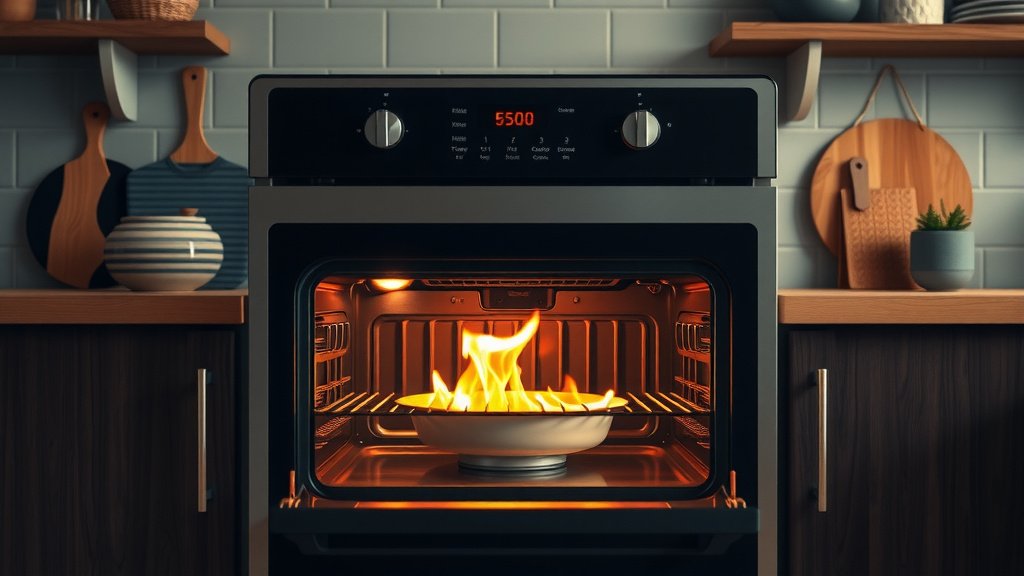
No, you absolutely should not use a gas oven to heat your home, as it presents serious risks like carbon monoxide poisoning and fire hazards.
Using a gas oven for heating is inefficient and dangerous, potentially leading to fatal consequences and never recommended for warming your living space.
Feeling chilly and wondering about your gas oven? Here’s the scoop:
- Using a gas oven for home heating is extremely dangerous due to carbon monoxide risks.
- It’s also a fire hazard, as ovens aren’t designed for continuous, unsupervised room heating.
- It’s a very inefficient and expensive way to try and warm your home.
- Stick to safe heating methods like space heaters or improving your home’s insulation.
- Your oven is for delicious meals, not for staying warm!
Can You Use Gas Oven To Heat Your Home?
The straightforward answer is no, you should never use a gas oven to warm your living space. It poses grave risks to your health and safety.
We found that experts strongly advise against this practice due to potentially deadly consequences.
The Critical Dangers: Why It’s a Bad Idea
It’s easy to think of your oven as a heat source, especially when the temperatures drop. But your oven is a cooking appliance, not a heater.
Attempting to use it for warmth opens the door to several significant dangers that you’ll want to avoid.
The Silent Killer: Carbon Monoxide
When you burn natural gas or propane in your oven, it produces carbon monoxide (CO) as a byproduct. This gas is odorless, colorless, and tasteless.
Many experts emphasize that carbon monoxide is a “silent killer” because you can’t detect it without a special alarm (CDC).
If CO builds up in your home, it can quickly become lethal. Using an oven with its door open or for extended periods drastically increases this risk.
Fire Risks and Overheating
Ovens are built for intermittent, high-heat cooking, not for continuous room heating. Leaving your oven door open for hours can lead to serious fire hazards.
The constant, unregulated heat can ignite nearby curtains, kitchen towels, or other flammable items. We found that oven fires are a real concern when used improperly.
It also places excessive strain on the appliance itself, potentially causing electrical failures or gas leaks.
Not Just Dangerous, But Inefficient
Beyond the safety concerns, using an oven to heat your home is simply a terrible idea from an efficiency standpoint. It’s like trying to fill a bathtub with a teacup.
You’ll find it far more costly and much less effective than actual heating systems.
High Cost, Low Heat Output
Your gas oven is designed to heat a small internal chamber to very high temperatures, not a whole room. Most of the heat stays inside.
Even with the door open, a lot of heat escapes into your kitchen ceiling, not circulating to warm you effectively. This means you’re burning gas for minimal benefit.
We found that heating with an oven wastes energy and significantly drives up your utility bills compared to a furnace or space heater.
What About Electric Ovens? Are They Safer?
You might wonder if an electric oven is a safer alternative for heating. After all, there’s no carbon monoxide risk, right?
While the carbon monoxide danger is absent, electric ovens still present other serious safety and efficiency issues.
Electric Oven Risks
Just like gas ovens, electric ovens are not designed for heating rooms. Prolonged use with the door open can cause the outer components to overheat.
This overheating can damage cabinetry, wiring, and other kitchen fixtures. We found that fire hazards remain a concern with electric ovens too.
They are also incredibly inefficient for space heating, drawing a large amount of electricity for little warmth and costing you a lot of money.
Recognizing Carbon Monoxide Poisoning
Because carbon monoxide is invisible and odorless, recognizing its symptoms is vital. If you suspect CO exposure, get fresh air immediately and seek medical help.
Here are common signs of carbon monoxide poisoning (Mayo Clinic):
- Dull headache
- Weakness and dizziness
- Nausea and vomiting
- Shortness of breath
- Confusion and blurred vision
- Loss of consciousness in severe cases
Safe, Smart Ways to Warm Up
Instead of risking your safety, there are many better, safer, and more effective ways to warm your home. Let’s look at some practical solutions.
| Heating Method | Safety | Efficiency | Cost (Operating) |
|---|---|---|---|
| Gas Oven (Misuse) | Extremely Low (High Risk) | Very Low | High |
| Electric Oven (Misuse) | Low (Fire Risk) | Very Low | High |
| Approved Space Heater | High (with proper use) | Moderate to High | Moderate |
| Central Furnace | High (with maintenance) | High | Moderate |
Portable Space Heaters: A Better Choice
If you need to heat a specific room, a modern, approved space heater is a much safer option. Look for models with tip-over protection and automatic shut-off features.
Always place them on a flat, non-flammable surface and keep them away from anything that can burn. Never leave them unattended.
Boosting Home Insulation
A more permanent and efficient solution is to improve your home’s insulation. Check for drafts around windows and doors.
Sealing these drafts with weatherstripping or caulk can make a big difference in retaining heat. Adding insulation to attics and walls is also beneficial.
Dress Warm and Stay Cozy
Sometimes, the simplest solutions are the best. Layering clothing, wearing warm socks, and using blankets can significantly increase your personal comfort.
A warm cup of tea or coffee can also help you feel cozier without needing extra heat. Don’t underestimate the power of a good, snuggly blanket!
Routine Oven Maintenance
To ensure your oven is safe for its intended purpose – cooking delicious meals – regular maintenance is key. This helps prevent gas leaks and ensures proper operation.
Here’s a quick checklist for keeping your oven in good working order:
- Inspect gas lines for any signs of damage or leaks annually.
- Ensure burner flames are blue, not orange or yellow, indicating proper combustion.
- Clean the oven regularly to prevent grease buildup that could catch fire.
- Check the oven door seal to make sure it closes tightly and efficiently.
- Never block oven vents or openings; they are vital for proper airflow.
Conclusion
While the idea of using a gas oven for home heating might seem tempting in a cold snap, the risks far outweigh any perceived benefit. The dangers of carbon monoxide poisoning, fire, and inefficiency are simply too high to ignore.
Your oven is a valuable tool for culinary creations, not a substitute for a safe and appropriate heating system. Prioritize your safety and well-being by choosing proven, secure methods to keep your home warm.
Frequently Asked Questions
Is it okay to open my oven door after cooking to let residual heat out?
Opening your oven door for a short period after cooking to let residual heat escape isn’t inherently dangerous, but it’s not an efficient way to heat your home. The small amount of warmth quickly dissipates, and it’s best to allow your home’s dedicated heating system to do its job.
What should I do if I smell gas near my oven?
If you smell gas, open windows immediately to ventilate the area. Turn off the gas supply if you know how. Leave the building and call your gas company or emergency services from a safe location. Do not use any electrical switches or light anything, as this could cause an explosion.
How can I make my home feel warmer without turning up the thermostat too high?
To feel warmer without cranking up the heat, try sealing drafts around windows and doors, using thermal curtains, dressing in layers, and utilizing cozy blankets. Using rugs on bare floors can also help retain warmth and make rooms feel more comfortable.
Are carbon monoxide detectors truly necessary for homes with gas appliances?
Yes, carbon monoxide detectors are absolutely necessary, especially in homes with gas appliances like ovens, furnaces, or water heaters. They provide an early warning of CO buildup, which is critical since CO is undetectable by human senses. We found that many safety guidelines recommend them for every level of your home (National Fire Protection Association).
Does leaving the oven on for a long time damage the appliance?
Leaving your oven on for extended periods, especially with the door open, can put undue stress on its components. It can potentially shorten the lifespan of heating elements, igniters, and other parts, leading to premature wear and costly repairs. Ovens are designed for specific cooking durations, not continuous operation as a heater.
