
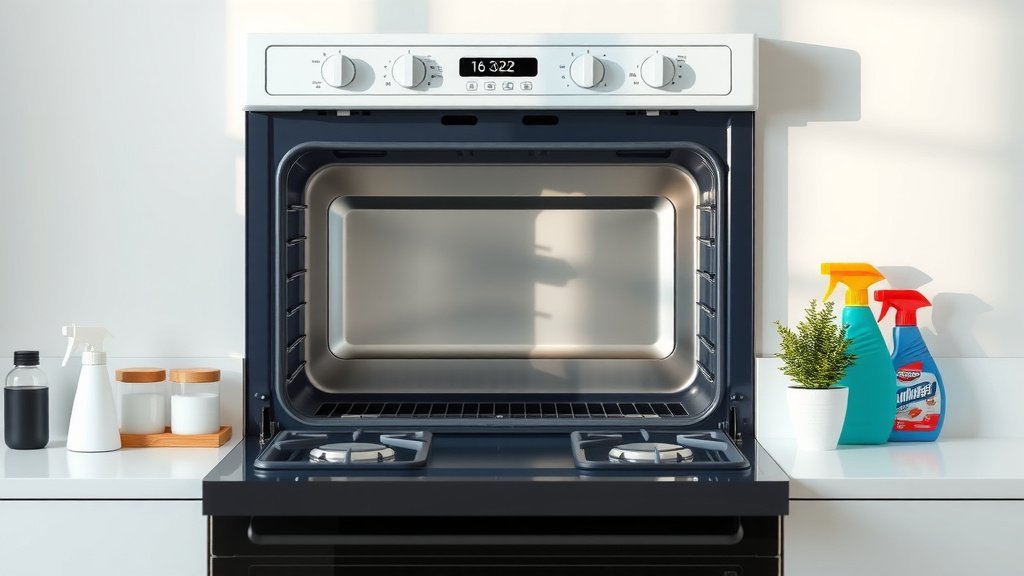
To clean a gas oven, first ensure it’s completely cool and the gas supply is off for safety, then remove racks and loose debris.
You can effectively clean a gas oven using a paste of baking soda and water for interior scrubbing, letting it sit before wiping away grime.
Here’s a quick overview of what you’ll find:
- Safely prepare your gas oven for cleaning by turning off the gas.
- Use a simple baking soda and water paste for a powerful, non-toxic clean.
- Address spills promptly to prevent tough, baked-on stains.
- Learn about essential tools and supplies to make the job easier.
- Discover methods for tackling different types of grime effectively.
How To Clean A Gas Oven?
Cleaning a gas oven feels like a big chore, doesn’t it? We know that messy oven can be a real eyesore, and honestly, a fire hazard too. Keeping your gas oven sparkling clean is not just about aesthetics; it’s about safety and efficiency. A clean oven cooks better, smells better, and keeps your kitchen safe. Let’s make this task straightforward and even a little satisfying.
Why Bother Cleaning Your Gas Oven?
You might wonder, “Is it really that important?” Yes, it is! Baked-on food bits and grease can cause smoke and strange odors. These can affect the taste of your food. More seriously, they can pose a fire risk if left to accumulate (National Fire Protection Association).
A clean oven also runs more efficiently. When there’s less gunk inside, your oven can heat up more evenly. This helps cook your meals perfectly. Who doesn’t want perfectly roasted veggies?
Safety First: Your Most Important Step
Before you even think about sponges and sprays, prioritize safety. This isn’t just a suggestion; it’s a rule. Working with a gas appliance requires care. You are dealing with flammable gas and potentially harsh chemicals.
Turning Off the Gas
Always turn off the gas supply to your oven before cleaning. Look for the gas shut-off valve behind the oven. Some models have it under the cooktop. This step is non-negotiable for safety (Consumer Product Safety Commission).
Once the gas is off, let the oven cool down completely. A hot oven combined with cleaning products can release harmful fumes. It can also cause burns.
Ventilation is Key
Open windows and turn on your kitchen exhaust fan. Good airflow is vital. Cleaning fumes, whether from natural or chemical cleaners, need to escape. We found that proper ventilation protects your respiratory health (Environmental Protection Agency).
Gather Your Cleaning Arsenal
Before you get started, make sure you have everything you need. A little preparation saves time and frustration. Imagine starting, only to realize you are missing a key item!
Essential Supplies List
- Rubber gloves (to protect your hands)
- Baking soda
- White vinegar (in a spray bottle)
- Dish soap
- Warm water
- Sponge, scrubbing brush, or non-scratch scour pad
- Plastic scraper or old credit card
- Microfiber cloths or old towels
- Empty spray bottle
Step-by-Step Gas Oven Cleaning Guide
Now that you are prepared, let’s get cleaning! We’ll tackle this mess together, one step at a time. It’s a process, but a rewarding one.
Remove Everything Inside
Pull out all oven racks, baking sheets, and any other items. These need separate cleaning. You can soak them in a tub of hot, soapy water later. This clears the main chamber for cleaning.
Tackle Loose Debris
Use a vacuum cleaner with a hose attachment or simply sweep out loose crumbs. Get rid of all the visible burnt bits. A dry clean is your first defense against the bigger messes.
The Power of Baking Soda Paste (Interior Walls)
This is where the magic happens. Many experts say baking soda is a powerful, non-toxic cleaner (Good Housekeeping Institute). Mix about 1/2 cup of baking soda with a few tablespoons of water. You want a thick, spreadable paste.
Spread this paste all over the interior surfaces of your oven. Avoid the gas burner openings and any electrical elements. For extra dirty spots, apply a thicker layer. Let this sit for at least 12 hours, or even overnight. Patience is a virtue here!
Don’t Forget the Oven Racks
While the paste works, clean your oven racks. Soak them in a large sink or bathtub with hot water and dish soap. For stubborn grime, you can also sprinkle baking soda directly on wet racks. Scrub them clean with a brush or steel wool.
Cleaning the Oven Door Window
The oven door often gets overlooked. Apply the baking soda paste to the inside of the window. Let it sit for the same duration. For streaks on the outside, a simple glass cleaner or vinegar spray works wonders. Crystal clear glass makes a huge difference in appearance.
Wipe Down the Exterior
Finally, wipe down the outside of your oven. Use a damp cloth with a little dish soap. For stainless steel, follow the grain of the metal to avoid streaks. Always read your oven’s manual for specific exterior cleaning tips.
Natural vs. Commercial Cleaners: Which to Choose?
You have choices when it comes to cleaning products. Each has its pros and cons. We found that both can be effective depending on your preference.
| Feature | Natural Cleaners (Baking Soda & Vinegar) | Commercial Oven Cleaners |
|---|---|---|
| Effectiveness | Very effective for most grime, needs time. | Strong, works faster on tough, baked-on grease. |
| Safety | Non-toxic, safe for pets and children. | Strong fumes, requires good ventilation, gloves. |
| Cost | Very inexpensive, common household items. | Moderately priced, single-purpose product. |
| Environmental Impact | Eco-friendly, biodegradable. | Can contain harsh chemicals, less eco-friendly. |
Dealing with Stubborn Stains
Some stains just won’t budge, right? For really tough, caked-on messes, you might need a bit more elbow grease. After the baking soda paste has softened the grime, use a plastic scraper. An old credit card also works well. Gently scrape away the softened bits.
You might need a second application of baking soda paste for extremely tough spots. Remember, consistency often beats intensity when cleaning these areas.
Prevention: The Best Cleaning Strategy
The easiest way to clean an oven? Don’t let it get too dirty in the first place! A little effort regularly saves you from a big chore later. Think of it as oven self-care.
Wipe Up Spills Immediately
As soon as something spills, let the oven cool, then wipe it up. Fresh spills are much easier to remove. This simple habit will save you hours of scrubbing.
Use Oven Liners
Consider using oven liners or aluminum foil on the bottom rack. These catch drips and spills. Just be sure not to block any vents or openings in a gas oven. Read your oven manual before placing anything on the very bottom of the oven.
How Often Should You Clean Your Gas Oven?
How frequently should you clean? It depends on how often you use your oven. We found that most home appliance guides suggest a deep clean every 3-6 months. For frequent bakers or cooks, monthly spot cleaning is ideal. A quick wipe after minor spills prevents major build-up.
Pre-Cleaning Safety Checklist
Here’s a quick list to run through before you start cleaning. Better safe than sorry, we say!
- Is the oven completely cool to the touch?
- Have you turned off the gas supply valve?
- Are windows open and the exhaust fan on for ventilation?
- Are your rubber gloves on and ready?
- Do you have all your cleaning supplies nearby?
- Is there a fire extinguisher accessible, just in case?
Conclusion
Cleaning your gas oven might seem daunting, but with these steps, you can achieve a sparkling result. Remember, safety always comes first. Regular maintenance not only keeps your oven looking good but also extends its life and ensures safe operation. Take pride in your clean kitchen, and enjoy cooking without smoke or strange smells. You’ve earned it!
How do I deal with the smell of cleaning products in my oven?
After cleaning, wipe down the oven with a damp cloth and then a dry one. You can also place a bowl of white vinegar or lemon slices in the oven and heat it to a low temperature (around 200°F) for 15-20 minutes. This helps absorb and neutralize any lingering odors, leaving your oven smelling fresh.
Can I use self-cleaning mode on a gas oven?
Many gas ovens do have a self-cleaning feature. However, it uses very high temperatures to burn off food residue, creating a lot of smoke and fumes. Always ensure excellent ventilation, remove all racks beforehand, and consider doing it when no one with respiratory issues is home. Some experts advise caution due to the intense heat and potential for strong odors (Appliance Repair Pros Association).
What should I do if my gas oven smells like gas after cleaning?
If you smell gas, turn off the oven and the gas supply immediately. Open windows and doors to ventilate the area. Do not operate any electrical switches. If the smell persists, leave your home and call your gas provider or emergency services from a safe distance. This is a serious safety concern.
Can I use steel wool to clean my gas oven interior?
Generally, it’s best to avoid steel wool on oven interiors, especially on surfaces that are coated or have a finish. Steel wool can scratch the enamel or protective layers, potentially leading to rust or making future cleaning harder. Opt for non-scratch scrubbing pads or brushes instead, particularly when using baking soda paste.
How can I make my oven racks easier to clean next time?
To make future rack cleaning simpler, consider lining the bottom of your oven with a reusable oven liner or aluminum foil (ensuring it doesn’t block vents). When cleaning, soak racks immediately after removal. You can also lightly coat cleaned racks with vegetable oil before returning them to the oven; this can create a non-stick layer that makes subsequent grime easier to remove.
