
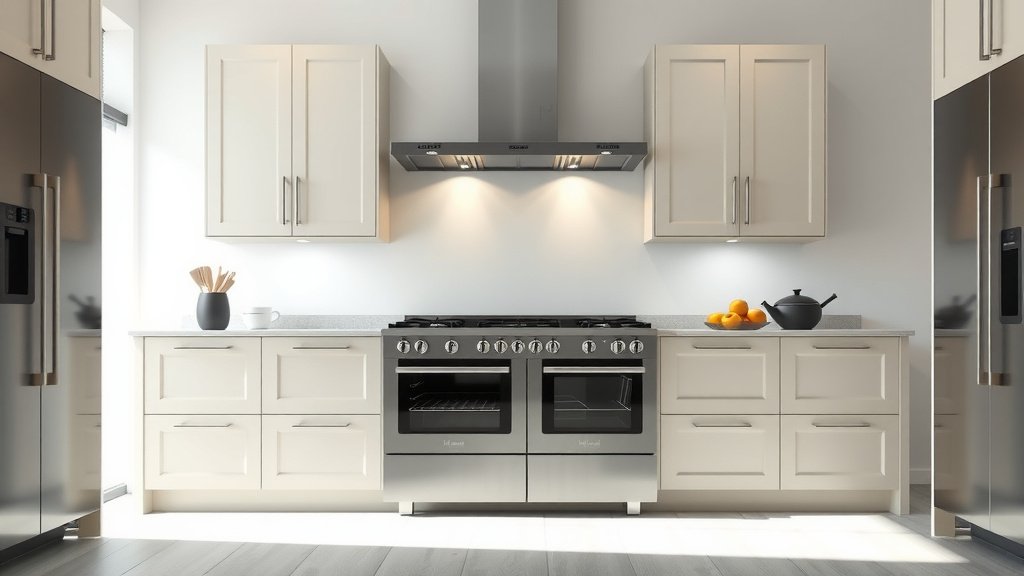
Yes, a gas oven can explode under very specific, rare circumstances, usually due to a significant gas leak or a major malfunction.
However, modern gas ovens incorporate numerous safety features that make such an event extremely unlikely when they are properly maintained and used.
For those short on time, here’s the quick takeaway:
- Gas oven explosions are exceptionally rare, thanks to robust safety systems.
- The primary risk comes from a significant, unaddressed gas leak that accumulates.
- Modern ovens have automatic shut-off valves and igniter checks.
- Regular maintenance and prompt attention to gas smells are your best defenses.
- Always trust your nose; if you smell gas, act immediately and safely.
Can A Gas Oven Explode?
While the thought can be frightening, a gas oven explosion is a very uncommon event. Most incidents that make headlines are due to major gas line issues, not typically the oven itself.
How Do Gas Ovens Work Safely?
Have you ever wondered what keeps your gas oven from just filling with gas? It’s a combination of clever engineering and strict safety standards. When you turn your oven on, gas flows to a burner, and an igniter creates a spark or glow to light it. If the flame doesn’t light, the gas supply should stop.
The Role of the Thermostat
Your oven’s thermostat does more than just control temperature. It plays a part in safety by regulating gas flow. Once the oven reaches your set temperature, the thermostat reduces the gas, maintaining a steady heat. This prevents overheating and helps manage gas usage. It’s like a smart guardian for your baking.
What Causes a Gas Oven to Explode?
An explosion happens when gas builds up in an enclosed space and finds an ignition source. For an oven, this means a significant amount of unburnt gas must be present. This is why safety systems are in place to prevent such dangerous accumulations. We found that most serious incidents involve issues with gas lines outside the appliance (CDC).
Gas Leaks: The Primary Concern
A gas leak is the most serious potential cause. This can happen if a gas line is damaged, connections loosen, or internal components fail. If enough gas escapes into your kitchen and doesn’t dissipate, it creates a flammable atmosphere. This is the scenario you absolutely want to avoid.
Ignition Failures and Gas Buildup
Sometimes, the igniter fails to light the gas immediately. If the gas keeps flowing without ignition, it can accumulate. Modern ovens have safety valves that should shut off the gas quickly if no flame is detected. However, older ovens or faulty components might not always perform this critical step flawlessly.
Faulty Igniters and Pilots
Pilot lights are common in older gas ovens, providing a continuous small flame. If this pilot light goes out, gas might flow without igniting. Newer ovens use electronic igniters. If an igniter is weak or broken, it might not light the gas, causing a buildup before the safety shut-off kicks in. We found that many appliance service calls involve igniter issues.
Signs of a Gas Leak: What to Watch For
Your nose is your best detection tool! Natural gas often has a distinctive rotten egg smell added to it. This smell is your warning system, designed specifically to alert you to a leak. Never ignore it.
Other signs could include a hissing sound near gas lines, dead houseplants, or even unexplained nausea or dizziness. Many experts say that paying attention to your senses is the best way to stay safe.
Are Modern Ovens Safer?
Absolutely! Modern gas ovens are far safer than their older counterparts. Manufacturers have continuously improved designs, adding multiple layers of protection. This means greater peace of mind for you.
Advanced Safety Features
Today’s ovens include flame failure safety devices. These sensors detect if the burner flame goes out. If it does, the gas supply to that burner automatically shuts off. This prevents unburnt gas from filling your kitchen. Think of it as a vigilant co-pilot always watching for trouble.
What to Do If You Smell Gas
Smelling gas means immediate action is necessary. Don’t panic, but don’t delay. Your swift response can prevent a serious incident. These steps are crucial (NIH):
- DO NOT turn lights or appliances on or off.
- DO NOT use cell phones or landlines indoors.
- DO NOT light matches or use lighters.
- DO NOT open garage doors if the opener uses electricity.
- DO get everyone out of the house immediately.
- DO call your gas company or 911 from a safe distance.
Routine Maintenance for Your Gas Oven
Just like your car, your oven benefits from regular check-ups. Simple maintenance can catch small issues before they become big problems. Keep the area around your oven clean and free of debris. Always ensure good ventilation in your kitchen.
You can also routinely check your oven’s burner flames. They should burn a steady blue color, possibly with a small yellow tip. A mostly yellow or orange flame can signal a problem with the gas-to-air mixture. Research often connects irregular flame colors with potential inefficiencies or minor issues.
When to Call a Professional
Don’t try to be a hero with gas appliances. If you notice persistent gas smells, strange noises, or consistent ignition problems, call a qualified appliance technician. They have the tools and expertise to diagnose and fix issues safely. It’s a small investment for your safety.
Gas vs. Electric Ovens: A Quick Comparison
Both types of ovens have their pros and cons. Understanding the differences might help you feel more comfortable. Here’s a brief look:
| Feature | Gas Ovens | Electric Ovens |
|---|---|---|
| Heat Source | Natural gas or propane | Electricity |
| Heat Distribution | Moister heat, often preferred for roasting | Drier heat, often preferred for baking |
| Explosion Risk | Very low, due to gas leaks (rare) | Virtually none |
| Installation | Requires gas line connection and ventilation | Requires dedicated electrical circuit |
| Operating Cost | Generally lower in many regions | Can vary by electricity rates |
Conclusion
The idea of a gas oven exploding is certainly unsettling, but it’s important to remember that such events are exceedingly rare. Thanks to rigorous safety standards and clever engineering, modern gas ovens are built to operate safely in your home. Your oven includes multiple safeguards to prevent gas buildup and ignition failures.
Your most powerful safety tool is awareness. Pay attention to any unusual smells or sounds, perform routine light cleaning, and never hesitate to call a professional for any concerns. By understanding how your oven works and recognizing warning signs, you are taking the best steps to keep your kitchen a safe and happy place for cooking.
How often should I have my gas oven professionally inspected?
Many experts suggest having your gas oven, and all gas appliances, inspected by a professional every one to three years. This helps catch potential issues like minor leaks or worn components before they become significant safety concerns. It’s a good routine for maintaining peace of mind.
Can cleaning products cause a gas oven to explode?
No, standard oven cleaning products do not cause gas ovens to explode. However, you should always ensure good ventilation when cleaning, especially if using strong chemical cleaners. Residues from cleaners can sometimes produce fumes if not properly aired out, but they won’t trigger a gas explosion.
What is the typical lifespan of a gas oven’s igniter?
A gas oven igniter typically lasts between 5 to 10 years, though this can vary based on usage and oven model. If your oven is taking longer to ignite, or you notice a clicking without a flame, it might be time to have the igniter checked or replaced by a technician.
Is it normal for a gas oven to produce a slight gas smell when first turned on?
A very faint gas smell for a few seconds immediately after turning on a gas oven can be normal, as gas flows and ignites. However, this smell should quickly disappear. If the smell is strong, lingers, or occurs when the oven is off, it is definitely a sign of a potential leak and requires immediate attention.
Should I open windows if I smell gas near my oven?
Yes, if you smell gas near your oven, opening windows and doors to ventilate the area is a good initial step, provided you can do so quickly and without turning on any electrical switches or devices. However, your first priority should always be to evacuate the house and then call your gas company or 911 from a safe distance.
