
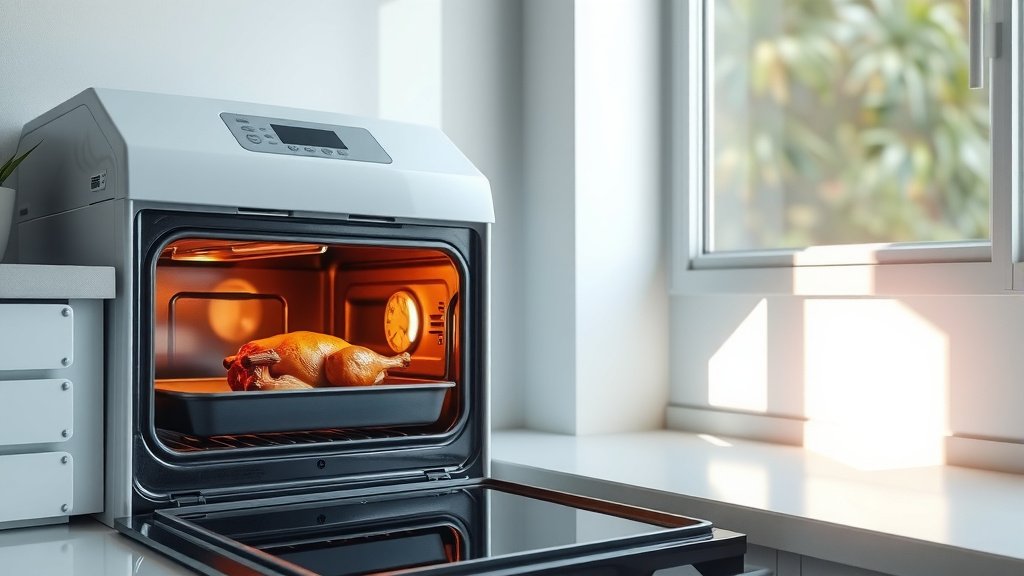
To roast successfully in a gas oven, you typically need to preheat your oven thoroughly, understand its hot spots, and adjust cooking times as gas ovens can often run hotter than their electric counterparts.
Roasting in a gas oven involves setting the right temperature, using appropriate cookware, and monitoring your food closely for even cooking and a delicious, crispy exterior.
TL;DR: Roasting in a gas oven made easy.
- Preheat your gas oven fully for even heat distribution.
- Use a reliable oven thermometer to confirm accurate temperature.
- Place food on the correct rack level to manage direct heat.
- Consider using lighter-colored roasting pans for better results.
- Adjust cooking times and temperatures based on your specific oven’s quirks.
How To Roast In A Gas Oven?
Roasting in a gas oven can feel a bit different than an electric one, right? Many home cooks find gas ovens have a unique way of distributing heat. But don’t worry, with a few simple adjustments, you’ll be roasting like a pro in no time.
Understanding Your Gas Oven’s Heat
Gas ovens often produce a moist heat compared to electric models. This can be great for preventing your roasts from drying out. However, they also tend to have more prominent hot spots, especially near the flame at the bottom.
The Power of Preheat
Preheating isn’t just a suggestion; it’s a must. Gas ovens need ample time to reach and stabilize their target temperature. Give your oven at least 20-30 minutes after the preheat light goes off for best roasting results.
Why An Oven Thermometer Is Your Best Friend
You know, your oven’s display isn’t always perfectly accurate. We found that actual oven temperatures can vary significantly from what’s set. A simple, inexpensive oven thermometer placed inside will show you the true temperature, helping you avoid undercooked or burnt food (USDA).
Choosing the Right Roasting Temperature
Most meats and vegetables roast beautifully between 375°F (190°C) and 425°F (220°C). Lower temperatures, around 300°F (150°C), are often used for slower cooking, while higher heat creates a crispier exterior quickly.
High Heat vs. Low Heat Roasting
For vegetables or smaller cuts of meat, higher temperatures produce great caramelization. Larger roasts, like a whole chicken or turkey, often benefit from a combination: a short burst of high heat, then a longer period at a lower temperature. This method helps achieve juicy interiors and crisp skins.
Selecting Your Roasting Pan
The pan you use makes a real difference. Darker pans absorb more heat, leading to faster browning and sometimes burning. Lighter-colored pans reflect heat, promoting more even cooking, especially for vegetables.
The Role of Rack Placement
Where you place your roasting pan matters a lot in a gas oven. Since the heat source is often at the bottom, the middle rack is usually the sweet spot for even cooking. The bottom rack will get more direct heat, while the top might be cooler unless using the broiler.
Preparing Your Food for Roasting
Before it even hits the oven, preparation is key. Patting your food dry helps achieve a better sear and crispier skin. Seasoning well and perhaps adding a little fat, like oil or butter, will enhance flavor and promote browning.
Bringing Food to Room Temperature
Many experts say letting your meat sit out for 30-60 minutes before roasting helps it cook more evenly (Mayo Clinic). A cold roast takes longer to heat through to the center, potentially leading to overcooked exteriors and raw interiors.
Monitoring Your Roast: The Key to Success
This is where patience and attention pay off. Don’t just set a timer and walk away. Check on your roast periodically, especially in a gas oven with its unique heat distribution.
Using a Meat Thermometer
For meats, a reliable meat thermometer is essential. It takes the guesswork out of knowing when your roast is done. Insert it into the thickest part, avoiding bone, for the most accurate reading. Each type of meat has a specific safe internal temperature.
Rotating Your Pan
If you notice one side of your roast browning faster, don’t hesitate to rotate the pan halfway through cooking. This simple step can help you achieve more even results and a beautifully consistent crust.
The Art of Resting Your Roast
Once your roast is out of the oven, resist the urge to slice into it immediately. Resting allows the juices to redistribute throughout the meat, resulting in a much more tender and flavorful bite. Ten to fifteen minutes is often enough, covered loosely with foil.
Troubleshooting Common Gas Oven Roasting Issues
Sometimes, things don’t go exactly as planned. But don’t despair! Most roasting problems have simple solutions.
| Problem | Possible Cause in Gas Oven | Quick Solution |
|---|---|---|
| Uneven Browning | Hot spots, pan placement | Rotate pan, use middle rack more often |
| Food Too Dry | Overcooking, too high temp | Use thermometer, reduce temp slightly |
| Not Crispy Enough | Too much moisture, too low temp | Pat dry thoroughly, higher initial temp |
| Bottom Burning | Direct flame heat, dark pan | Move to a higher rack, use lighter pan |
Here’s a quick checklist to help you master gas oven roasting:
- Get an oven thermometer.
- Preheat for at least 30 minutes.
- Use a lighter-colored roasting pan.
- Place food on the middle oven rack.
- Use a meat thermometer for accurate doneness.
Conclusion
Roasting in a gas oven truly is a rewarding experience once you get to know its unique characteristics. By focusing on proper preheating, using an oven thermometer, understanding rack placement, and monitoring your food, you can confidently create delicious, perfectly roasted dishes every time. Don’t be afraid to experiment a little; every oven has its own personality!
Can I use aluminum foil in a gas oven when roasting?
Yes, you can safely use aluminum foil in a gas oven. It’s often used to cover roasts to prevent over-browning or to keep food moist during cooking. Just ensure it doesn’t block the oven’s vents or come into direct contact with the flame source.
Why does my gas oven sometimes cook food faster than expected?
Gas ovens can sometimes run hotter than their set temperature due to variations in gas flow or calibration issues. This is why using an independent oven thermometer is so important to verify the actual internal temperature and adjust your cooking times accordingly.
Is it better to roast with convection in a gas oven?
If your gas oven has a convection setting, it can be excellent for roasting. Convection circulates hot air, promoting more even cooking and often a crispier exterior. You might need to reduce the temperature by about 25°F and shorten cooking times when using convection.
How do I prevent the bottom of my roast from burning in a gas oven?
To prevent the bottom of your roast from burning, try placing your roasting pan on the middle rack instead of the bottom. Also, using a lighter-colored roasting pan can help reflect some of the direct heat from the bottom flame. Sometimes, placing a baking sheet under your roasting pan can offer an extra layer of protection.
What is the ideal internal temperature for a perfectly roasted chicken?
For a perfectly roasted chicken, we found that the ideal internal temperature, measured in the thickest part of the thigh without touching bone, should reach 165°F (74°C). Always allow the chicken to rest for 10-15 minutes after roasting to let the juices redistribute.
