
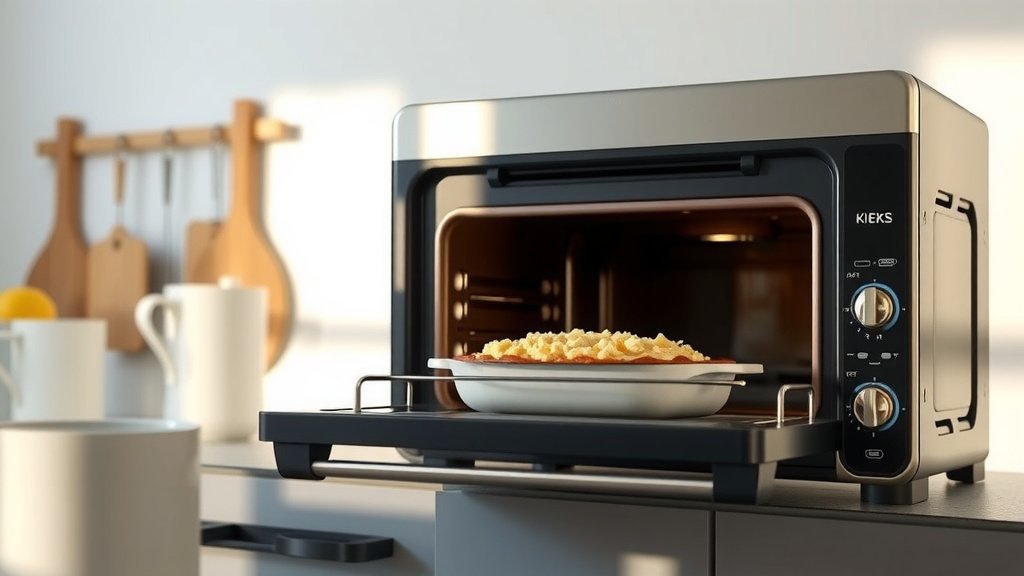
To cook casserole in an electric oven, always preheat your oven to the recipe’s specified temperature, usually between 350-375°F (175-190°C), then bake until the casserole is bubbling hot throughout and the top is golden brown.
Ensuring your casserole cooks evenly in an electric oven means placing it on the center rack and often covering it initially to prevent drying out before uncovering for the last 15-20 minutes for a crispy top.
For those quick moments when you need the core information without reading everything, here’s a rapid overview of cooking casserole in your electric oven:
- Always preheat your electric oven fully to the recommended temperature.
- Use the correct size baking dish and consider covering it to maintain moisture.
- Bake on the center rack for even heat distribution.
- Check for doneness by ensuring it’s bubbling and heated through.
- Let your casserole rest for 10-15 minutes after baking for best results.
How To Cook Casserole In An Electric Oven?
Cooking casserole in an electric oven is straightforward once you know a few key steps. You’ll achieve a perfectly cooked, comforting meal every time.
Getting Started: The Essentials
Before you even think about putting your casserole in the oven, let’s talk about a few vital preparation steps. These make all the difference in the final dish.
Picking Your Perfect Casserole Dish
Choosing the right dish is more important than you might think. A good casserole dish ensures even cooking and prevents sticking.
We found that ceramic or glass dishes are excellent for casseroles. They conduct heat well and keep your food warm longer after it comes out of the oven. Metal pans can work, but sometimes cook faster, so watch them closely.
Preheating Your Electric Oven
Always preheat your electric oven completely. This isn’t just a suggestion; it’s a rule for consistent results. A cold oven will throw off your cooking times and can lead to unevenly cooked food.
Many experts say to allow at least 15-20 minutes for your oven to reach the set temperature. Don’t trust the indicator light immediately; give it a little extra time to truly stabilize.
Setting the Right Temperature
Most casseroles bake beautifully between 350°F (175°C) and 375°F (190°C). Always follow your specific recipe’s recommendation.
Remember, your oven might have hot spots. Using an oven thermometer can help you verify your oven’s actual temperature (NIH).
To Cover or Not To Cover?
Ah, the age-old casserole question! Covering your casserole helps trap moisture, keeping your dish from drying out. This is especially good for dishes with pasta or rice.
Many recipes suggest covering the casserole with foil for the majority of the baking time. Then, uncover it for the last 15-20 minutes. This allows the top to brown beautifully and get crispy.
If your casserole already has a lovely, cheesy topping you want to crisp up quickly, you might skip the initial covering. Just keep an eye on it to prevent burning.
Baking Times: A General Guide
Baking times for casseroles can vary widely. It depends on the ingredients, the size of your dish, and how dense the casserole is.
Typically, a standard 9×13-inch casserole at 350°F (175°C) will take anywhere from 30 minutes to an hour. Always refer to your recipe first.
Here’s a quick general guide for casserole temperatures and estimated times:
| Oven Temperature | Approximate Baking Time (Covered) | Notes |
|---|---|---|
| 325°F (160°C) | 45-75 minutes | Lower temp for delicate ingredients or slower cooking. |
| 350°F (175°C) | 30-60 minutes | Most common temperature for casseroles. |
| 375°F (190°C) | 25-45 minutes | Higher temp for quicker browning or smaller dishes. |
Checking for Doneness
How do you know when your casserole is truly done? Look for a few key indicators. The edges should be bubbling, and the center should be hot.
Gently insert a knife or fork into the center. It should come out clean for baked goods. For saucy casseroles, ensure it’s heated through. The internal temperature should reach at least 165°F (74°C) for food safety (FDA).
The top should be golden brown and look appealing. If it’s browning too quickly, you can always loosely tent it with foil.
The Importance of Resting
Just like a good steak, your casserole benefits from a little rest. This isn’t a step to skip!
Allowing your casserole to rest for 10-15 minutes after removing it from the oven lets the ingredients settle. It helps the sauce thicken slightly and makes for cleaner serving portions.
Troubleshooting Common Casserole Problems
Even expert cooks run into issues sometimes. Don’t worry, we’ve all been there with a less-than-perfect casserole.
Why Is My Casserole Dry?
A dry casserole can be disappointing. It often happens from overbaking or not having enough liquid in the first place.
To avoid this, ensure your recipe has enough sauce or broth. Covering the casserole for most of the baking time helps retain moisture. Check doneness promptly, and don’t bake longer than needed.
Why Is It Soggy?
On the flip side, a soggy casserole can be just as unappealing. This usually means too much liquid, or not baking long enough.
Make sure to measure liquids accurately. If your casserole seems too wet, you might need to extend the baking time, uncovered, to allow some moisture to evaporate. Sometimes, simply letting it rest longer helps the sauce thicken.
Tips for a Perfect Casserole
Want to consistently make amazing casseroles? Here are a few extra bits of advice many experienced cooks swear by.
- Don’t overcrowd your dish. Give ingredients space to cook evenly.
- Spray your dish with non-stick spray or grease it lightly for easy cleanup.
- Use room temperature ingredients if possible. Cold ingredients will extend baking time.
- Taste your filling before baking and adjust seasonings as needed.
- If the top is browning too fast, loosely tent with foil.
Your Casserole Checklist
Before you pop that delicious dish into your electric oven, run through this quick checklist:
- Is the oven fully preheated to the correct temperature?
- Have you used the appropriate size baking dish?
- Is the casserole covered if the recipe suggests it?
- Are all ingredients evenly distributed in the dish?
- Is your timer set, and do you know when to check for doneness?
Conclusion
Cooking a delicious casserole in your electric oven is an achievable goal for any home cook. By following these simple guidelines – from preheating to checking for doneness and even letting it rest – you’ll consistently create comforting, flavorful meals. Remember, a little preparation and attention to detail go a long way in the kitchen. Enjoy the wonderful aromas filling your home!
What is the best temperature for baking most casseroles?
The best temperature for baking most casseroles is generally between 350°F (175°C) and 375°F (190°C). This range allows for thorough cooking and proper browning without drying out the ingredients too quickly.
Should I cover my casserole with foil while baking?
Yes, many experts recommend covering your casserole with foil for the majority of the baking time. This traps moisture and prevents the casserole from drying out, especially if it contains pasta or rice. Remove the foil for the last 15-20 minutes to allow the top to brown.
How do I know if my casserole is fully cooked?
You can tell your casserole is fully cooked when the edges are bubbling vigorously, the center feels hot when gently probed, and any liquid in the dish is simmering. For food safety, the internal temperature should typically reach 165°F (74°C) (FDA).
Can I bake a casserole directly from the refrigerator?
While you can bake a casserole directly from the refrigerator, it will take longer to cook through than one that has come to room temperature. Adding an extra 10-15 minutes to the baking time is a good general rule. It’s often best to let it sit out for 30 minutes before baking for more even cooking.
Why is it important to let a casserole rest after baking?
Letting a casserole rest for 10-15 minutes after baking allows the internal temperature to equalize and the ingredients to settle. This helps the sauces thicken slightly and makes the casserole easier to serve cleanly, preventing it from falling apart when scooped.
