
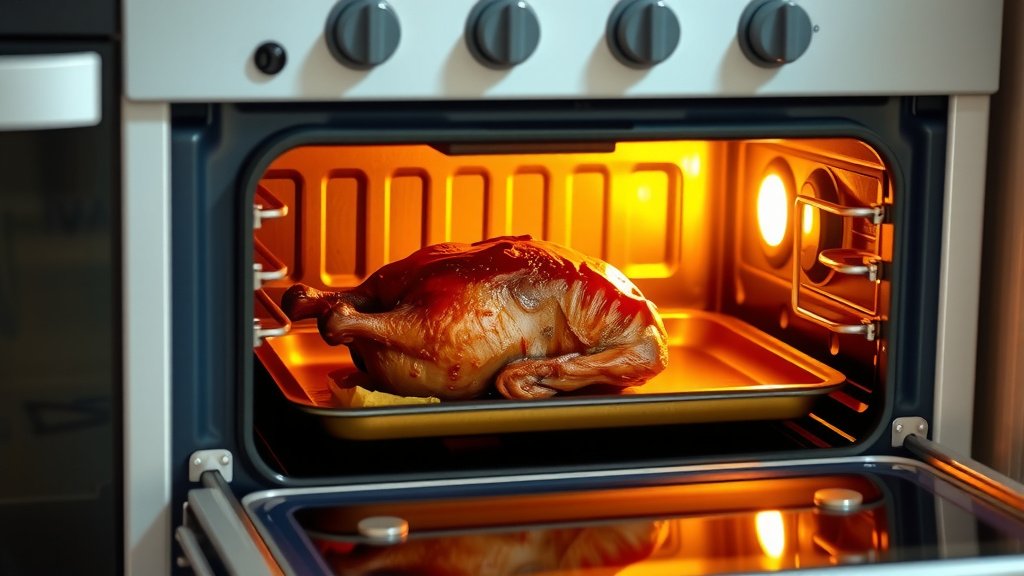
You can slow cook beef in a gas oven by setting the temperature between 225°F and 275°F (107°C to 135°C), allowing for a long, gentle cooking period that breaks down tough fibers.
To achieve perfectly tender slow-cooked beef in your gas oven, always use a heavy, covered pot and allow sufficient cooking time, often 4-8 hours depending on the cut.
Here’s a quick look at what you need to know:
- Your gas oven can create incredibly tender slow-cooked beef with the right temperature.
- Choosing the correct cut of beef, like chuck roast or brisket, is key for delicious results.
- A heavy, oven-safe pot with a tight-fitting lid will hold moisture and heat evenly.
- Low and slow is the secret; patience truly pays off with this cooking method.
How To Slow Cook Beef In A Gas Oven?
To slow cook beef in a gas oven, maintain a consistent low temperature, typically between 250°F and 275°F (121°C to 135°C), for an extended period.
This method breaks down tough fibers, yielding incredibly tender and flavorful beef dishes.
Understanding Your Gas Oven’s Heat
Gas ovens can sometimes have hot spots, which is a common characteristic. You might notice your baked goods browning unevenly sometimes, right?
For slow cooking, this means placing your pot in the center of the oven is generally best. We found that most gas ovens maintain a more consistent temperature on the middle rack (Cook’s Illustrated).
Checking Your Oven’s Accuracy
Have you ever wondered if your oven’s thermostat is accurate? It’s a good idea to use an independent oven thermometer.
Many experts say this simple tool helps you verify the actual temperature inside your oven, ensuring your slow cook doesn’t become a fast burn or an endless wait.
Choosing the Best Beef Cuts for Slow Cooking
The magic of slow cooking is turning tougher, less expensive cuts into culinary masterpieces. Think about those muscles that get a workout on the animal.
Cuts like chuck roast, brisket, short ribs, and even some round roasts are perfect. They contain a lot of connective tissue that transforms into gelatin during long, low-temperature cooking, making them incredibly juicy.
Preparing Your Beef for the Oven
Preparation is simple but makes a big difference. Before it goes into the oven, give your beef a good pat dry with paper towels.
Many chefs recommend searing the beef first on all sides in a hot pan. This creates a rich, caramelized crust that adds layers of flavor to your finished dish.
The Perfect Pot Makes a Difference
For slow cooking in a gas oven, your choice of pot is truly important. You need something heavy and oven-safe.
A Dutch oven or a heavy-bottomed pot with a tight-fitting lid is ideal. The lid traps moisture, creating a steamy environment that keeps your beef from drying out while helping it become fall-apart tender.
Setting the Right Temperature for Tenderness
The “low and slow” approach is crucial for slow cooking. Generally, you’re looking for a temperature range between 225°F to 275°F (107°C to 135°C).
We found that 250°F (121°C) is a sweet spot for many recipes, offering consistent tenderness without rushing the process. Lower temperatures mean longer cooking times, but often result in more uniform texture.
How Long Does Slow Cooking Take?
Patience is a virtue here! The cooking time for slow-cooked beef in a gas oven varies depending on the cut and its size.
A typical 3-pound chuck roast might need anywhere from 4 to 6 hours at 250°F. Larger cuts, like a brisket, could take 6-8 hours or even longer. The goal is fork-tender meat, not a specific time on the clock.
Monitoring Your Meat (Without Peeking Too Much)
It’s tempting to peek, isn’t it? Every time you open the oven door, you lose heat, slowing down the cooking process significantly.
Try to resist the urge for at least the first few hours. If you must check, do it quickly. Many experts say that maintaining consistent heat is the biggest favor you can do for your slow-cooked beef.
Flavor Enhancements You Can Try
Beyond salt and pepper, there are countless ways to boost flavor. Consider adding aromatic vegetables like onions, carrots, and celery to the pot.
Liquids like beef broth, red wine, or even a can of diced tomatoes provide moisture and depth. A sprig of fresh rosemary or thyme can also elevate the taste profile significantly.
Troubleshooting Common Slow Cooking Issues
Sometimes things don’t go perfectly, and that’s okay! Is your beef still tough after several hours? It likely just needs more time at a low temperature.
If it seems dry, you might need more liquid next time, or perhaps your lid wasn’t sealing properly. We found that undercooking is the most common issue, not overcooking (USDA).
Safely Storing Your Slow-Cooked Beef
Leftovers are often even better the next day! Allow your beef to cool slightly before refrigerating.
Store any remaining beef in an airtight container within two hours of cooking. It will typically keep well in the refrigerator for 3-4 days (FoodSafety.gov). You can also freeze portions for longer storage.
Gas Oven vs. Electric: Are They Different for Slow Cooking?
While both types of ovens can slow cook beautifully, there are subtle differences. Gas ovens often have a “moister” heat due to the combustion process.
Electric ovens tend to be “drier” and often maintain a more consistent temperature. Regardless, the principles of low temperature and long cooking remain the same for both.
A Quick Temperature Guide for Slow Cooking Beef
This table offers a general guideline for different internal temperatures. Remember, the goal is tenderness, not just temperature.
| Beef Doneness | Internal Temperature | Texture Notes |
|---|---|---|
| Rare | 125-130°F (52-54°C) | Not for slow cooking beef |
| Medium Rare | 130-135°F (54-57°C) | Not for slow cooking beef |
| Medium | 135-140°F (57-60°C) | Not for slow cooking beef |
| Well Done / Tender | 190-205°F (88-96°C) | Ideal for slow cooking |
Essential Slow Cooking Checklist
To make sure you’re ready for your next slow-cooked masterpiece, here’s a handy list:
- Choose the right cut of beef for slow cooking.
- Sear the beef for added depth of flavor.
- Use a heavy, oven-safe pot with a tight lid.
- Set your gas oven to a low, consistent temperature (225°F-275°F).
- Add enough liquid to cover about one-third of the meat.
- Allow plenty of cooking time – don’t rush it!
Conclusion
Slow cooking beef in a gas oven is a wonderfully rewarding cooking method that brings out incredible flavors and textures. It’s all about embracing the “low and slow” approach and giving your beef the time it needs.
With a little preparation and the right tools, you can transform tough cuts into meals that are not only delicious but also comforting and satisfying. So, go ahead, gather your ingredients, trust your oven, and enjoy the magic of slow cooking!
How do I prevent beef from drying out in a gas oven?
To prevent beef from drying out, always use a heavy pot with a tight-fitting lid to trap steam and moisture. You should also ensure there’s sufficient liquid, like broth or wine, in the pot to keep the beef partially submerged throughout the cooking process.
What’s the lowest safe temperature for slow cooking beef in an oven?
The lowest safe temperature for slow cooking beef in an oven is generally 225°F (107°C). Cooking below this temperature for extended periods might keep the meat in the “danger zone” where bacteria can multiply rapidly. Always ensure your beef reaches an internal temperature of at least 145°F (63°C) for safety, though for tenderness in slow cooking, it will go much higher, often 190-205°F (88-96°C).
Can I add vegetables at the beginning of slow cooking beef?
You absolutely can add root vegetables like carrots, potatoes, and onions at the beginning of slow cooking. They benefit from the long cooking time, becoming tender and infusing their flavors into the dish. Softer vegetables, such as peas or green beans, are best added during the last 30-60 minutes to prevent them from becoming too mushy.
How do I know when my slow-cooked beef is done?
Your slow-cooked beef is done when it is incredibly tender and can be easily shredded or pierced with a fork. While an internal temperature of 190-205°F (88-96°C) is a good indicator, the “fork-tender” test is the most reliable sign for slow-cooked meats, as the goal is texture, not just temperature.
Should I cover my beef while slow cooking in a gas oven?
Yes, always cover your beef while slow cooking in a gas oven. A tight-fitting lid is essential for trapping moisture and creating a steamy environment, which helps break down tough fibers and keeps the beef juicy and tender. Cooking uncovered would likely result in dry, tough beef.
