How to Use a Microwave Pressure Cooker
To use a microwave pressure cooker, add food and water, lock the lid, and set the steam vent before you start. Follow your maker's times and wattage notes, let pressure ease before you open it, and use a microwave-safe steamer as shown below.
On this page (12 sections)
- What makes a microwave pressure cooker different from a regular steamer?
- How does a microwave pressure cooker work?
- How to use a microwave pressure cooker step by step
- How much water should you add for microwave pressure cooking?
- How do you vent a microwave pressure cooker safely?
- How long should you cook food in a microwave pressure cooker?
- Which products help you practice safe microwave steam cooking?
- What should you avoid when using a microwave pressure cooker?
- How do you choose the right microwave steamer or pressure pot?
- How do you clean and store a microwave pressure cooker?
- How do you know the food is done and safe to serve?
- How to use a microwave pressure cooker: final checks
To use a microwave pressure cooker, add food and water, lock the lid, and set the steam vent before you start. Follow your maker's times and wattage notes, let pressure ease before you open it, and use a microwave-safe steamer as shown below.
Treat the pot, food, and microwave setting as a set. Small changes in water, piece size, or power can change how fast steam builds.
What makes a microwave pressure cooker different from a regular steamer?
A microwave pressure cooker is designed to trap steam so pressure can build inside, while a simple steamer lets steam escape more freely. That trapped steam cooks food faster, but venting and lid safety matter more.
Many pots sold for microwave use are steamers, not sealed pressure cookers. Read your maker's instructions to see if your model locks, seals, or has a pressure vent.
Pressure cooking still relies on water. You need enough liquid to make steam, but not so much that the pot boils over or the vent clogs.
How does a microwave pressure cooker work?
A microwave pressure cooker works by heating water or a watery food until steam builds in a sealed space. The trapped steam raises the cooking temperature above open steaming.
This is why small foods, grains, and watery dishes can cook faster in a sealed microwave pot. It is also why you must follow the stated fill lines and cooking times.
If you are new to microwave cooking, learn How Does A Microwave Oven Work?. That background explains why wattage and hot spots change your results.
How to use a microwave pressure cooker step by step
The basic order is measure, fill, lock, vent, cook, rest, and open with care. Follow your maker's steps first, since they may add model specific details.
- Wash rice or grains if directed, then measure them.
- Add food and the stated amount of water.
- Secure the lid with the maker's method.
- Set the vent to the cooking position.
- Center the pot and cook for the stated time.
- Rest until steam eases, then open the lid away from your face.
Do not force the lid while steam is still pushing hard. Wait, then check the vent again.
How do you set up a microwave pressure cooker before cooking?
Setup starts with clean parts, correct water, and a checked vent. Rinse the pot and lid, and make sure no food is stuck near the seal or vent path.
Add water to the bottom tray or pot as your model directs. For a steamer style pot, that often means a small base layer of water with food in a tray above it.
Place food in the tray or basket in even sizes so they cook at the same rate. Cover with the lid, confirm the vent is set, and check that the lid is locked.
How much water should you add for microwave pressure cooking?
Use the amount your maker states for that food, because too little water can run dry and too much can flood the vent. Rice and grains usually need a measured ratio, while vegetables often need only a shallow layer.
Start with the stated ratio, then note what works in your microwave. A higher wattage oven may need less time, but it does not always need less water.
Keep the fill level below any max line on the pot. Overfilling slows pressure and can push starchy liquid into the vent.
How do you vent a microwave pressure cooker safely?
Venting is controlled steam release before you open the lid. Some models use an adjustable vent, a locking lid, or a short rest period with the vent set to release.
The GoodCook Everyday Microwave Food Steamer has an adjustable steam release vent on the lid. GoodCook says that vent lets steam escape and helps stop the container from sealing shut.
Let steam ease on its own when your instructions say to. Never block the vent with a towel, and never hold the lid down to force it open.
How long should you cook food in a microwave pressure cooker?
Cooking time depends on food type, piece size, water, and your microwave's wattage. Joseph Joseph notes that microwaves vary, so you should adjust time to suit your appliance.
A 900 watt guide time may be too long in a stronger oven or too short in a weaker one, so check food a little early.
Vegetables cut small will cook faster than a whole piece. Rice and grains need the pot to build pressure and then hold it, so short rests can change the texture.
Which products help you practice safe microwave steam cooking?
These picks help you learn the moves behind microwave pressure cooking, from venting to rice. Each one suits a different portion size and food type.
Who should choose the GoodCook Everyday Microwave Food Steamer?
Choose the GoodCook steamer if you want a rectangular steamer for vegetables and fish with a clear lid. It measures 8 x 12 x 2.7 inches, so check your microwave and cabinet fit.
The clear lid lets you check food during cooking, and the adjustable vent helps steam escape safely. It holds 14 ounces, works with fresh or frozen vegetables and fish, and is dishwasher safe.
Skip it if you need a sealed pressure cooker for rice or grains. For broader shopping help, see our guide to oven safe cookware.
Who should choose the Joseph Joseph M-Cuisine Microwave Rice Cooker Steamer?
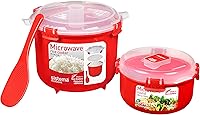
Choose the Joseph Joseph M-Cuisine set if you want a 2 liter pot for rice and grains with a locking paddle. The set includes a cooking pot, colander, measuring cup, and rice paddle.
Joseph Joseph says the paddle locks the lid for cooking and gives two carry handles. It also works as a spoon for fluffing and serving.
The pot is dishwasher safe and made for microwave use up to 900 watts. Joseph Joseph advises adjusting cooking time because microwaves vary.
This is the best fit here if your main goal is fluffy rice and grains. For a closer look at grain options, see the best rice cooker for microwave.
Who should choose the PrepSolutions Mini Microwave Steamer for Vegetable?
Choose the PrepSolutions mini steamer if you want a 2 cup single serving steamer for vegetables. It measures 7.25 x 6.25 x 4 inches and suits small meals.
PrepSolutions says the steamer basket doubles as a colander. The non-stick surface and BPA-free material make cleanup simpler.
It is dishwasher safe and made for fresh or frozen vegetables. That makes it a good practice pot for learning steam timing without a large batch.
What should you avoid when using a microwave pressure cooker?
Avoid overfilling, blocked vents, and forced lids. These mistakes cause most problems with microwave steam pots.
Do not use metal, foil, or non-microwave safe parts. For oven use, see stainless steel in an oven; microwave guidance differs.
Do not use a pot if the lid, seal, or vent is cracked or warped.
Do not cook foods your maker does not allow, such as meat, sauces, or fried foods. If you are unsure whether a pot is microwave safe, check our guide on Can You Use a Dutch Oven in a Microwave?.
How do you choose the right microwave steamer or pressure pot?
Choose by portion size, food type, and vent design. A mini steamer suits one serving of vegetables, while a 2 liter rice pot suits grains for more than one bowl.
Look for a vent you can set, a lid you can lock, and dishwasher safe parts if that matters to you. Clear lids help you check food without opening the pot.
Measure your microwave before you buy. Compare sizes in our roundup of best microwave oven steamer options.
How do you clean and store a microwave pressure cooker?
Clean the pot soon after use, while food is still soft. Rinse the pot, tray, lid, and vent area, then wash with warm soapy water or use the dishwasher if your maker allows it.
Check the vent and seal for stuck starch or food. A clogged vent can change how steam escapes, so clean that area gently and fully.
Dry parts before you stack them for storage. Store the lid checked for cracks, and replace the pot if the seal no longer sits flat.
How do you know the food is done and safe to serve?
Food is done when it reaches the texture and temperature your recipe needs, not when the timer ends. Check rice for tenderness, vegetables for softness, and fish for opacity.
Use a food thermometer for fish and other foods that need a safe internal temperature. Let the pot rest for the stated time so steam can finish the last part of cooking.
Open the lid away from your face and use oven mitts. The pot, lid, and food can stay hot after the microwave stops.
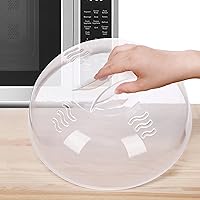
If you want less splatter while reheating leftovers, a best microwave oven food cover can help. Use it for reheating, not as a pressure lid.
How to use a microwave pressure cooker: final checks
For anyone learning how to use a microwave pressure cooker, follow your maker's fill, vent, and time notes every time. Those notes matter more than general advice.
Pick the GoodCook steamer for vegetables and fish with an adjustable vent. Pick the Joseph Joseph set for rice and grains with a locking paddle.
Pick the PrepSolutions mini steamer for one serving of vegetables.
Measure your microwave, confirm the vent path is clear, and let pressure ease before you open the lid. That habit keeps microwave steam cooking simple and safe.
Frequently asked questions
How long should pressure build in a microwave pressure cooker?
Pressure starts to build once steam fills the pot, usually after a few minutes depending on water amount, food, and wattage. Your maker's instructions give the best timing for each food, since microwaves vary widely in power and hot spots.
Can I open a microwave pressure cooker while it is still steaming?
No, wait until steam eases or the vent shows pressure has dropped, then open the lid away from your face. The lid and food can be very hot, so use oven mitts and tilt the lid to let any last steam escape.
What foods work best in a microwave pressure cooker?
Vegetables, fish, rice, grains, and small portions of stew-type foods are common uses when the maker allows them. Keep pieces small and add enough water, then follow the stated cooking times for your microwave's wattage.
Is a microwave steamer the same as a microwave pressure cooker?
No, many microwave steamers with vents do not seal or build pressure the way a true pressure cooker does. Check your maker's instructions for locking, venting, and pressure notes before you use it for pressure cooking.