
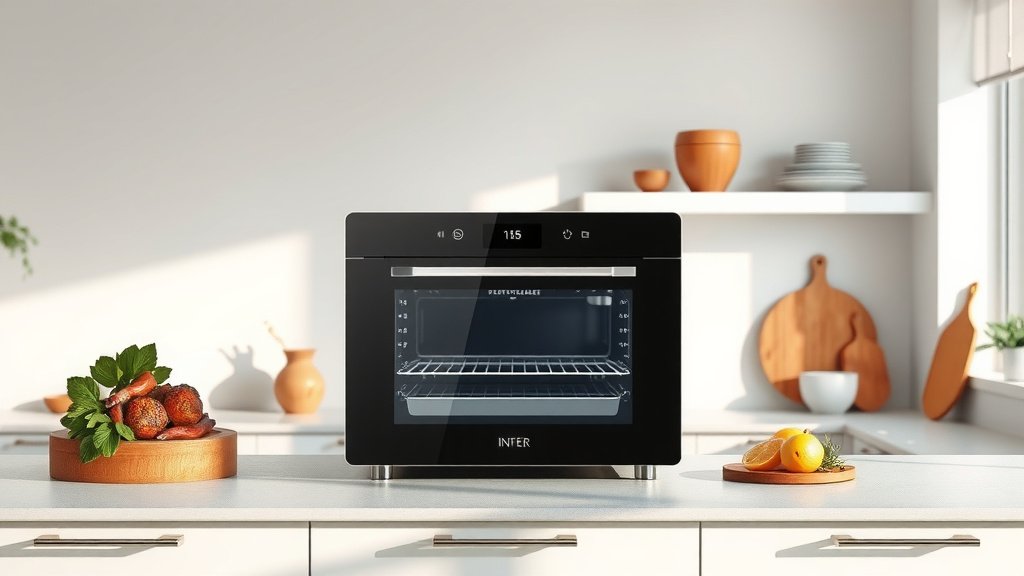
Yes, infrared ovens are generally considered safe for everyday home cooking when used correctly and according to manufacturer guidelines, similar to conventional ovens. They heat food efficiently using electromagnetic radiation, primarily in the infrared spectrum, which is different from microwave radiation.
The primary safety considerations with an infrared oven relate to managing high temperatures and ensuring proper ventilation, just like any other cooking appliance.
Here’s a quick overview of what you’ll learn about infrared oven safety:
- Infrared ovens are safe for home cooking when used as directed.
- They use radiant heat, which is different from microwave energy.
- Always follow the manufacturer’s instructions to ensure safe operation.
- Key safety aspects include managing high heat and ensuring good ventilation.
- Enjoy faster, more even cooking with peace of mind.
Is Infrared Oven Safe To Use?
Yes, infrared ovens are safe for home use when you operate them as intended by the manufacturer. They offer a great cooking experience for many families.
Understanding Infrared Technology
Before diving into safety, let’s quickly grasp what infrared cooking involves. It’s not rocket science, just a smart way to heat your food.
What is Infrared Heat?
Infrared heat is a type of radiant energy. Think of the sun warming your skin, or the glowing coals in a fireplace. That’s infrared at work.
It’s part of the electromagnetic spectrum, but it’s not the same as UV rays or X-rays. This type of heat cooks food directly.
How Does an Infrared Oven Cook?
An infrared oven uses special heating elements that emit infrared waves. These waves directly penetrate food surfaces.
This direct heating helps to cook food faster and often more evenly. It creates a crispier exterior while keeping the inside moist.
Addressing Your Safety Concerns
It’s natural to wonder about new technologies. Many people have questions about radiation and cooking methods. Let’s tackle some common worries.
Is It Like a Microwave?
No, an infrared oven is not like a microwave. Microwaves use different electromagnetic waves that excite water molecules within food.
Infrared heat cooks from the outside in, similar to a traditional oven but more efficiently. It doesn’t affect food on a molecular level like microwaves (Mayo Clinic).
Are There Harmful Rays?
Research confirms that the infrared radiation used in ovens is not harmful to humans. It’s simply heat energy.
We are exposed to infrared energy all the time from common sources like light bulbs and even our own bodies. Your oven uses a safe, controlled form of this energy.
Built-in Safety Features You’ll Find
Manufacturers design infrared ovens with your safety as a top priority. They include various features to ensure secure operation.
Temperature Control Mechanisms
Infrared ovens come with precise temperature controls. These help you set and maintain the correct heat for your dishes.
They also have thermostats that prevent overheating, shutting off elements if temperatures get too high. This is a standard safety measure.
Insulation and Exterior Safety
Just like conventional ovens, infrared models feature robust insulation. This keeps the heat inside where it belongs.
The exterior surfaces generally remain cool enough to touch, reducing burn risks. Always check your specific model’s instructions for guidance.
Tips for Safe Operation
Operating any kitchen appliance safely comes down to following a few basic guidelines. Infrared ovens are no different.
Proper Ventilation is Key
Like all ovens, infrared models generate heat and sometimes steam or smoke. Good ventilation is very important.
Always use your range hood or ensure proper air circulation in your kitchen. This helps to prevent heat buildup and keeps your air clean.
Choosing the Right Cookware
Most standard oven-safe cookware works perfectly in an infrared oven. This includes glass, ceramic, and metal baking dishes.
Always check that your cookware is rated for high temperatures. Avoid plastics or non-oven-safe materials to prevent melting or chemical release.
Avoid Overcrowding Your Oven
Giving your food space to breathe is good for cooking and safety. An overcrowded oven can lead to uneven cooking and hot spots.
It can also obstruct airflow, making the oven work harder. Cook in batches if you have many items.
Here’s a quick checklist for safe infrared oven use:
- Read your owner’s manual carefully.
- Ensure adequate ventilation is always present.
- Use only oven-safe cookware.
- Never leave the oven unattended while cooking.
- Keep the oven area clear of flammable materials.
- Clean up spills promptly to avoid smoke or odors.
Infrared Oven vs. Traditional Oven Safety
How do these ovens stack up against each other in terms of safety? Let’s look at some comparisons.
| Feature | Infrared Oven | Traditional Oven |
|---|---|---|
| Heating Method | Direct radiant heat | Convective hot air |
| Cooking Speed | Often faster | Standard speed |
| Surface Heat | High internal temp | High internal temp |
| Safety Measures | Similar to traditional | Standard safety features |
| Ventilation Needs | Important for heat/steam | Important for heat/steam |
What About Food Safety?
Cooking food to the correct internal temperature is crucial for food safety, regardless of your oven type. Infrared ovens help with this.
Ensuring Even Cooking
Many experts say that infrared ovens often provide more even heating. This can help reduce cold spots where bacteria might thrive (USDA).
Always use a food thermometer to check doneness, especially for meats and poultry. This is the most reliable way to ensure safety.
Maintaining Food Quality
Infrared heat can help food retain moisture, leading to tastier results. Some research suggests it helps preserve nutrients better due to faster cooking times.
However, this is also tied to proper cooking practices. Don’t overcook food, even in an infrared oven, to maintain quality.
Maintaining Your Infrared Oven for Safety
A well-maintained oven is a safe oven. Simple upkeep can prevent problems and extend the life of your appliance.
Regular Cleaning Routines
Spills and splatters can burn onto heating elements, causing smoke or odors. Regular cleaning prevents this.
Always let your oven cool completely before cleaning. Use non-abrasive cleaners suited for oven interiors. Wipe down surfaces often.
When to Call for Service
If you notice anything unusual, like strange noises, smells, or inconsistent heating, it’s best to call a professional.
Don’t try to fix electrical issues yourself. Professional service ensures the oven remains safe and functions correctly.
Conclusion
Infrared ovens are a wonderful addition to many kitchens, offering efficiency and great cooking results. They are generally very safe to use when you follow basic kitchen safety rules and the manufacturer’s guidance.
By understanding how they work and taking simple precautions, you can enjoy all the benefits with complete peace of mind. Just remember, common sense and proper care are your best allies in the kitchen.
Are infrared ovens bad for your health?
No, infrared ovens are not bad for your health. The infrared radiation they use is a form of heat, similar to what you feel from a warm stove or fireplace. It is not ionizing radiation like X-rays and poses no health risk (NIH).
Do infrared ovens emit radiation when off?
No, infrared ovens do not emit radiation when they are turned off. The heating elements only produce infrared energy when they are actively powered on and generating heat, just like a light bulb only glows when switched on.
Can you put aluminum foil in an infrared oven?
Yes, you can generally put aluminum foil in an infrared oven, similar to a traditional oven. However, always refer to your specific oven’s manual, as some manufacturers might have particular recommendations or warnings. Avoid direct contact with heating elements.
Do infrared ovens cook faster than conventional ovens?
Yes, infrared ovens typically cook food faster than conventional ovens. This is because they use direct radiant heat, which penetrates food surfaces more efficiently, reducing overall cooking times compared to relying solely on heated air.
How do I clean an infrared oven safely?
To clean an infrared oven safely, first ensure it is completely cool and unplugged. Wipe down the interior with a damp cloth and mild soap. For tougher messes, use an oven cleaner suitable for your oven’s interior, following the product instructions carefully. Always avoid harsh abrasives.
