
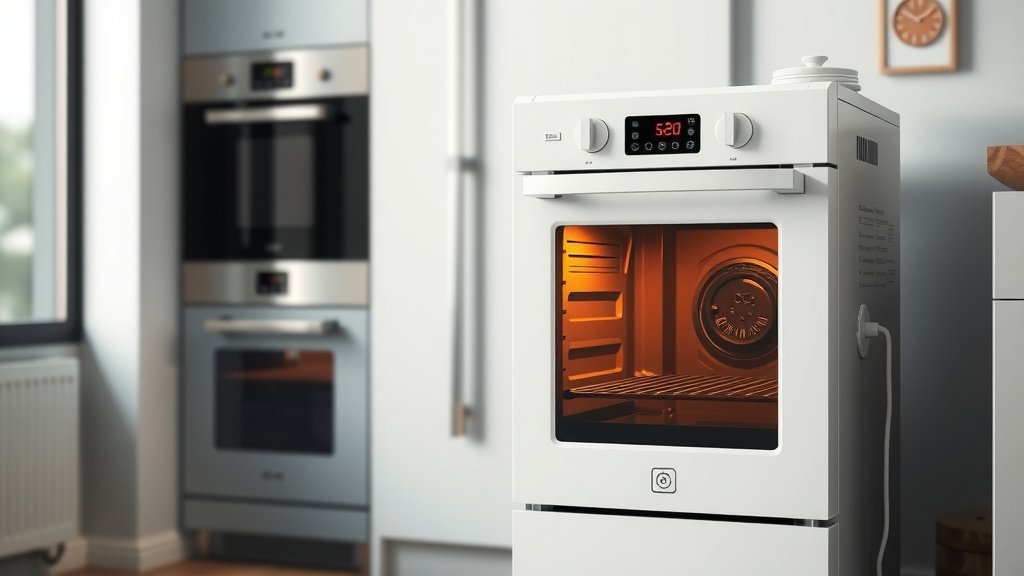
Most electric ovens for home use need a dedicated 240-volt circuit to function properly and safely.
This higher voltage allows the oven to generate enough heat for cooking, unlike smaller 120-volt appliances.
- Your home electric oven almost certainly runs on 240 volts.
- A dedicated circuit is essential for safety and performance.
- Smaller appliances use 120 volts, but ovens need more power.
- Always check your oven’s specifications for exact voltage needs.
- When in doubt, always consult a licensed electrician.
What Voltage Does An Electric Oven Need?
An electric oven typically requires a 240-volt electrical supply. This is different from many smaller kitchen appliances, which usually operate on 120 volts. That extra power is essential for getting your oven hot enough to cook your meals.
Understanding Voltage: The Power Behind Your Oven
Think of voltage as the “pressure” of electricity flowing into your home. Higher voltage means more electrical force. For your electric oven, this higher pressure translates directly into the intense heat needed for baking and roasting.
We found that most residential electric ovens are designed to connect to a specific type of circuit. This ensures they receive the correct power without overloading your home’s electrical system (U.S. Department of Energy).
Why 240 Volts?
Imagine trying to fill a swimming pool with a garden hose versus a fire hose. The fire hose, with its greater pressure, gets the job done much faster. Similarly, a 240-volt supply delivers enough energy to heat large oven elements quickly and efficiently.
This higher voltage allows the oven to draw more current without needing excessively thick wires. It’s a balance of efficiency and safety built right into the appliance design.
Dedicated Circuits: A Must for Electric Ovens
Your electric oven should always be on a dedicated circuit. What does this mean? It’s an electrical circuit that serves only one appliance: your oven. This prevents the circuit from becoming overloaded when your oven is running.
Connecting an oven to a shared circuit could lead to tripped breakers or, worse, a fire hazard. Many experts say a dedicated circuit is a primary safety measure for any high-wattage appliance (National Fire Protection Association).
What Size Breaker Do You Need?
For a 240-volt electric oven, you’ll generally need a 30-amp or 50-amp circuit breaker. The exact size depends on your oven’s specific wattage. You can usually find this information on the oven’s data plate or in its owner’s manual.
Always choose a breaker that matches your oven’s requirements. An undersized breaker will trip often, and an oversized one won’t offer enough protection if there’s a fault.
Checking Your Oven’s Specifications
Before any installation or repair, always check your oven’s label. It’s usually found on the back, side, or inside the door frame. This label will clearly state the required voltage and wattage for your specific model.
Don’t just guess! The label is your appliance’s official “birth certificate,” providing all the vital electrical information you need. We found that consulting this label can save a lot of headaches later.
What if My Oven Needs a Different Voltage?
It’s rare for modern residential electric ovens to need anything other than 240 volts in North America. If you have an older model or a specialized oven, it might vary. Always confirm the exact requirements with the manufacturer.
Trying to power a 240-volt oven with 120 volts won’t work. The oven simply won’t heat up correctly. Conversely, connecting a 120-volt appliance to a 240-volt supply would likely damage it immediately.
Installation Considerations: When to Call an Electrician
Installing an electric oven is not a DIY task for most homeowners. Dealing with 240-volt circuits requires specialized knowledge and tools. A licensed electrician can ensure your oven is wired safely and correctly.
They will verify your home’s electrical panel can handle the load and that the wiring meets all local electrical codes. This peace of mind is truly worth the investment, research often confirms (Electrical Safety Foundation International).
| Appliance Type | Typical Voltage | Dedicated Circuit? | Common Breaker Size |
|---|---|---|---|
| Electric Oven/Range | 240 Volts | Yes | 30-50 Amps |
| Microwave Oven | 120 Volts | Often Yes | 15-20 Amps |
| Toaster | 120 Volts | No (usually) | 15 Amps |
| Dishwasher | 120 Volts | Yes | 15-20 Amps |
Signs of an Electrical Problem
If your oven isn’t heating properly, or if your circuit breaker keeps tripping, you might have an electrical issue. These are often signs that your oven isn’t receiving the correct voltage or current. Don’t ignore these warning signs.
Other indicators include flickering lights when the oven is on or a burning smell from the electrical panel. If you notice any of these, stop using the oven and call an electrician right away.
Regional Differences in Electrical Systems
While 240 volts is standard for electric ovens in North America, electrical systems can vary globally. In many European and Asian countries, 220-240 volts is common for general household use, which sometimes means ovens use a different wiring configuration.
Always verify the voltage requirements for appliances purchased abroad or if you’re moving to a different country. An appliance designed for one region may not work safely in another without proper conversion.
Why Aren’t All Appliances 240 Volts?
It’s a balance of power and convenience. Many smaller appliances like blenders or toasters don’t need intense heat or continuous high power. They work perfectly well on 120 volts, making them easier to plug into standard outlets.
The cost of installing 240-volt outlets for every small device would be far too high. So, engineers design appliances for the most efficient voltage based on their function.
Maintaining Your Oven’s Electrical Health
Regular maintenance isn’t just about cleaning your oven; it also involves ensuring its electrical components are sound. Periodically, gently check the oven’s power cord for any signs of fraying or damage. A damaged cord is a serious safety concern.
Avoid placing items that could obstruct the oven’s vents, as this can lead to overheating of internal electrical parts. A well-ventilated oven is a happier, safer oven.
Checklist for Oven Electrical Safety
- Verify oven’s voltage requirement on the label.
- Ensure it has a dedicated 240-volt circuit.
- Confirm the circuit breaker matches the oven’s needs.
- Inspect the power cord for damage regularly.
- Never use extension cords with your electric oven; they are not designed for the high power draw.
- If in doubt, consult a licensed electrician.
Conclusion
Understanding the voltage your electric oven needs is key to its safe and effective operation. For most homes, this means a 240-volt dedicated circuit, essential for generating the heat you expect. Taking the time to verify these details, and calling a professional when needed, ensures your oven continues to serve you well. You’re not just cooking, you’re making sure your kitchen is a safe and efficient space for everyone.
What happens if I plug a 240-volt oven into a 120-volt outlet?
If you connect a 240-volt oven to a 120-volt outlet, it generally won’t work at all or will only produce very little heat. The oven won’t receive enough power to operate its heating elements correctly, meaning your food won’t cook.
Can a gas oven use a 120-volt outlet?
Yes, gas ovens often use a standard 120-volt outlet. This lower voltage powers the electronic controls, internal light, and igniter, while the main heating comes from the gas supply.
Is a 240-volt outlet visually different from a 120-volt outlet?
Absolutely. A 240-volt outlet typically has a different configuration of prongs and is usually larger than a standard 120-volt outlet. They are designed so you cannot accidentally plug in an appliance that requires a different voltage.
How can I tell if my home has 240-volt wiring for an oven?
The best way is to check your home’s electrical panel. Look for a double-pole circuit breaker that’s rated for 30 or 50 amps. A licensed electrician can also quickly confirm the presence and functionality of a 240-volt circuit.
Can I use an adapter to convert a 120-volt outlet to 240 volts for my oven?
No, you should never use an adapter to convert a standard 120-volt outlet for a 240-volt appliance like an oven. Adapters do not change the voltage; they only change the plug shape. This would create a serious electrical hazard and could damage your oven or home wiring.
