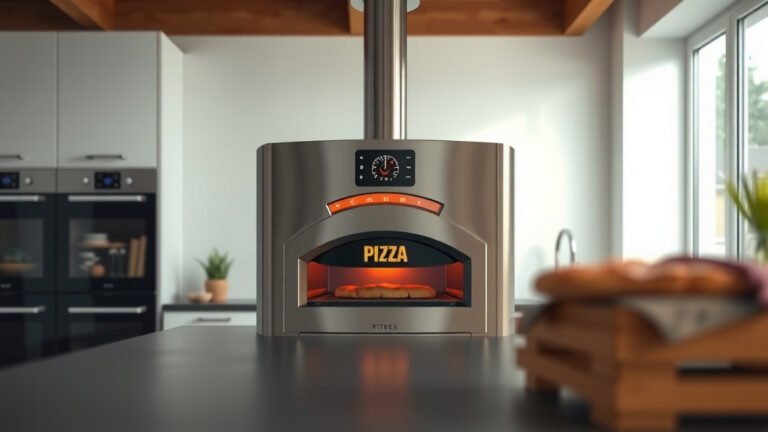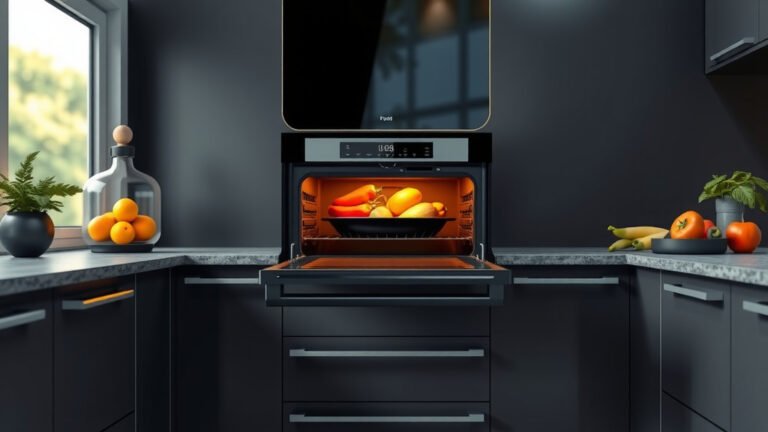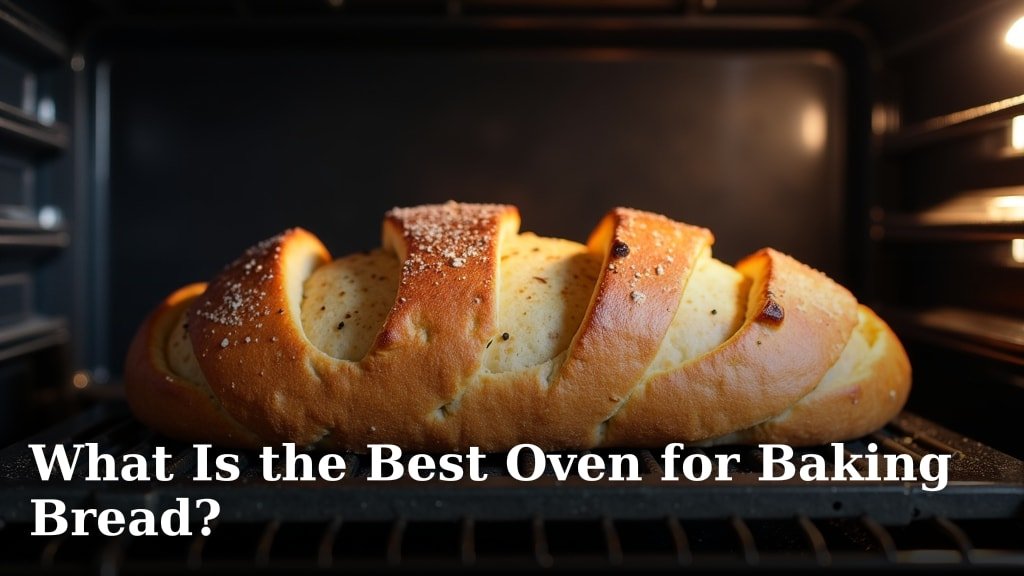
For most home bakers, the best oven for baking bread is the one you already have in your kitchen. You don’t need a fancy, expensive oven to make fantastic bread at home. The key is understanding how your oven works and how to use it effectively.
While some specialized ovens offer unique features, many experts say that a reliable conventional oven or a good Dutch oven can produce incredible results. Focus on maintaining consistent heat and creating steam to get that perfect crust and crumb. Don’t worry too much about needing a professional setup.
- Your current oven is likely the best choice for you.
- Consistent heat and steam are more important than oven type.
- Dutch ovens are excellent for home bread baking.
- Fancy features aren’t always necessary for great bread.
Ready to turn your everyday kitchen into a bread-baking haven? Let’s walk through everything you need to know to bake delicious bread, no matter your oven.
Choosing the Right Oven for Your Bread Baking Journey
The “best” oven for baking bread is often the one you already own. Focus on understanding its quirks and mastering the basics of heat and steam management.
Understanding Different Oven Types for Home Bakers
You might wonder what kind of ovens people use for bread. Home ovens come in a few main types. Each has its own strengths and weaknesses for baking bread.
Conventional Ovens: Your Everyday Workhorse
Most homes have a conventional oven. These ovens heat from the top and bottom. Air circulates naturally inside. They are perfectly capable of baking excellent bread.
- They are familiar and readily available.
- You can achieve great results with proper technique.
- They sometimes have hot spots. This means some areas get hotter than others.
- Learning your oven’s hot spots is key to even baking.
Convection Ovens: For Even Heat Distribution
A convection oven has a fan. This fan circulates hot air. This creates a very even temperature inside the oven. Many bakers love convection ovens for their consistency.
- Even heat helps bread bake uniformly.
- Browning can be quicker and more consistent.
- You might need to reduce baking
Conclusion
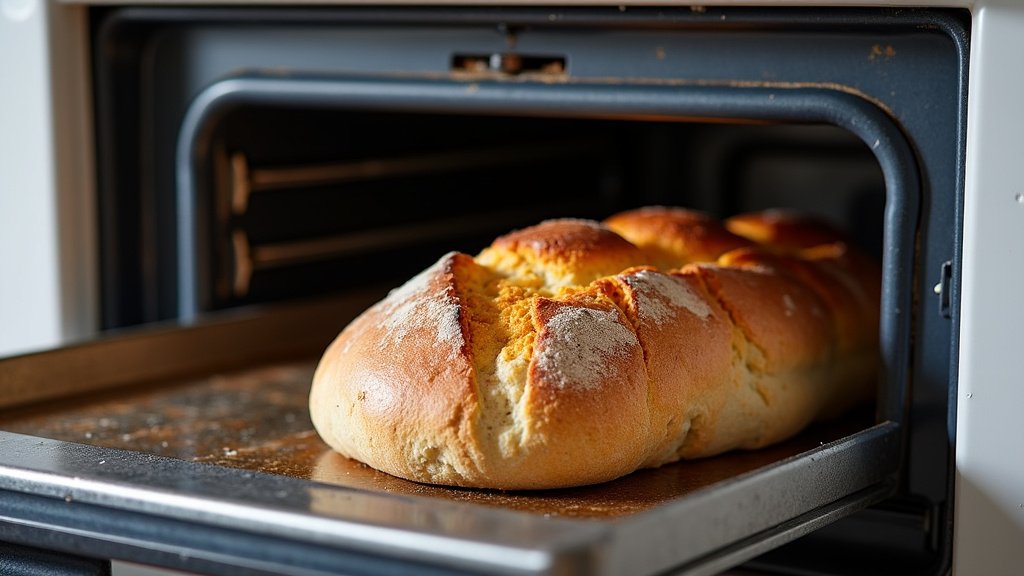
The “best” oven for baking bread is likely the one you already own. Focus on understanding its unique characteristics and mastering the fundamentals of heat and steam. Whether you have a conventional or convection oven, great bread is within your reach. Don’t chase fancy equipment; instead, hone your technique and observe how your oven performs. Your journey to perfect homemade loaves starts right in your kitchen.
Now, go forth and bake some amazing bread!
Frequently Asked Questions
Is a Dutch oven necessary for baking good bread at home?
No, a Dutch oven is not strictly necessary, but it is highly recommended. It excels at trapping steam around your dough, which is crucial for a great crust and oven spring. Many bakers find it the easiest way to get professional-level results in a home oven.
Can I bake multiple loaves of bread at once in my oven?
You can often bake multiple loaves, but be mindful of crowding. Too many loaves can reduce air circulation and create uneven baking. Give each loaf enough space for heat to circulate freely around it. You might need to rotate them for even browning.
How do I create steam in my conventional oven without a Dutch oven?
To create steam, you can place a pan of hot water on the bottom rack of your oven when preheating. Alternatively, some bakers spray water onto the oven walls with a mister at the beginning of baking. Be cautious when opening the oven and adding water.
My oven runs hot/cold. How can I compensate for this when baking bread?
You can purchase an inexpensive oven thermometer to verify your oven’s true temperature. Once you know if it runs hot or cold, you can adjust your recipes accordingly. If it runs hot, lower the temperature; if cold, raise it. Always preheat thoroughly.
Does the type of baking stone or steel matter for bread?
Yes, baking stones and steels can significantly improve your bread. They retain and transfer heat very efficiently to the bottom of your loaf, promoting a crisp crust. Baking steels generally conduct heat better and are more durable than stones, but both are effective.