
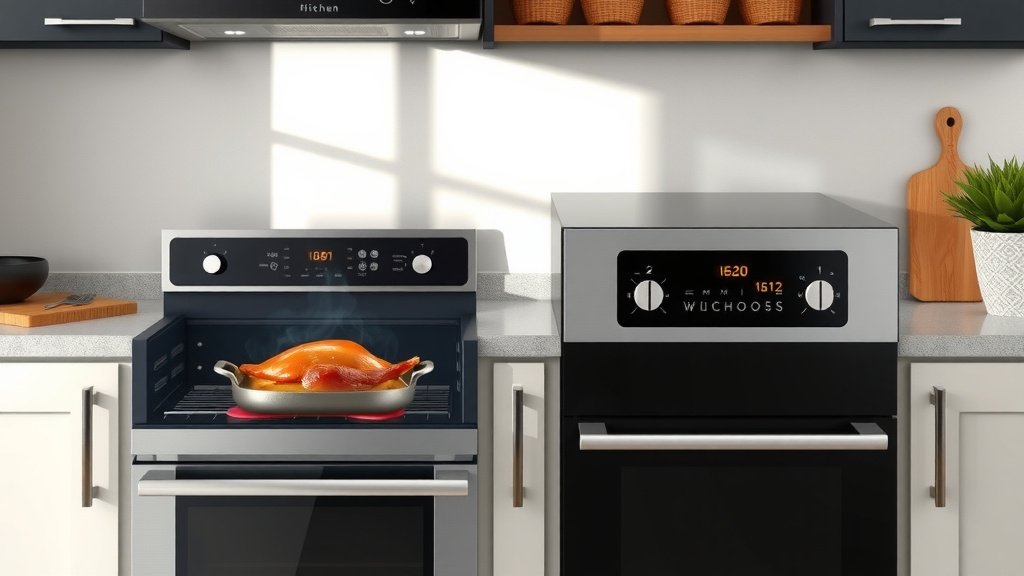
Gas ovens can indeed dry out food more than electric ovens due to their direct flame and venting process, which actively removes moisture from the cooking chamber.
Electric ovens generally create a more humid environment, helping retain food’s natural moisture content during baking and roasting.
- Gas ovens often dry food due to constant air movement and direct heat.
- Electric ovens usually keep food moist with more consistent, radiant heat.
- You can manage dryness in gas ovens with proper techniques like covering food.
- Both oven types have unique cooking advantages and disadvantages for different dishes.
- Understanding your oven helps you consistently cook delicious, perfectly moist meals.
Does Gas Oven Dry Out Food More Than Electric?
Yes, gas ovens generally create a drier environment compared to electric models. This difference largely comes from how each oven generates and distributes heat to your food.
The Science Behind Oven Dryness
Understanding why one oven type might dry food more starts with the basic physics of heat and moisture. It’s a little like understanding why a windy day feels cooler; air movement plays a big part.
How Gas Ovens Work (and Dry)
Gas ovens use a flame to heat the air inside. This combustion process produces water vapor, but it also creates exhaust gases. To remove these gases and prevent a buildup, a vent is always open.
This constant ventilation means warm, moist air is continually exiting the oven. Fresh, drier air then enters to replace it. This steady air circulation and moisture removal can unfortunately lead to drier dishes.
How Electric Ovens Work (and Keep Moist)
Electric ovens use heating elements, not a flame, to generate heat. They rely on radiant heat from these elements and convection from heated air. There’s no combustion byproduct that needs venting.
As a result, electric ovens tend to be more sealed. The moisture released from your food during cooking stays trapped inside the oven. This creates a more humid cooking environment, which keeps food moist.
Key Differences in Oven Environments
Think of it like cooking in a desert versus a rainforest. One environment naturally removes moisture, while the other holds onto it. This table highlights some key distinctions for you.
| Feature | Gas Oven | Electric Oven |
|---|---|---|
| Heat Source | Open flame combustion | Electric heating elements |
| Moisture Level | Drier, constant venting | More humid, less venting |
| Air Circulation | Higher, due to exhaust | Lower, more contained |
| Cooking Style | Great for crisping | Better for moist baking |
Why Does Moisture Matter for Your Food?
Moisture is often the secret ingredient for delicious, tender results. If your meat turns out tough or your cake is crumbly, lack of moisture could be the culprit.
For dishes like roasted chicken, a drier environment can give you crispier skin. For casseroles or baked goods, too little moisture means dry, unappetizing food. Knowing your oven helps you adapt.
Tackling Dryness in Your Gas Oven
Don’t despair if you have a gas oven! You can definitely cook moist, delicious food. It just requires a few simple adjustments and a little bit of know-how. Many experts suggest these methods.
Tips for Moist Cooking with Gas
- Cover your food: Use foil or a Dutch oven for much of the cooking time to trap steam.
- Add liquids: Place a pan of water in the oven, or add broth to your roasting pan.
- Marinate well: Give meats and poultry plenty of time to soak up moisture and flavor.
- Use a lower temperature: Cooking more slowly helps retain moisture within the food.
Choosing the Right Cookware
The right cookware can make a big difference. Heavy, covered pots like Dutch ovens or covered casserole dishes are your best friends in a gas oven. They act like their own mini humidifiers.
Glass or ceramic baking dishes also tend to hold moisture better than thin metal pans. Consider what you’re cooking and choose a vessel that helps keep moisture in, not out.
The Humid Advantage of Electric Ovens
Electric ovens naturally provide a more stable, moist heat. This makes them ideal for certain types of cooking where retaining internal moisture is key. They often give you a more even bake.
When Electric Ovens Shine
An electric oven is often preferred for baking cakes, muffins, and soufflés, where a consistent, gentle heat and trapped moisture lead to a perfect rise and tender crumb. Research often supports their consistency (NIH).
They are also excellent for delicate dishes that need precise temperature control and minimal moisture loss. Think about your grandmother’s perfect custards – they likely came from an electric oven.
It’s Not Just About Oven Type
While oven type plays a role, it’s not the only factor. Many other things affect how dry or moist your food becomes. You might be surprised by how much control you truly have.
Ingredient Quality Matters
The natural moisture content of your ingredients is critical. A high-quality cut of meat with good marbling will be more forgiving than a very lean piece. Fresh vegetables also hold more water.
Think about a fresh, plump chicken versus a thinner, older one. The fresh one starts with more moisture. Starting with good ingredients gives you a head start for juicy results.
Cooking Temperature and Time
Overcooking is arguably the biggest culprit of dry food, regardless of oven type. High temperatures for too long will always drive out moisture. Many guidelines point to using a meat thermometer (Mayo Clinic).
Always cook to the minimum safe internal temperature, not beyond. Use a thermometer to guide you. Removing food just at the right moment keeps it tender and juicy.
Balancing Moisture: Practical Solutions
You can adjust your cooking habits for either oven type to achieve better results. Here’s a quick checklist to help you keep food moist.
- Monitor cooking times closely with a timer.
- Use a reliable meat thermometer for proteins.
- Cover dishes with foil, lids, or parchment paper.
- Add moisture to the oven or dish (e.g., water pan).
- Brine or marinate meats before cooking.
- Use cooking bags or parchment packets for certain foods.
Conclusion
Ultimately, yes, a gas oven often creates a drier cooking environment than an electric oven. This is due to its constant venting of combustion gases, which pulls moisture out of the chamber. Electric ovens, with their sealed design, tend to hold moisture in, resulting in a more humid space.
However, this difference doesn’t mean you can’t cook amazing food in either! Understanding your oven’s characteristics empowers you to adjust your techniques. By using appropriate covering, adding moisture, and carefully monitoring cooking times, you can achieve wonderfully tender and moist results every time, no matter your oven type. Happy cooking!
How can I make my gas oven less drying?
You can make your gas oven less drying by covering food with foil or a lid, using a pan of water in the oven to create steam, marinating meats, and cooking at slightly lower temperatures for longer periods.
Do electric ovens add moisture to food?
Electric ovens do not add moisture directly, but their sealed design traps the natural moisture released by your food during cooking. This creates a more humid environment, which helps food retain its original moisture.
Is a convection oven better for moist food?
Convection ovens, whether gas or electric, use a fan to circulate hot air, which can actually speed up cooking and sometimes lead to more moisture loss if not managed properly. While great for even browning, you still need to be mindful of cooking times.
What types of food benefit most from a humid oven environment?
Foods that benefit most from a humid oven environment include delicate baked goods like cakes, custards, soufflés, and casseroles. This moisture helps them rise properly and prevents them from drying out or developing a tough crust.
Should I adjust recipes when switching between gas and electric ovens?
Yes, it’s often a good idea to adjust recipes when switching. You might need to add liquids, cover dishes more often, or slightly reduce cooking temperatures or times in a gas oven compared to an electric one to maintain moisture.
