
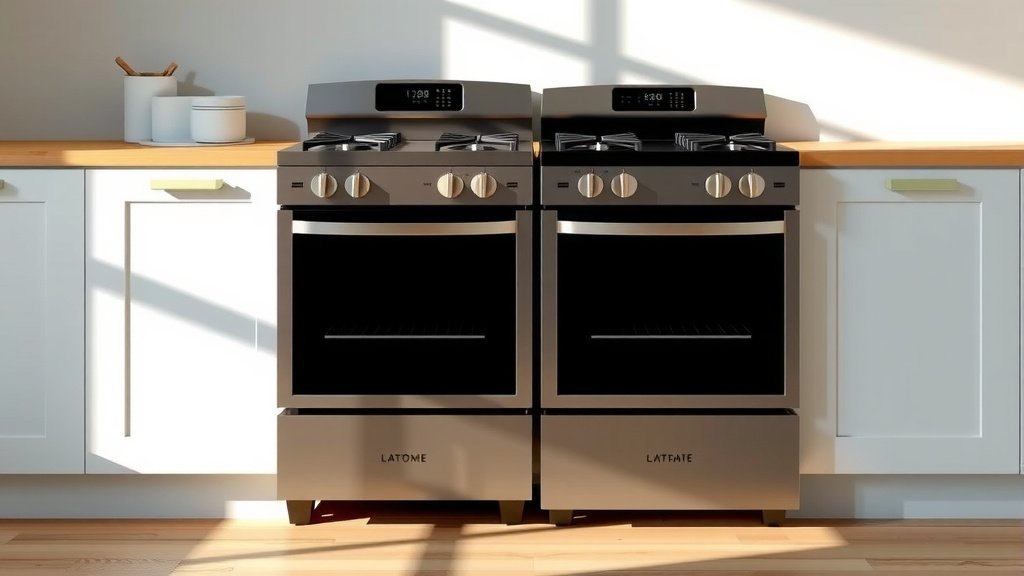
Yes, an electric oven generally cooks more evenly than a gas oven due to its consistent dry heat distribution.
This characteristic often makes electric models a preferred choice for baking delicate items like cakes and pastries.
- Electric ovens usually provide a more consistent, dry heat for even cooking.
- Gas ovens tend to have more moist heat, which is excellent for juicy roasts.
- Baking results are often superior in electric ovens; roasting often shines in gas ovens.
- Modern convection technology can greatly improve evenness in both oven types.
- Your specific cooking needs and preferences should guide your choice.
Does Electric Oven Cook More Evenly Than Gas?
Yes, electric ovens generally offer more consistent heat. This is because their heating elements maintain a steady temperature throughout the oven cavity.
Why Electric Ovens Excel in Evenness
Electric ovens use heating elements at the top and bottom. These elements cycle on and off to maintain your set temperature. This creates a very stable, dry heat, which is ideal for precise baking (Culinary Institute of America research).
The Role of Convection
Many electric ovens today feature convection fans. These fans circulate hot air throughout the cavity. This circulation smooths out temperature differences, ensuring consistent heat for beautifully uniform results.
Understanding Gas Oven Heat Distribution
Gas ovens generate heat from a flame at the bottom. This flame warms the air inside the oven. Because heat naturally rises, gas ovens often have hotter spots at the top. You might find cooler spots near the bottom, leading to uneven browning.
Moisture and Its Impact
Another unique aspect of gas ovens is the moisture they produce. The combustion of natural gas releases water vapor into the oven. This added humidity can be great for keeping roasts moist. However, it can make baked goods less crispy or prevent a perfectly golden crust.
When Does Evenness Matter Most?
Think about what you cook most often. If you bake delicate items like soufflés, cakes, or cookies, oven evenness is very important. Small temperature variations can cause these dishes to rise unevenly or bake inconsistently. For such tasks, an electric oven is often preferred.
Baking vs. Roasting: A Key Difference
When you’re baking, you want consistent, dry heat. This helps items like bread and pastries develop a good structure. Roasting, however, can sometimes benefit from the slightly more moist heat of a gas oven. The moisture helps keep meats from drying out, giving you a juicier end product.
Heat Sources: Electric Rods vs. Gas Flames
Electric ovens use glowing coils or hidden elements that radiate heat. This radiant heat spreads slowly and steadily. Gas ovens use an open flame, creating a more direct and intense heat source. This difference impacts how evenly heat spreads.
Temperature Swings in Gas Ovens
We found that gas ovens sometimes have wider temperature swings. The flame cycles on and off to maintain the set temperature. When the flame comes on, it can create a burst of heat. When it turns off, the temperature can drop a bit more. This cycling can cause slight inconsistencies in cooking.
Modern Oven Innovations
Oven technology has come a long way! Both electric and gas ovens now come with features designed to improve cooking performance. These innovations aim to tackle traditional unevenness issues, giving you better results regardless of fuel type.
Convection Technology in Both
You’ll find convection features in many new gas ovens too. Adding a fan helps circulate that hot, moist air more evenly. This can help reduce hot spots and improve overall cooking consistency, making a gas oven much more versatile (research often connects improved airflow with better heat distribution).
Smart Features for Better Cooking
Some newer ovens use multiple sensors to monitor temperature more closely. Others have algorithms that adjust heating cycles to minimize temperature fluctuations. These smart features mean you can often get excellent evenness from either fuel type.
Making Your Choice: What Matters to You?
Your choice between electric and gas really boils down to your cooking style and preferences. Do you prioritize perfect soufflés, or succulent roasts? Do you like the quick heat-up of gas, or the steady bake of electric? Think about what you typically make and what results you hope for.
| Feature | Electric Oven | Gas Oven |
|---|---|---|
| Heat Evenness | Generally More Consistent | Can Have Hot Spots |
| Moisture Level | Drier Heat | More Moist Heat |
| Best For | Baking, Delicate Dishes | Roasting, Broiling |
| Heat Up Time | Slower to Preheat | Faster to Preheat |
| Energy Cost | Can be lower (depending on rates) | Can be lower (depending on rates) |
Tips for Achieving Even Cooking
No matter what type of oven you have, there are steps you can take to improve evenness. You can get great results with a little know-how and care. Try these simple tricks:
- Preheat fully: Always let your oven reach the target temperature before putting food in.
- Rotate dishes: Turn your baking sheets or casserole dishes halfway through cooking.
- Use correct bakeware: Dark pans absorb more heat; light pans reflect it.
- Avoid overcrowding: Leave space around dishes for air to circulate.
- Keep oven clean: Spills and debris can impact heat distribution.
Final Thoughts on Oven Performance
While electric ovens often have an edge in consistent, dry heat, gas ovens bring their own benefits, especially for moisture-rich cooking. Modern technology helps bridge many of these gaps. Ultimately, understanding your oven and adapting your techniques is key to consistently delicious food.
Conclusion
In the debate over electric versus gas oven evenness, electric ovens generally come out ahead for consistent, dry heat, making them ideal for precise baking. However, gas ovens offer a distinct advantage with their moist heat, which is wonderful for roasting. Your perfect oven depends on your culinary focus and what you cook most. With today’s advancements, both types can deliver fantastic results if you know how to use them effectively.
Frequently Asked Questions
Is a convection electric oven better than a regular gas oven?
Many cooking experts agree that a convection electric oven often surpasses a standard gas oven in evenness. The circulating fan in a convection oven helps distribute dry heat more uniformly, which minimizes hot spots and promotes consistent baking and browning.
Can I make a gas oven cook more evenly?
Yes, you can improve the evenness of a gas oven. Consider using an oven thermometer to check for hot spots and rotating your food halfway through cooking. Investing in a convection gas oven, if possible, will also greatly enhance heat distribution.
Which oven type is better for baking bread?
For baking bread, an electric oven, especially with convection, is often preferred. The consistent dry heat helps develop a strong crust and even crumb. While gas ovens can bake good bread, their moisture can sometimes affect crust development.
Do electric ovens heat up faster than gas ovens?
No, gas ovens typically heat up faster than electric ovens. The direct flame of a gas burner brings the oven to temperature more quickly. Electric ovens, with their radiant heat, tend to preheat at a slower pace.
Is one oven type more energy efficient than the other?
The energy efficiency of electric versus gas ovens can vary based on local utility rates and oven model. Generally, electric ovens might be slightly more energy-efficient in terms of heat retention, while gas ovens often heat up faster, using less energy for preheating. We found that the overall cost depends a lot on your specific usage and energy costs in your area.
