
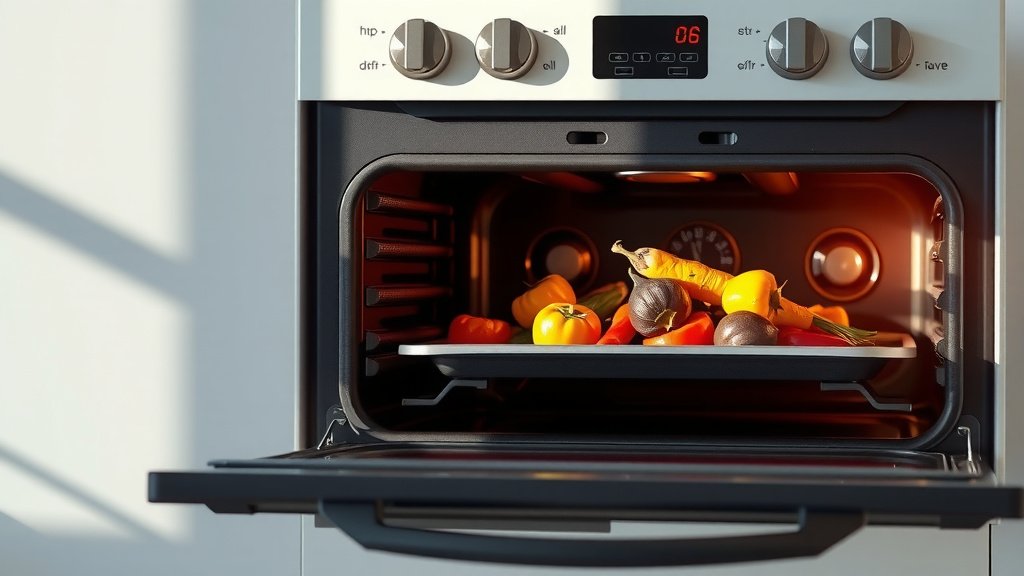
To cook vegetables at high heat in a gas oven, preheat your oven to 400-450°F (200-230°C) for at least 20 minutes.
Then, toss your prepared vegetables with oil and seasonings, spread them in a single layer on a baking sheet, and roast until tender-crisp and beautifully caramelized, typically 15-30 minutes.
Here’s the quick scoop on high-heat gas oven vegetable roasting:
- Achieve perfect vegetables by using high temperatures, around 400-450°F.
- Gas ovens need good preheating; ensure they are fully hot before adding food.
- Properly cut, oiled, and seasoned vegetables are key for great flavor and texture.
- Avoid overcrowding your baking sheet for the best caramelization and even cooking.
- Watch your vegetables closely to prevent burning, as high heat cooks quickly.
How To Cook Vegetables At High Heat In Gas Oven?
Cooking vegetables at high heat in a gas oven creates a wonderful combination of crispiness and tenderness. It helps the vegetables develop rich, caramelized flavors that are hard to beat.
The key is understanding your oven and preparing your ingredients just right for the best results every time.
Why High Heat Works Wonders
Why choose high heat? This cooking method brings out the natural sugars in vegetables, leading to a beautiful caramelization. It results in a slightly crisp exterior and a tender, flavorful interior.
Think about roasted broccoli or carrots with those slightly charred, sweet edges. High heat cooking makes this magic happen quickly.
Understanding Your Gas Oven’s Power
Gas ovens can be powerful. Many home cooks appreciate their ability to heat up quickly and provide a good char. However, they sometimes have hot spots or uneven heating.
Always allow your gas oven ample time to preheat completely. We found that giving it 20-30 minutes ensures a more consistent temperature throughout (USDA).
Taming the Gas Oven’s Heat
Do you ever notice some areas in your gas oven cook faster? This is normal. To manage this, you might need to rotate your baking sheet halfway through cooking.
Using an oven thermometer can also help confirm your oven’s actual temperature. It ensures you are indeed cooking at the desired high heat.
Selecting Your Veggies for Roasting Success
Almost any vegetable can be roasted, but some shine brighter at high heat. Root vegetables like potatoes, carrots, and sweet potatoes are excellent choices.
Heartier greens like broccoli, cauliflower, and Brussels sprouts also become incredibly delicious and crispy. We found that firmer vegetables hold up better to intense heat.
Cut Uniformly for Even Cooking
This is a small tip that makes a huge difference: always cut your vegetables into similar-sized pieces. If some are tiny and some are large, the smaller ones will burn while the larger ones remain raw.
Aim for pieces that are roughly 1-2 inches for most vegetables. This helps everything cook evenly and finish at the same time.
The Essential Oil and Seasoning Combo
Oil is not just for preventing sticking; it helps conduct heat and promotes that lovely caramelization. It also helps the seasonings stick to your vegetables.
Don’t be shy with your seasonings! This is where you can truly make your roasted vegetables sing with flavor.
Choosing the Right Oil
For high-heat roasting, you need an oil with a high smoke point. Olive oil is a popular choice, and while it works, avocado oil or grapeseed oil are even better for higher temperatures.
Many experts say about 1-2 tablespoons of oil per pound of vegetables is a good starting point. Adjust based on how much moisture your vegetables naturally contain.
Flavorful Seasoning Ideas
Simple salt and pepper are always a good base. From there, the possibilities are endless! Garlic powder, onion powder, paprika, dried herbs like rosemary or thyme work well.
Do you like a little kick? Add some red pepper flakes. A pinch of cumin or coriander can also introduce a delightful warmth to your roasted veggies.
Prepping Your Pan for Perfect Roasting
A good baking sheet is your best friend here. Metal sheets conduct heat efficiently, which is exactly what we want for roasting.
Lining your pan with parchment paper or foil makes cleanup a breeze and prevents sticking. This is a common practice we found in many home kitchens.
The Art of Spreading: No Crowds Allowed
This might be the most important rule for high-heat roasting: do not overcrowd your pan. If vegetables are piled on top of each other, they will steam instead of roast.
Steamed vegetables are fine, but they won’t get that delicious, crispy texture. Give your vegetables room to breathe and brown beautifully. You might need to use two baking sheets.
Roasting Times and Temperature Guide
The ideal temperature range for high-heat roasting is typically 400-450°F (200-230°C). Cooking times vary depending on the vegetable type and cut size.
Generally, you’re looking at 15-30 minutes for most vegetables. Here is a simple guide for common choices:
| Vegetable Type | Approx. Oven Temp | Approx. Roasting Time |
|---|---|---|
| Broccoli/Cauliflower florets | 400-425°F | 15-20 minutes |
| Brussels Sprouts (halved) | 400-425°F | 20-25 minutes |
| Carrots (1-inch pieces) | 400-425°F | 20-30 minutes |
| Potatoes/Sweet Potatoes (1-inch cubes) | 425-450°F | 25-35 minutes |
| Bell Peppers/Onions (sliced) | 400°F | 15-20 minutes |
Knowing When Your Veggies Are Done
How can you tell when your vegetables are perfect? Look for a few key signs. They should be tender when pierced with a fork but still have a little bite.
You’ll also see some nice browning and caramelization on the edges. That’s the signature high-heat roasted look and flavor you are aiming for.
Troubleshooting Common High-Heat Roasting Issues
Sometimes things don’t go perfectly. Here are a few quick fixes for common problems:
- Veggies are mushy, not crispy: You likely overcrowded the pan. Use more pans next time!
- They’re burning too fast: Your oven might run hot, or the pieces are too small. Reduce temperature slightly or cut larger.
- Uneven cooking: Rotate the pan halfway through the cooking process.
- Lack of flavor: Don’t skimp on oil and seasonings. Make sure your spices are fresh.
Consider this quick checklist before you start your next batch:
- Preheat oven completely?
- Veggies cut uniformly?
- Enough oil and seasoning?
- Single layer on the baking sheet?
- Ready to rotate pan if needed?
Conclusion
Roasting vegetables at high heat in a gas oven is a fantastic way to bring out their best qualities. It creates a simple side dish or a vibrant addition to any meal.
Remember to prepare your oven and your ingredients with care. With these practical tips, you can enjoy perfectly roasted, flavorful vegetables every time.
Frequently Asked Questions
Is 450°F too hot for roasting vegetables?
No, 450°F is often an ideal temperature for high-heat roasting vegetables. It helps them caramelize quickly and develop a crisp exterior without becoming mushy. For very delicate vegetables, you might prefer a slightly lower temperature, around 400°F.
What vegetables are best for high-heat roasting?
Heartier vegetables with a lower water content typically do best with high-heat roasting. Excellent choices include potatoes, sweet potatoes, carrots, parsnips, Brussels sprouts, broccoli, cauliflower, and bell peppers. These vegetables develop a delightful sweetness and char.
Should I use convection bake for roasting vegetables in a gas oven?
Using the convection setting in a gas oven can be very effective for roasting vegetables. Convection circulates hot air, which can lead to faster cooking and even crispier results. If you use convection, you might need to reduce the temperature by 25°F and reduce cooking time slightly, as found in many cooking guides.
How do I prevent vegetables from sticking to the baking sheet?
To prevent sticking, always toss your vegetables thoroughly with oil before placing them on the baking sheet. Additionally, line your baking sheet with parchment paper or aluminum foil. These methods create a non-stick surface and make cleanup much easier after cooking.
Can I mix different types of vegetables when roasting at high heat?
Yes, you can mix different vegetables, but it’s best to combine those with similar cooking times and preferred temperatures. For instance, root vegetables and sturdy greens often roast well together. If you mix vegetables with vastly different cooking requirements, some might overcook while others remain undercooked.
