Electric Range vs Induction Range: Which Should You Choose? (October 2026)
Choose a radiant electric range for familiar coil cooking and an induction range for fast, direct pan heating. Your cookware, budget and kitchen setup can decide which style fits.
On this page (6 sections)
Choose a radiant electric range for familiar coil cooking and an induction range for fast, direct pan heating. In an electric range vs induction range comparison, cookware compatibility, surface care and installation needs can matter as much as cooking speed.
A radiant range heats a coil or a glass cooktop, then transfers heat to the pan. Induction uses a magnetic field to heat a compatible pan directly.
If you're choosing a complete range, compare the cooktop and oven as a pair. If you're repairing an existing stove, first identify its heating element and model.
 Best for radiant burner repair
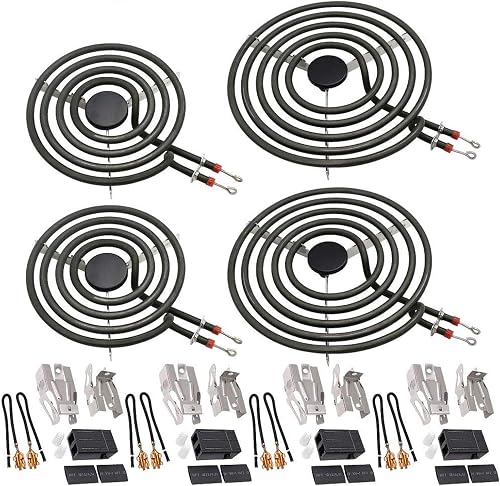
Beaquicy 【2026 UPGRADED】MP22YA Electric Range Burner Element
 Best for compact electric cooking
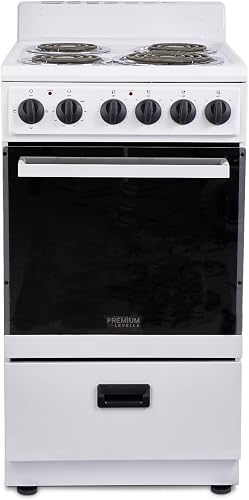
Premium Levella PRE2025GW 20 in Freestanding Electric
Electric range vs induction range: how does each heat a pan?
Radiant electric heats the cooking surface; induction heats compatible cookware. That difference affects how quickly the pan responds and how much heat remains on the cooktop after cooking.
A coil range exposes metal heating elements above the surface. A smooth-top radiant range hides the element beneath glass, but the glass itself gets hot as it transfers heat.
Induction also has a glass surface, yet the pan receives heat from the magnetic field. The cooktop can still become warm from contact with the pan, so don't assume it stays cool.
What does electric range mean in this comparison?
Here, “electric range” means a conventional radiant electric range with coil or radiant glass burners. It doesn't refer to every range powered by electricity, since induction ranges also use electric power.
For more on the oven side of an electric range, see how an electric oven works. The oven and cooktop are separate systems, even when they share one appliance.
Can you use the same pans on induction?
You can use a pan on induction if its base is magnetic and the pan suits the cooktop's instructions. A magnet that sticks to the bottom is a quick first check.
Radiant electric works with a wider range of pan materials, as long as the cookware is safe for the surface and sits steadily on the burner. Pan shape and flatness still affect contact and cooking results.
Which range responds faster to heat changes?
Induction usually responds more directly when you change a setting, while radiant electric surfaces can take longer to heat up and cool down. The pan and range model affect the result, so treat this as a design difference, not a guaranteed cooking time.
With radiant electric, the element heats first and the pan follows. After you lower the setting, stored heat in the element and surface can continue warming the pan for a while.
Induction reduces that lag by directing energy into the pan. This can help when simmering or switching from a high setting, but you still need to watch food and adjust the controls.
How does induction compare with a gas flame?
Induction and gas both let you change heat quickly, though they transfer heat in different ways. Induction requires compatible cookware and an electrical connection, while gas needs a gas supply and its own ventilation and safety setup.
For another range comparison, read how a dual fuel oven compares to an induction range. It can help if you're weighing a gas cooktop with an electric oven against an all-electric option.
Which cooktop is easier to clean?
A smooth glass surface is usually simpler to wipe than exposed coils, and induction can leave less residual cooktop heat after cooking. Spills still need prompt care on either glass surface.
Coil ranges have raised elements and drip pans that can collect crumbs and splashes. A smooth radiant or induction cooktop gives you a flat surface, but you must use cleaners and tools the manual allows.
Don't put cookware or cleaning supplies on a hot surface. Check the indicator lights and the range manual, since residual heat and cleaning directions vary by model.
Which is more practical for a small kitchen?
Choose by the range's exact width, oven capacity, power needs and clearance requirements. “Electric” or “induction” alone doesn't tell you whether a model will fit the room.
The Premium Levella PRE2025GW is a 20 in freestanding electric range with 4 coil burners and a 2.2 cu ft oven. It also has a lower storage drawer, and its power cord is not included.
Before buying any range, measure the opening and delivery route. Confirm the outlet or circuit requirements, clearance, and whether the needed cord or other installation parts are included.
Induction models vary in width and oven capacity just as radiant models do. Compare the exact model specifications and installation guide rather than assuming one cooking style takes less room.
What should you check before replacing a radiant burner?
Match the replacement burner to the range model, bracket shape and receptacle before ordering. A burner that looks close may still fail to sit flat or connect correctly.
The Beaquicy MP22YA set includes 2 8 in elements, 2 6 in elements and 4 receptacle kits. Its compatibility information names select Whirlpool, Kenmore, Hardwick, Maytag and Norge ranges, and says it does not fit GE or Hotpoint stoves.
The set has a Y-shaped bracket, so compare the bracket and dimensions with the part you're replacing. Follow the range manual and disconnect power before any repair; contact a qualified technician if you're unsure how to work safely.
An induction range doesn't use these plug-in radiant elements. If you're switching cooking styles, compare the complete range and installation needs rather than shopping for a replacement coil.
Which range should you choose?
Pick radiant electric if you want familiar coil or glass cooking and broad cookware compatibility; pick induction if your pans are magnetic and direct heat control matters most. Check the specific range's dimensions and electrical requirements before deciding.
Choose a coil model when easy-to-recognize elements and compatible replacement parts are a priority. Choose a smooth radiant model if you want a flat surface but prefer conventional electric heating.
Choose induction when you have compatible pans or are ready to replace cookware that won't work. It can respond quickly to setting changes, while its surface still needs careful cleaning and attention to heat indicators.
For a small kitchen, compare oven capacity, width, storage and included installation items alongside the cooktop. The right electric range vs induction range choice is the one that fits both your cooking habits and the space.
Frequently asked questions
Is an electric range the same as an induction range?
An induction range is an electric range, but it heats cookware differently. Radiant electric ranges heat a coil or glass surface, which then heats the pan; induction uses a magnetic field to heat compatible cookware directly.
Do induction ranges need special cookware?
Induction needs cookware with a magnetic base. Test a pan with a magnet: if it sticks firmly to the bottom, the pan is more likely to work.
Check the range instructions and cookware details before replacing a full set.
Which range is easier to clean?
Both styles can have a smooth glass cooktop, but induction often leaves less residual surface heat because it heats the pan directly. Spills can still bake onto a hot surface, so clean either cooktop according to its manual.
Can I replace a radiant electric range with induction?
You may be able to, but first check the cabinet opening, electrical requirements and the new range's installation instructions. Induction also requires compatible cookware, so include those replacement needs in your decision.
Does induction cook faster than radiant electric?
Induction can heat compatible cookware quickly because energy goes directly into the pan. Actual results depend on the range, pan and cooking task, so compare the exact models and follow their manuals for use.


