How Long Does a Cast Iron Dutch Oven Last?
On this page (5 sections)
A cast iron Dutch oven can easily last a lifetime with proper care. In fact, many are handed down through generations as kitchen heirlooms.
Your Dutch oven’s longevity depends on a few key things. We found the main factors are the initial quality of the cast iron and your consistent maintenance. Think of it as a one-time purchase that serves you for decades.
- With good care, it can last 50+ years or even a lifetime.
- The main enemy is rust, which is preventable with proper seasoning and drying.
- Chips or cracks can happen but rarely ruin the pot for most cooking.
- Your daily habits matter more than the brand you buy.
- A well-maintained pot improves and develops better non-stick properties over time.
Below, we break down everything you need to know about maximizing your pot’s lifespan. Let’s explore the simple steps to make it your forever cooking companion.
The Expected Lifespan of a Cast Iron Dutch Oven
Most cast iron Dutch ovens last 50 years or more with basic care. Many families pass them down for generations. This isn’t just a cooking pot; it’s a potential heirloom.
We found that with consistent maintenance, your pot can outlast many modern appliances. Think of it as a kitchen workhorse that only gets better with age. So, what’s the secret to such incredible longevity?
What Really Determines Its Durability
Your Dutch oven’s lifespan isn’t random. It hinges on two main things: how it was made and how you treat it. Let’s break them down.
The Role of Manufacturing Quality
A well-cast pot starts strong. High-quality cast iron has fewer imperfections like air bubbles. Research from metalworking experts shows that a dense, even casting resists cracking better.
Heavier pots often hold heat more evenly. But weight alone isn’t everything. The thickness of the walls also matters for heat distribution and durability.
Why Your Daily Habits Matter Most
You control the pot’s fate more than the brand does. Simple, daily choices add up over decades. It’s like brushing your teeth—consistency is everything.
Avoid sudden temperature shocks, like putting a hot pot in cold water. That can cause warping. Also, never let it air dry without wiping it first.
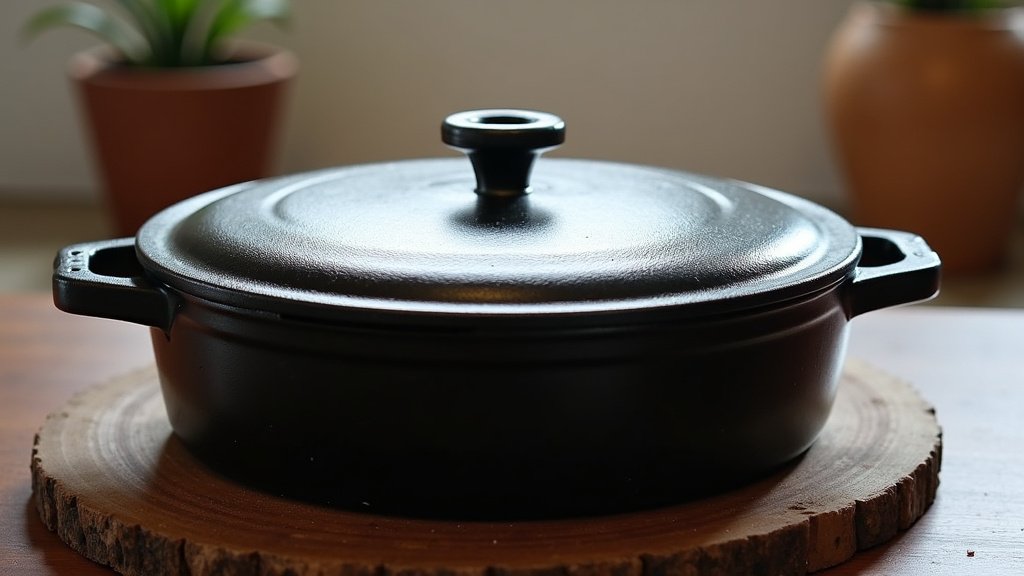
Steps to Ensure It Lasts Decades
You don’t need complex routines
Conclusion
Your cast iron Dutch oven is built to last a lifetime, but its future depends on you. We found that consistent, simple care beats any brand name. By focusing on proper seasoning, gentle cleaning, and avoiding extreme temperature shocks, you transform your pot into a true kitchen heirloom. It will develop a better non-stick surface with each use. The real secret is daily habit, not a one-time fix. Your next step is straightforward: start a simple maintenance routine today, and your Dutch oven will reward you with decades of reliable, delicious meals.
Frequently Asked Questions
How do I know if my cast iron Dutch oven is still good to use?
You can usually tell by looking at the surface. Small chips or minor rust spots are often fixable with re-seasoning. Avoid cooking if you see deep cracks or significant warping that affects the lid seal.
Should I oil my Dutch oven every time I use it?
Yes, a light oiling after cleaning helps maintain the seasoning layer. This prevents rust and keeps the surface non-stick. Research shows regular, thin oil applications are better than occasional heavy coats.
Can I store my Dutch oven with the lid on?
We recommend storing it with the lid slightly ajar or off completely. This allows air to circulate and prevents any trapped moisture from causing rust. You can place a paper towel inside to absorb any humidity.
Is it safe to use metal utensils in a cast iron Dutch oven?
Yes, metal utensils are generally safe once you have a well-seasoned pot. They won’t damage the seasoned surface like they might on non-stick pans. Just avoid using sharp tools that could gouge the iron.
What’s the best way to remove stubborn stuck-on food?
Simmer some water in the pot for a few minutes to loosen the food. Then use a stiff brush or scraper while it’s warm. Avoid harsh soaps or abrasive pads that can strip the seasoning.