How Sharp Should a Pizza Cutter Be?
A pizza cutter is sharp enough when it rolls through crust and cheese in one smooth pass without tearing or pressing hard. If it drags, folds toppings, or leaves ragged edges, the blade needs cleaning, honing, or replacement.
On this page (10 sections)
- Is a pizza cutter sharp enough for a clean cut?
- What does useful sharpness look like on a wheel cutter?
- What does useful sharpness look like on a straight blade?
- How do you test is pizza cutter sharp without cutting yourself?
- What are the clear signs of a dull pizza cutter?
- Can you sharpen a pizza cutter at home?
- How do you keep a pizza cutter sharp and safe?
- Which cutter style suits which pizza?
- What role do oven setup and pizza size play in sharpness?
- When should you replace a pizza cutter instead of sharpening it?
A pizza cutter is sharp enough when it rolls through crust and cheese in one smooth pass without tearing or pressing hard. If it drags, folds toppings, or leaves ragged edges, the blade needs cleaning, honing, or replacement.
This guide explains useful sharpness in plain terms. You will learn signs of a dull cutter, how to test an edge safely, and how to keep a wheel or straight blade working well.
Is a pizza cutter sharp enough for a clean cut?
Yes, it is sharp enough when the edge slices with light, steady pressure. A good cutter should part cheese, sauce, and crust without pushing toppings aside.
Try a real pizza first, since cheese and sauce affect how any blade feels. Make one straight pass across a cooked pie and check the line.
A clean line with no torn cheese means the edge is doing its job.
Clean the wheel or blade before you judge it. Dried cheese and oil can make a sharp edge feel dull.
Wash it with warm soapy water, scrub the pivot area, and dry it fully.
What does useful sharpness look like on a wheel cutter?
Useful sharpness means a thin, even edge that rolls without slowing down. The wheel should spin freely and track straight when you roll it forward.
Hold the cutter at a slight angle and roll it in one direction. If the wheel sticks, skips, or needs force to start moving, grit or a dull spot may be the cause.
Clean the axle and check for trapped food.
A sharp wheel still has a fine point at the leading edge. It should feel like it wants to cut, not like it needs to be pushed.
Light hands help you keep slices even and stop toppings from shifting.
What does useful sharpness look like on a straight blade?
Straight blades, including rocker and axe style cutters, should slice down through crust with modest pressure. The edge should be smooth along its length, with no visible nicks that catch on food.
Run the blade down, then lift and repeat in a rocking motion if your style allows it. A sharp blade will cut the base without crushing the crumb.
A dull blade will compress the crust and smear sauce.
Check the edge in good light before use. Look for shiny wear lines, rolled metal, or chips.
You cannot feel an edge safely with a fingertip, so use visual checks and real cutting tests instead.
How do you test is pizza cutter sharp without cutting yourself?
Test sharpness on food, not on your skin. Use a cooked crust, a piece of cardboard, or a sheet of paper and watch how the edge behaves.
A paper test can give a quick clue. A sharp edge will slice paper cleanly with a light roll or press.
A dull edge will drag, fold, or tear the paper instead of cutting it.
Keep your fingers well behind the cutting line during every test. Set the cutter down on a stable surface when you finish.
Never wipe the edge with a cloth held in your palm, since the cloth can slide into the blade.
What should you check before you test?
Check for a clean, dry edge and a wheel that spins freely. Remove dried cheese, sauce, and crumbs from the pivot and the blade faces.
Look for damage before you cut. A nicked wheel, loose handle, or cracked guard can make even a sharp cutter unsafe to use.
Set damaged tools aside and choose a safe option.
What are the clear signs of a dull pizza cutter?
A dull cutter tears more than it cuts. Cheese strings get longer, the crust folds under the wheel, and toppings move to one side of the line.
You may also need extra passes to finish a slice. One confident roll should do most of the work on a hot pizza.
Sawing back and forth often means the edge has lost its bite.
Listen and feel for drag. A sharp wheel glides, while a dull wheel may squeak, stall, or leave a pale groove instead of a full cut.
Clean the tool and test again, since residue can mimic dullness.
The blade may also look worn in bright light. A polished, rounded edge reflects more light than a fresh sharp edge.
That visual clue, paired with poor cutting, points to sharpening or replacement.
How do you tell dullness from a thick crust?
Thick crust needs a little more force, but it still should cut without tearing. Press the edge in slowly and let it work through the base.
If the cheese cuts but the crust folds, the edge may be dull or the crust may be very soft. Try a cooler, firmer slice for a fair test.
A sharp cutter will handle both, though soft crust will always deform a bit.
Can you sharpen a pizza cutter at home?
Some cutters can be sharpened, and some should be replaced. It depends on the blade shape, steel type, and whether the edge is nicked or just dull.
Wheel cutters are often hard to sharpen evenly with household tools. A small honing tool may help a plain steel wheel, but uneven pressure can round the edge, so follow the maker guidance for your exact model.
Straight carbon steel blades are usually easier to hone. Use a flat stone or rod with light, even strokes, then clean and dry the blade.
Stop if you create a burr, since a rough edge will tear food and feel less safe. If the wheel wobbles, the pivot is loose, or the edge has deep nicks, replacement is the safer choice.
How do you keep a pizza cutter sharp and safe?
Keep the edge clean and dry after each use. Wash it promptly so cheese and sauce do not harden on the blade or around the wheel.
Dry the cutter fully before storage. Water left on carbon steel can cause spots and rust, while trapped moisture in a pivot can slow the wheel.
A quick towel dry helps both types last longer.
Store the edge where it will not hit other tools. A guard, sheath, or hanging slot protects the edge and your hands.
Dull edges often come from banging around in a drawer, so separation matters.
Use the right surface for the job. Our guide on whether you can you use a pizza cutter on a pizza stone explains how hard surfaces affect the edge.
A board or tray gives you more control.
Which cutter style suits which pizza?
Wheel cutters suit most home pizzas and are easy to steer. They work well for round pies, thin crusts, and quick slices at the table.
Straight blades suit thick crusts and deep dish styles where a wheel may struggle. A long blade can reach across a wide pie without lifting and repositioning as often.
Our best large pizza cutter guide covers sizes for bigger pies.
Rocker style blades use a back and forth motion that many cooks find fast and need a stable board to keep slices even. If you like a serving edge attached, compare a best pizza cutter and server for a combined tool.
A best stainless steel pizza cutter may suit frequent washing since stainless steel resists rust, while carbon steel can take a very fine edge but needs more drying.
How do you pick a cutter for outdoor ovens?
Outdoor ovens make thick, hot crusts that need a strong, steady edge. A long straight blade or a large wheel can handle the job without forcing your wrist.
Your setup matters as much as the cutter. Our pizza oven accessories guide covers boards, peels, and stands that keep hot pizzas stable while you cut.
A stable surface helps a sharp cutter do clean work.
What role do oven setup and pizza size play in sharpness?
Sharpness is only part of a clean cut. Pizza size, crust thickness, and surface stability change how much force you need.
A very wide pie may need a longer blade or a second pass. Our article on How Thick Should Pizza Oven Floor Be? covers oven setup that affects crust texture, and a better baked crust cuts more cleanly with any sharp edge.
Hot cheese can also hide dullness by melting under pressure. Let the pizza rest for a minute or two so cheese sets slightly, then the edge will slice instead of smearing.
Heat retention matters too, since a dull cutter takes longer and lets the pie cool. A door can help hold heat during baking, as discussed in our post on Can A Pizza Oven Be Used Indoors?.
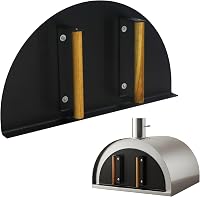
The SIMOND STORE door measures 20 inches wide by 11 inches high and uses 304 grade stainless steel. It includes wooden handles that stay cooler to the touch while you place it against the oven opening.
The WEASHUME cart measures 31.5 by 24 by 35.5 inches and has a top load capacity of 440 lb. Its wheels lock, which helps keep the surface still while you slice a hot pizza.
The Generic handmade cutter has a 10 inch high carbon steel blade, an ash wood handle, and a leather sheath for storage. It is hand wash only, so dry it fully after cleaning to protect the carbon steel.
When should you replace a pizza cutter instead of sharpening it?
Replace the cutter when the edge is nicked, the wheel wobbles, or cleaning no longer restores a smooth cut. Those problems affect safety and slice quality at the same time.
Also replace it if the handle feels loose or cracked. A sharp edge needs a firm grip to stay controlled on a hot, round pizza.
A weak handle makes even a sharp blade risky.
Keep one spare cutter in the kitchen if you serve pizza often. That way you can swap tools right away and sharpen or replace the dull one without rushing.
Frequently asked questions
How do I know if my pizza cutter is sharp?
It is sharp if it cuts crust cleanly with light pressure and leaves no torn cheese or folded dough. Dragging, tearing, or needing to saw back and forth are clear signs it is dull.
Clean it first, then test again on a fresh crust.
Can a dull pizza cutter be sharpened?
Some steel blades can be honed or sharpened with the right tool, but many wheel cutters are hard to sharpen evenly at home. Check the maker guidance for your model before you try.
If the edge is nicked or the wheel wobbles, replacement is safer.
Is a very sharp pizza cutter dangerous?
A sharp cutter is easier to use safely because it needs less force, but it can still cut skin quickly. Store it with a guard or sheath, wash it away from other utensils, and dry it fully.
Keep fingers behind the wheel while you roll.