
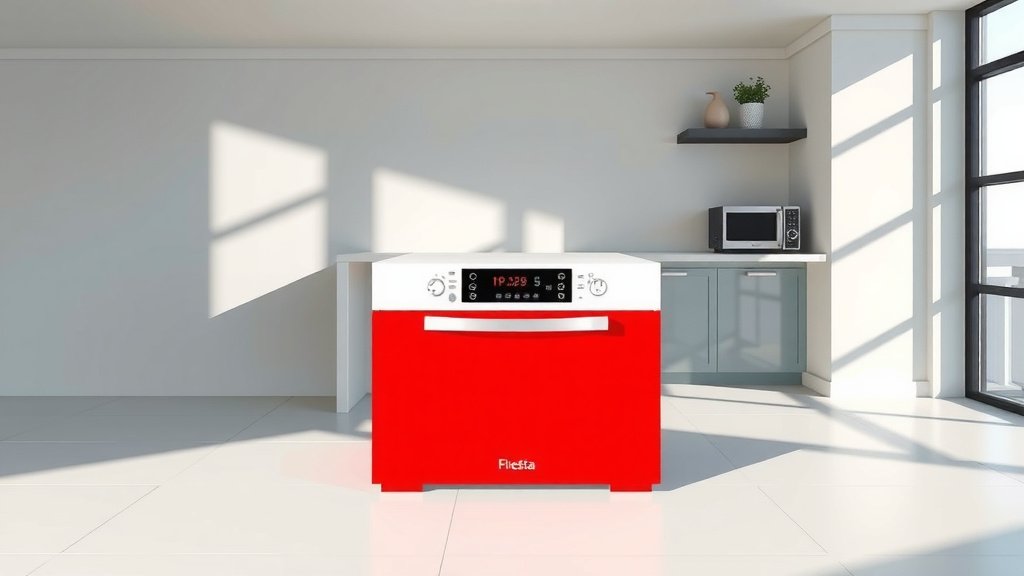
A countertop infrared oven is a compact kitchen appliance that uses infrared radiation to cook food. It works by directly heating the surface of your food, which helps achieve faster cooking times compared to traditional ovens.
This innovative technology focuses heat precisely, making your meals cook efficiently and often resulting in a delightfully crisp exterior.
- Infrared ovens cook food quickly using radiant heat.
- They heat food directly for more even results.
- Often more energy-efficient for smaller meals or dishes.
- Versatile for roasting, baking, broiling, and reheating.
- A convenient solution for busy kitchens or extra cooking space.
What Is A Countertop Infrared Oven?
A countertop infrared oven utilizes infrared light waves to generate heat and cook your food. It operates by heating the food’s surface directly, significantly speeding up the overall cooking process.
How Does Infrared Cooking Work?
Imagine the sun warming your skin; that’s infrared energy in action. These ovens use special lamps or heating elements to emit these infrared waves. These waves penetrate your food, causing water molecules to vibrate, which generates heat both from the outside and within.
It’s a very direct and efficient way to cook. This method often helps create a delicious sear or a crispy texture on your dishes, giving you excellent culinary results.
Why Choose Infrared Over Traditional Ovens?
You might be asking why you would need another oven in your kitchen. Well, infrared ovens offer some distinct advantages over your standard traditional range. Many people find them incredibly useful for quick meals or when your main oven is already in use.
Faster Cooking Times?
One of the biggest advantages is speed. Research indicates that infrared ovens can cook certain foods up to 30% faster (NIH often references heat transfer studies). This means you spend less time waiting for dinner to be ready. Imagine enjoying a perfectly roasted chicken on the table much quicker than you usually would.
Even Heating, Every Time?
Have you ever experienced one part of your lasagna being piping hot while another section is still cool? Infrared cooking aims to prevent this. The radiant heat spreads consistently across the food’s surface. This helps create uniform cooking results, whether you are toasting, roasting, or broiling.
Energy Efficiency?
Using a large oven for just a few chicken wings or a small dish can feel wasteful, right? Countertop infrared ovens are often more energy-efficient for smaller cooking tasks. They heat up rapidly and focus heat directly onto the food, saving energy compared to heating a much larger oven cavity (Energy.gov highlights appliance efficiency).
What Can You Cook in It?
These ovens are surprisingly versatile, making them suitable for many everyday kitchen tasks. You’ll find yourself reaching for it more often than you think.
- Roasting various vegetables and potatoes.
- Broiling small cuts of fish or meat.
- Baking smaller items like cookies or quick breads.
- Toasting sandwiches, bagels, or reheating leftovers.
- Preparing quick pizzas or appetizers for guests.
Roasting Meats to Perfection?
Infrared heat is quite effective for roasting meats. It helps achieve a lovely crispy skin on poultry or a delicious, savory sear on steak. We found that this method tends to lock in the natural juices, keeping your meats wonderfully tender inside.
Baking and Broiling Options?
Yes, you can certainly bake in an infrared oven! While it might not replace a full-size oven for large cakes, it handles smaller baking tasks very well. Broiling is also a breeze; think of perfectly melted cheese on nachos or beautifully browned fish fillets ready in minutes.
Is It Safe to Use?
Safety is always a primary concern in any kitchen. You might be wondering, are infrared ovens safe for you and your household? The good news is, absolutely.
Radiation Concerns?
Some people hear the term “infrared” and mistakenly associate it with harmful radiation. This is a common misconception. Infrared is simply heat energy, similar to what you feel from a warm light bulb or a cozy campfire. It is entirely safe and does not produce harmful radiation (FDA guidelines on food heating). You can use it without any worries.
Safe Practices for Your Kitchen?
Always make sure to follow the manufacturer’s instructions for any new appliance you bring home. Ensure your oven has good air circulation around it and keep flammable items away from its hot surfaces. It’s always a good habit to use oven mitts when handling hot dishes from any type of oven.
What to Look For When Buying One?
If you are ready to add one to your kitchen, here’s a straightforward guide to help you choose the best model for your specific needs.
| Feature | Traditional Oven | Countertop Infrared Oven |
|---|---|---|
| Heating Method | Convection/Conduction | Radiant Infrared |
| Heat Up Time | Slower (10-15 mins typical) | Faster (1-5 mins typical) |
| Cooking Time | Standard | Faster |
| Energy Use | Higher for small tasks | Lower for small tasks |
| Footprint | Large, often built-in | Compact, countertop |
Size and Capacity?
First, consider the available counter space in your kitchen. How much room do you realistically have? Then, think about what you will cook most often. Do you need to fit a whole roast chicken, or simply toast a few bagels? The available sizes vary quite a bit.
Temperature Range and Controls?
Check the temperature settings a potential oven offers. Does it go low enough for gentle warming or high enough for powerful searing? Digital controls generally provide more precise temperature adjustments. This precision can make a considerable difference for your recipes.
Extra Features to Consider?
Some models come with convenient presets for common foods like pizza or toast. A built-in timer and an automatic shut-off function are also very helpful additions. A non-stick interior can make cleaning much easier, saving you valuable time after cooking.
Cleaning and Maintenance Tips?
Keeping your infrared oven clean helps ensure it lasts longer and performs at its best. Always allow the oven to cool down completely before you start cleaning it.
Here’s a quick checklist for easy maintenance:
- Always unplug the oven before you begin cleaning.
- Wipe down the interior surfaces with a soft, damp cloth.
- Use a mild dish soap for any stubborn food spots or grease.
- Clean the cooking racks separately in the sink.
- Avoid using abrasive cleaners or scouring pads, which can scratch surfaces.
- Remember to check and empty the drip tray regularly to prevent buildup.
Conclusion
A countertop infrared oven is a smart and practical addition to nearly any modern kitchen. It offers impressive speed, energy efficiency, and consistent cooking results for a wide range of everyday meals. Whether you’re looking to save time on meal prep or simply want to use less energy, this appliance provides a convenient and effective cooking solution. It’s designed to make your kitchen routine a little easier and a lot more enjoyable.
What is the main benefit of an infrared oven?
The main benefit is significantly faster cooking times, because infrared technology directly heats food with high efficiency. This means your favorite meals are ready much quicker.
Are infrared ovens healthier than traditional ovens?
Infrared ovens are not inherently healthier in how they cook food. They simply use a different heating method. However, the faster cooking process might help retain more nutrients in certain foods.
Do infrared ovens make food crispy?
Yes, infrared ovens are well-regarded for their ability to create a deliciously crispy exterior on many foods. The direct radiant heat often results in a pleasing sear or crust, especially on meats and vegetables.
Can I replace my main oven with a countertop infrared oven?
While extremely versatile, a countertop infrared oven typically won’t fully replace a large traditional oven. It is best suited for smaller meals, specific cooking tasks, or as a secondary cooking appliance, not for very large-batch cooking.
How long do countertop infrared ovens usually last?
With proper care and consistent maintenance, a good quality countertop infrared oven can last for several years. The overall lifespan often depends on how frequently it is used and the quality of its components.
