
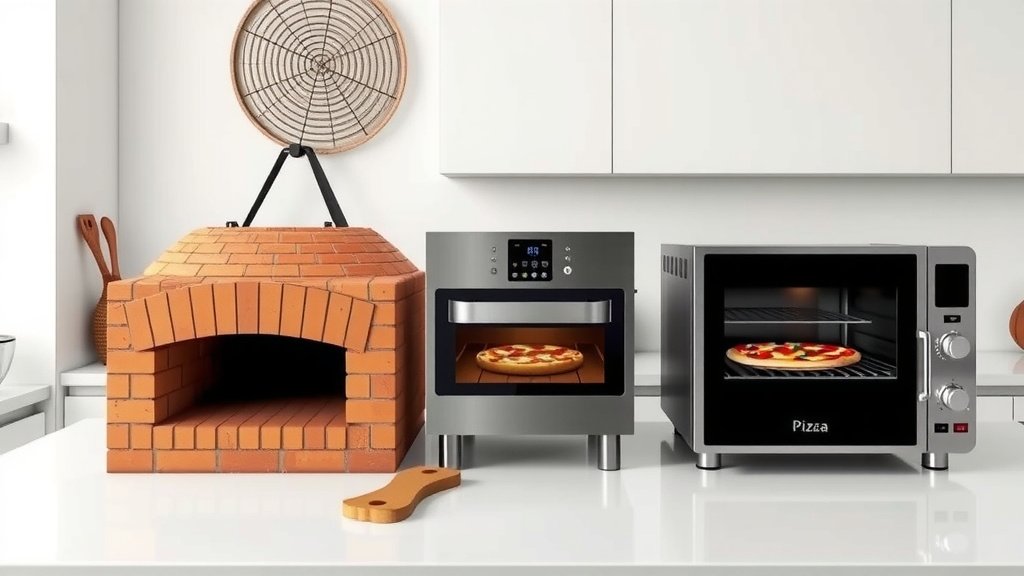
The difference between oven types for pizza comes down primarily to their maximum temperature capabilities and how they distribute heat, which directly impacts crust texture and cooking speed.
Each oven type offers a unique environment for your pizza, from the crispy char of a dedicated pizza oven to the steady bake of a standard home oven, shaping the final result significantly.
- Different ovens make different pizzas: Max temperature and heat delivery are key.
- Home ovens (conventional, convection) are good for casual pizza, but won’t get super hot.
- Dedicated pizza ovens (wood, gas) reach extreme heat for authentic, fast-cooked pies.
- Consider your budget, space, and desired pizza style before choosing.
- The right oven makes a big difference in achieving your perfect pizza crust.
What Is The Difference Between Oven Types For Pizza?
The main difference between oven types for pizza lies in their ability to achieve and maintain very high temperatures, alongside their heat distribution methods.
These factors directly influence how quickly your pizza cooks and the kind of crust it develops, from chewy to delightfully crispy.
Understanding Heat and Pizza Making
Pizza loves heat, especially intense, direct heat. A high temperature cooks the crust quickly, creating that delicious crispness while keeping the toppings from drying out.
When an oven gets really hot, we found that it helps create the coveted leopard-spotted crust and a light, airy interior (Serious Eats).
So, the hotter the better, right? It often depends on the pizza style you’re chasing.
The Standard Home Oven: Your Kitchen Workhorse
Most homes have a conventional oven, gas or electric. These ovens typically reach about 500-550°F (260-288°C).
They are reliable for baking and roasting, but a bit limited for true Neapolitan or New York-style pizza due to their temperature ceiling.
Cooking pizza in a standard oven might take 10-15 minutes. This longer cook time means the crust can dry out a little before the toppings are perfectly done.
You can still make tasty pizza, but it often needs a pizza stone or steel to help conduct more heat to the crust.
Convection Ovens: Circulating Heat for Pizza
A convection oven adds a fan to circulate hot air, aiming for more even cooking. This can be good for some baked goods.
For pizza, some experts say it helps cook toppings evenly and can contribute to a crispier top crust.
However, circulating air can sometimes dry out the crust more quickly, so balancing temperature and cook time is key.
Dedicated Pizza Ovens: The Next Level
If you are serious about pizza, a dedicated pizza oven is a game-changer. These are built to reach extreme temperatures, often above 800°F (427°C) and sometimes over 1000°F (538°C).
This intense heat cooks a pizza in mere minutes, often 60-90 seconds, replicating authentic pizzeria results.
Wood-Fired Pizza Ovens: The Traditional Choice
Wood-fired ovens are iconic for their smoky flavor and incredible heat. They cook pizzas using a combination of radiant heat from the dome, conductive heat from the stone floor, and convection from the flames.
Many chefs believe the flavor from burning wood adds a distinct, delicious char that gas ovens can’t quite match.
These ovens require a bit more skill to manage the fire, but the results are truly special.
Gas Pizza Ovens: Convenience Meets Performance
Gas pizza ovens offer high temperatures with less fuss than wood-fired models. They are often easier to light and maintain a consistent temperature.
You can find both propane and natural gas options. They heat up quickly and provide consistent performance, making them a popular choice for home users.
Electric Pizza Ovens: Indoor High Heat
Electric pizza ovens are a great choice for indoor use where gas or wood might not be practical. Countertop electric models can reach temperatures much higher than a standard home oven.
They are designed to cook pizza efficiently, often with top and bottom heating elements for even browning and a crispy base.
Oven Types and Their Pizza Impact: A Quick Look
Let’s compare how different oven types affect your pizza experience. Thinking about your desired crust and how much effort you want to put in helps.
| Oven Type | Max Temp (Approx) | Cook Time | Crust Result | Best For |
|---|---|---|---|---|
| Conventional Home Oven | 500-550°F | 10-15 minutes | Chewy, good crisp with stone | Everyday pizza, deeper dish |
| Convection Home Oven | 500-550°F | 8-12 minutes | Evenly cooked toppings, drier | Consistent browning, some crisp |
| Wood-Fired Pizza Oven | 800-1000°F+ | 60-90 seconds | Neapolitan char, airy interior | Authentic, smoky flavor |
| Gas Pizza Oven | 700-900°F+ | 2-5 minutes | Crispy, evenly cooked base | Fast, consistent, convenient |
| Electric Pizza Oven (Countertop) | 600-800°F | 3-6 minutes | Crispy base, well-done toppings | Indoor use, quick family pizzas |
Choosing Your Perfect Pizza Oven: A Checklist
Deciding on the right oven can feel like a big decision. Consider these points when you are thinking about your next pizza adventure:
- What kind of pizza do you love the most (e.g., crispy thin, chewy Neapolitan)?
- How much space do you have available indoors or outdoors?
- What is your budget for an oven and its accessories?
- Do you prefer the convenience of gas or electric, or the tradition of wood?
- How often do you plan on making pizza at home?
The Science Behind the Crust
Research shows that very high temperatures cause the pizza crust to puff up rapidly, creating a light, airy texture with a crisp exterior (Food Science of Pizza).
The intense heat also caramelizes sugars in the dough quickly, leading to those delicious browned spots. This rapid cooking preserves moisture inside the toppings and cheese.
Beyond Temperature: Other Factors to Consider
While temperature is a big player, it’s not the only thing. The type of fuel (wood, gas, electric) also influences the cooking experience and sometimes the flavor.
Also, the oven’s material and insulation affect how well it retains and radiates heat. A ceramic or brick dome, for instance, holds heat incredibly well.
Making the Most of Your Current Oven
Even if you don’t have a dedicated pizza oven, you can still make fantastic pizza. We found that a pizza stone or steel significantly improves results in a standard home oven.
Preheating your oven for a full hour, with the stone or steel inside, helps it reach its maximum potential. Also, try placing your stone on the highest rack to get closer to the top heating element.
Conclusion
Understanding the difference between oven types for pizza comes down to recognizing their distinct heat capabilities and how they shape your final product. From the reliable consistency of your home oven to the blazing intensity of a dedicated wood-fired model, each choice offers a unique path to pizza perfection.
The best oven for you truly depends on your pizza dreams, available space, and how much hands-on interaction you enjoy. Choose wisely, and you’ll be enjoying delicious, homemade pizza in no time.
Can a regular home oven make good pizza?
Yes, a regular home oven can certainly make good pizza, especially when you use a pizza stone or steel and allow ample preheating time. While it won’t achieve the super-fast cook times or extreme char of a dedicated pizza oven, you can still get a very satisfying crust.
How hot does a pizza oven need to be for authentic pizza?
For truly authentic, Neapolitan-style pizza, an oven typically needs to reach temperatures between 750°F to 900°F (400°C to 480°C). This extreme heat cooks the pizza in 60-90 seconds, creating a distinct crispy crust with an airy, soft interior.
Is a wood-fired pizza oven better than a gas pizza oven?
Neither is inherently “better,” as it depends on your preferences. Wood-fired ovens offer a unique smoky flavor and traditional experience but require more skill and effort to manage. Gas pizza ovens provide convenience, consistent high heat, and faster startup times, without the wood smoke flavor.
What is a pizza stone or steel used for?
A pizza stone or steel is used in a standard home oven to mimic the intense, conductive heat of a dedicated pizza oven’s floor. It absorbs and retains heat very well, transferring it directly to the pizza crust, resulting in a crispier base and faster cooking.
Are electric countertop pizza ovens worth it?
Many people find electric countertop pizza ovens to be worth it, especially for indoor use or when space is limited. They heat up faster than conventional ovens and reach higher temperatures, often delivering a much crisper crust than you’d get from a standard kitchen oven.
