Convection Oven vs Electric Oven: What Is the Difference? (November 2026)
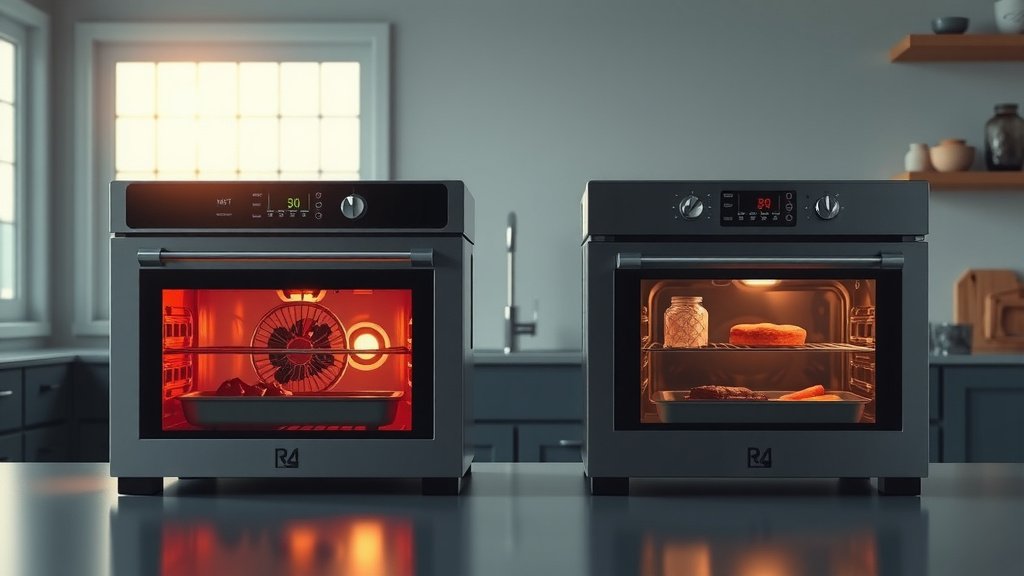
Electric describes the heat source; convection describes how heat moves. An oven can be electric and convection at the same time, so compare fuel, fan features and cooking needs separately.
On this page (11 sections)
- Convection Oven vs Electric Oven: What Is the Difference?
- What does “electric oven” mean?
- What does “convection oven” mean?
- Is a convection oven electric?
- Convection oven vs electric oven: what is the difference?
- How does convection change cooking?
- Which oven type should you choose?
- What should you check before buying?
- Does convection mean the same thing as a fan oven?
- Which is better, convection or electric?
- Convection oven vs electric oven: what should you remember?
Convection Oven vs Electric Oven: What Is the Difference?
Electric describes the heat source; convection describes how heat moves. In a convection oven vs electric oven comparison, the terms aren't opposites: one oven can use electric heat and a fan to circulate it.
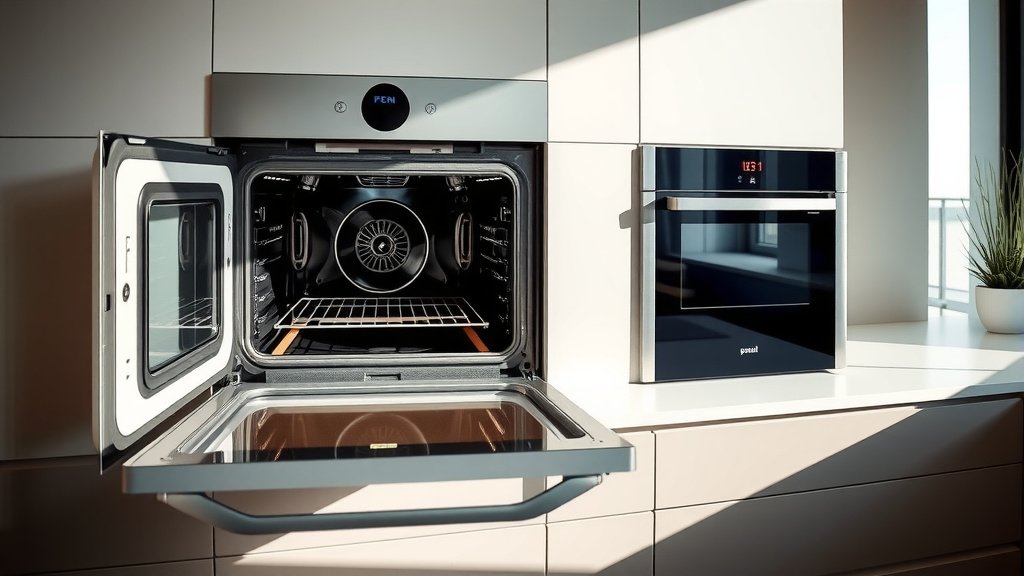
A conventional electric oven heats its cavity with electric elements. A convection oven adds a fan that moves hot air around the food, and it may use electricity or another heat source.
The practical choice is about which cooking modes you want, not a contest between two mutually exclusive oven types. If you're shopping for a countertop appliance, the products below pair electric heat with convection features.
If you prefer an installed option, compare built-in microwave convection combos.
 Best for adjustable airflow
Breville BOV900BSS Smart Oven Air Fryer Pro
 Best for preset cooking
CHEFMAN Multifunctional Digital Air Fryer+ Rotisserie
What does “electric oven” mean?
An electric oven uses electricity to produce heat. Its heating elements warm the oven cavity, and the controls cycle heat to maintain the chosen setting.
Electric identifies the oven's energy source. It doesn't tell you whether the oven has a fan, how many fan settings it offers or whether it can cook with conventional heat alone.
Many household ovens have a bake mode that heats without convection. Some also have fan-assisted modes, so the same electric oven can support both styles of cooking.
For a closer look at the heating process, see How Does An Electric Oven Work?.
What does “convection oven” mean?
A convection oven uses a fan to circulate heated air. Moving air can help distribute heat around food and reduce still pockets of hot or cool air.
Convection describes air movement, not the fuel that produces heat. An electric oven can be convection, and a gas oven can also include a convection fan.
Fan settings vary by model. Some ovens let you choose regular or stronger airflow, while others offer convection only for certain modes.
Read What Is a Convection Oven? for more on how fan circulation works and where it can help. For a comparison of other heat movement methods, see What Is The Difference Infrared Vs Convection Oven?.
Is a convection oven electric?
It can be, but convection doesn't mean electric. Check the oven's power source and its cooking modes as separate details.
A countertop convection oven is commonly powered by electricity. Built-in ranges can vary, and a model can use gas for heat while adding a fan to circulate that heat.
For an installed gas option, see 30-inch gas wall ovens.
If you're comparing an electric range, check whether it has convection and which modes use the fan. This guide to a convection oven range can help you assess range features.
Convection oven vs electric oven: what is the difference?
The difference is that “electric” names the heat source, while “convection” names a cooking method. Compare an electric oven with convection against an electric oven without it to understand the real choice.
| Feature | Electric oven | Convection oven |
|---|---|---|
| What the term describes | Heat source | Fan-assisted air circulation |
| Can the terms overlap? | Yes, it may have convection | Yes, it may use electric heat |
| Fan required? | No | Yes |
| Typical control choices | Bake, broil and other modes | Convection bake, roast or related modes may be available |
| What to check | Power source and oven modes | Fan settings and compatible modes |
A convection oven may include conventional bake, so you don't necessarily give up that option. The exact controls vary, which is why the model's manual is more useful than the label alone.
A fan oven vs convection oven comparison can clarify how those terms are used across different regions and product descriptions.
How does convection change cooking?
Convection adds moving air to the heating process. That airflow may help food cook more evenly or in less time, but the effect depends on the recipe and oven.
The fan can make convection useful when cooking multiple items or when you want browning across exposed surfaces. Some recipes, especially delicate bakes, may call for conventional heat instead.
Don't apply one fixed temperature change to every recipe. Use the instructions for your oven and the recipe you're following, and check food as it cooks.
Does convection always cook faster?
Convection can shorten cooking time in some cases, but no single adjustment works for every oven and dish. Food size, pan material, rack position and how full the oven is can all affect the result.
For baking, choose the mode the recipe recommends when available. If you're converting a recipe, follow the oven maker's guidance and keep an eye on doneness.
Can you turn convection off?
Many ovens offer both convection and conventional modes, but controls differ. Check for settings such as bake, convection bake, roast or convection roast.
If a countertop oven has several functions, its labels may not match a full-size range. Read the manual to see which settings operate the fan and which use conventional heat.
Which oven type should you choose?
Choose based on the heat source you need and whether you want fan-assisted modes. If you already know you need electric power, then compare models with and without convection features.
An electric oven without convection can suit cooks who mainly use standard bake and broil. A convection model may be useful if you want the fan's air movement for roasting, baking or crisping.
For a countertop option with two airflow speeds, the Breville offers regular and super convection alongside electric heat and 13 functions.
If preset cooking is more useful than selecting modes manually, the CHEFMAN combines an electric countertop oven with rapid air heating and 17 presets.
The Emeril countertop model has a dual-speed fan and 24 cooking functions, with French doors for access.
For a more direct choice between conventional and fan-assisted modes, the Cuisinart labels convection bake and convection broil separately.
What should you check before buying?
Check fuel, fan modes, oven size and controls on the exact model. These details tell you more than the words “electric” or “convection” alone.
Start with the power source. If you need an electric oven, make sure the appliance uses the connection available in your kitchen and meets the installation instructions.
Next, check the modes. Decide whether you want a fan for baking, roasting or air frying, and whether you also want conventional bake without the fan.
Consider the oven's capacity and your cookware. A countertop oven may handle everyday meals but have less room than a full-size range.
Finally, look at how you prefer to set temperature and time. A dial, touchscreen or preset menu can affect daily use even when two ovens share the same heating method.
Does convection mean the same thing as a fan oven?
The terms often point to fan-assisted cooking, but labels can vary by region and model. Check which heating elements and fan modes operate under each setting.
Some ovens use “fan oven” to describe a fan that circulates heat. Others distinguish fan-assisted modes from convection modes with different controls or heating arrangements.
The manual explains how the specific oven works. Don't assume that two ovens with similar labels use identical settings.
Which is better, convection or electric?
Neither is automatically better because the terms describe different things. Choose an electric oven if that is the power source you need, then decide whether convection modes suit your cooking.
Pick an electric oven with convection if you want fan-assisted options, and choose a conventional electric model if those options aren't useful to you. If you're comparing two countertop ovens, focus on available modes, capacity and controls.
For a full-size appliance, see electric double oven ranges.
Convection oven vs electric oven: what should you remember?
Choose by separating power source from airflow: electric tells you how the oven makes heat, and convection tells you whether a fan circulates it. If you need electric power and want fan-assisted cooking, look for an electric convection model with the modes you plan to use.
For another comparison of oven cooking methods, read What Is The Difference Steam Oven Vs Convection?.
Frequently asked questions
Is a convection oven electric?
A convection oven can be electric, but convection and electric describe different features. Electric means the oven uses electricity as its heat source; convection means a fan circulates heated air.
Gas ovens can also have convection, and electric ovens can cook without a convection fan.
What is the difference between a convection oven and an electric oven?
An electric oven uses electricity to create heat, while a convection oven uses a fan to move heated air around the cooking space. The terms can overlap because many convection ovens use electric heating.
Check the fuel source and fan settings separately when comparing models.
Does a convection oven cook faster than a regular electric oven?
A convection oven may cook food faster or more evenly because its fan moves hot air around the oven. Results depend on the recipe, oven design and load.
Follow the appliance manual and recipe guidance for temperature or timing changes instead of assuming every dish needs the same adjustment.
Can an electric oven have convection?
Yes. An electric oven can include a convection fan, and some models offer both conventional bake and fan-assisted settings.
Look for controls labeled convection bake, convection roast or similar, then check the manual to learn when to use each setting.
Should I choose convection or a conventional electric oven?
Choose convection if fan-assisted cooking suits your recipes and you want air circulated around the food. A conventional electric oven may suit you if you prefer simpler controls or mostly follow recipes written for standard baking.
Check which modes the specific oven offers before choosing.