
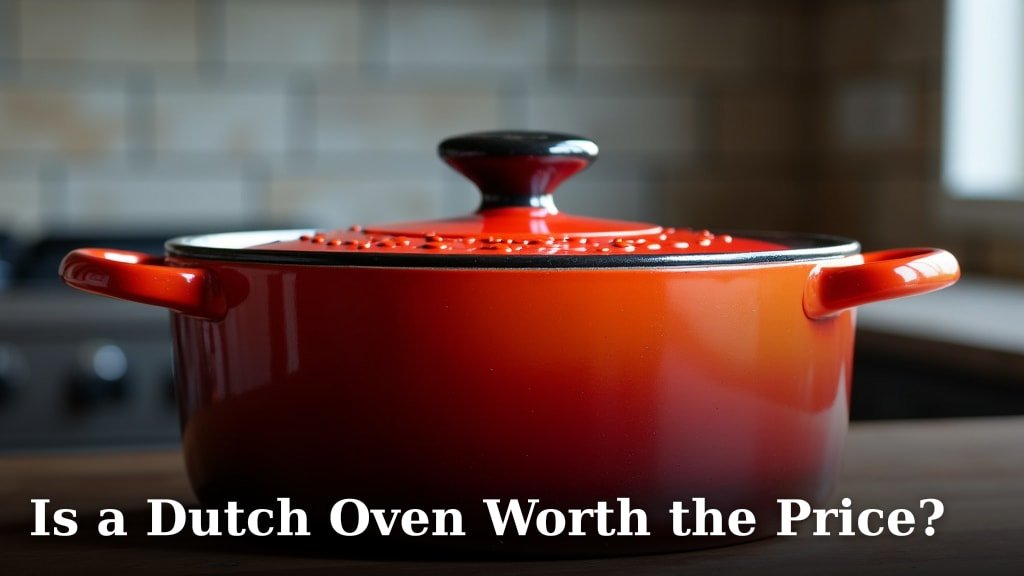
Yes, a Dutch oven is absolutely worth the price for most home cooks. We found that its versatility and durability make it a smart, long-term investment for your kitchen. You’ll use it for so many different dishes.
Think of it as a kitchen workhorse. You can braise meats, bake bread, simmer soups, and even deep-fry with it. Many cooks say it often replaces several other pots and pans, making it a surprisingly cost-effective choice over time.
- Dutch ovens are highly versatile.
- They offer excellent heat retention.
- They are very durable and last for years.
- They can save you money by replacing other cookware.
Ready to see why so many cooks rave about this kitchen essential? Let’s explore everything you need to know about investing in a Dutch oven.
Understanding the Value of a Dutch Oven
A Dutch oven is a heavy-duty pot with a tight-fitting lid. It’s usually made from cast iron, often enameled. We found it’s a kitchen staple that can really elevate your cooking.
Think about its core purpose: even heat distribution and retention. This isn’t just a fancy feature; it changes how your food cooks. It means fewer burnt spots and more consistent results, especially for slow-cooked dishes.
What Makes a Dutch Oven So Special?
What sets this pot apart from your everyday cookware? It’s a combination of design, material, and how these factors work together. We often hear people say it’s like having a mini oven on your stovetop.
- Superior Heat Retention: Once hot, it stays hot. This is perfect for simmering stews or braising meats.
- Even Heat Distribution: No hot spots! Your food cooks uniformly.
- Durability: These pots are built to last generations. They can be a family heirloom.
- Versatility: You can use it on the stovetop, in the oven, or even over a campfire.
- Moisture Control: The heavy lid keeps steam inside, making food tender and flavorful.
The Science Behind the Sizzle
Cast iron is a dense material. This density is what allows it to absorb and hold heat so well. When you preheat a Dutch oven, that heat is stored in the metal itself (NIST).
The enamel coating, if present, creates a non-reactive surface. This means you can cook acidic foods like tomato sauces without worrying about them reacting with the iron. It also makes cleaning much easier.
Comparing Dutch Ovens to Other Cookware
You might be thinking, “Don’t I already have pots and pans that do similar things?” That’s a fair question! Let’s look at how a Dutch oven stacks up against other common kitchen items.
It’s true you have options. But for specific tasks, the Dutch oven often performs better. It’s about having the right tool for the job, and sometimes, that tool is a Dutch oven.
| Feature | Dutch Oven | Stainless Steel Pot | Ceramic Casserole Dish |
|---|---|---|---|
| Heat Retention | Excellent and long-lasting | Good, but cools faster | Good, but less direct heat |
| Heat Distribution | Very even, no hot spots | Can have hot spots | Even, but slower to heat |
| Stovetop Use | Yes, high heat | Yes, high heat | No, oven only |
| Oven Use | Yes, high temps | Some, lower temps | Yes, high temps |
| Browning/Searing | Excellent | Good | Poor |
| Durability | Exceptional, multi-generational | Good, but can dent | Fragile, can chip/break |
As you can see, the Dutch oven has a unique combination of strengths. It takes the best of several worlds and puts them into one heavy pot. This versatility is a big part of its value.
The Many Ways You’ll Use Your Dutch Oven
Perhaps the biggest argument for a Dutch oven’s worth is its incredible versatility. It’s not a one-trick pony. You’ll find yourself reaching for it again and again for a variety of meals.
Many home cooks say it becomes their most-used pot. What can it really do? Let’s take a look at some of its most popular applications.
From Soups to Sourdough: Culinary Applications
Imagine one pot that can start on the stovetop and finish in the oven. That’s the Dutch oven. This makes it perfect for dishes that need multiple cooking stages.
- Braising Meats: Sear a roast on the stove, then slow-cook it in the oven until fall-apart tender. The tight lid keeps all the moisture in.
- Soups and Stews: Simmer hearty meals for hours. The even heat means no scorching on the bottom.
- Baking Bread: Especially popular for no-knead bread. The enclosed environment creates perfect steam, leading to a crispy crust and chewy interior.
- Frying: Its heavy build maintains oil temperature, making it ideal for deep-frying chicken or donuts.
- One-Pot Meals: Cook everything from pasta dishes to risotto right in the Dutch oven.
A Favorite for Bread Baking
Have you seen all the beautiful artisan bread photos lately? Many of those are baked in a Dutch oven. We found that the Dutch oven creates the ideal environment for bread (King Arthur Baking).
The enclosed space traps steam released by the dough. This steam keeps the crust soft for longer, allowing the bread to rise fully. Then, as the steam dissipates, you get a beautiful, crackly crust. It’s a simple trick that yields amazing results.
Is It Easy to Clean and Maintain?
This is often a concern with heavy-duty cookware. But with an enameled Dutch oven, cleaning is surprisingly simple. The smooth surface resists sticking. For those concerned about maintenance, our guide on whether you can use soap on a cast iron Dutch oven explains why cleaning is surprisingly simple.
You’ll typically just need warm soapy water and a soft sponge. For tougher spots, a gentle scrub with baking soda works wonders. Avoid harsh abrasive cleaners or metal scouring pads to protect the enamel.
Considering the Investment: Price vs. Longevity
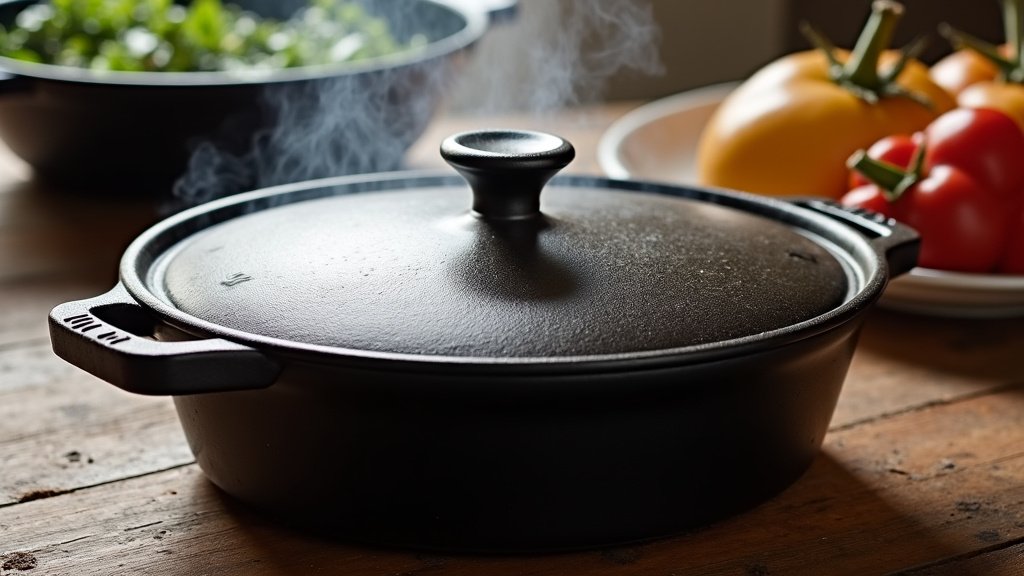
A good quality Dutch oven isn’t cheap. Prices can range from under $100 to several hundred dollars. This initial cost can feel like a big hurdle. But let’s look at the bigger picture.
Think about how many pots you might buy over your lifetime. A Dutch oven is an investment that often outlives its owner. It’s a buy-it-for-life kind of product.
When Does the Price Make Sense?
The “worth it” factor often comes down to how much you’ll use it. If you love to cook and enjoy making hearty, slow-cooked meals, then the answer is likely a resounding yes.
Consider the cost per use. If you use it once a week for 20 years, the initial cost quickly diminishes. It becomes a very economical piece of equipment in the long run.
Choosing the Right Size and Brand
Dutch ovens come in various sizes, usually from 3-quarts to 7.5-quarts or more. A 5.5-quart or 6-quart model is a popular choice for most families, offering a good balance for everyday cooking.
When it comes to brands, you’ll find everything from budget-friendly options to high-end names. We found that even mid-range brands offer excellent quality and durability. Do your research, read reviews, and choose one that fits your budget and cooking style.
The Long-Term Value Checklist
Before you commit to a purchase, ask yourself these questions. This checklist can help you decide if a Dutch oven truly aligns with your cooking habits and needs.
- Do you enjoy cooking stews, roasts, or soups?
- Are you looking for cookware that lasts for decades?
- Do you want to bake homemade bread?
- Could you replace multiple pots with one versatile item?
- Is even heating and superior moisture retention important to your cooking?
If you answered yes to most of these, then a Dutch oven is likely to be a fantastic addition to your kitchen. It will quickly become a beloved and essential tool.
Conclusion
So, is a Dutch oven worth the price? Our research confirms that for most home cooks, it absolutely is. Its exceptional versatility and enduring durability make it a genuinely smart kitchen investment. You’re not just buying a pot; you’re investing in countless delicious meals and a tool that can last generations. When you factor in its ability to handle everything from slow-cooked stews to artisan bread, the cost per use becomes incredibly low. Consider your cooking habits and if they align with its many uses, you’ll find it an indispensable part of your kitchen.
Frequently Asked Questions
How do I choose the right size Dutch oven for my family?
A 5.5-quart or 6-quart Dutch oven is generally ideal for most families of 4-6 people. For larger families or frequent batch cooking, consider a 7.5-quart or bigger. Smaller 3-quart sizes are great for side dishes or cooking for one or two.
Are expensive Dutch ovens really better than cheaper ones?
While high-end brands offer excellent quality and craftsmanship, many mid-range Dutch ovens perform beautifully and last just as long. We found that the main differences often lie in brand reputation, color options, and minor design details, rather than core cooking performance. Read reviews to find a good balance of quality and price.
Can I use a Dutch oven on an induction cooktop?
Yes, most Dutch ovens, especially those made from cast iron (enameled or not), are fully compatible with induction cooktops. Cast iron is a ferromagnetic material, which is necessary for induction heating. Always double-check the manufacturer’s specifications to be sure.
How do I prevent food from sticking in my enameled Dutch oven?
Always preheat your Dutch oven properly over medium heat before adding food, and use enough oil or fat. Avoid cooking on excessively high heat, which can cause sticking and potentially damage the enamel. For best results, allow food to naturally release from the surface as it browns.
What’s the main benefit of an enameled Dutch oven compared to bare cast iron?
The primary benefit of an enameled Dutch oven is its non-reactive surface, meaning you can cook acidic foods like tomato sauces without worrying about them reacting with the iron. It also requires less seasoning and is generally easier to clean than bare cast iron, which needs careful maintenance to prevent rust and maintain its non-stick properties. For bare cast iron, learning how to season a cast iron Dutch oven for the first time is crucial to maintain its non-stick properties.
