Is an Enameled Dutch Oven Worth the Extra Money?
On this page (11 sections)
- Are Enameled Dutch Ovens Worth the Premium Price?
- Enameled Cast Iron vs. Bare Cast Iron: The Core Difference
- The Top Benefits of Going with an Enameled Pot
- The Potential Drawbacks You Should Consider
- Performance: How They Actually Cook
- Care and Maintenance: The Real-World Difference
- What Do Professional Tests and Reviews Say?
- Building Your Checklist: Which One Should YOU Buy?
- The Final Verdict: It’s About Your Kitchen, Not Just the Pot
- Conclusion
- Frequently Asked Questions
Are Enameled Dutch Ovens Worth the Premium Price?
Yes, for most home cooks, an enameled Dutch oven is absolutely worth the extra money. It offers superior convenience and versatility for everyday cooking, especially if you don’t want the maintenance of raw cast iron. However, a bare cast iron pot is a fantastic, budget-friendly choice for those who don’t mind the upkeep. Let’s break down which one is the better investment for your kitchen. For an overall comparison, see whether a Dutch oven is worth the price.
Enameled Cast Iron vs. Bare Cast Iron: The Core Difference
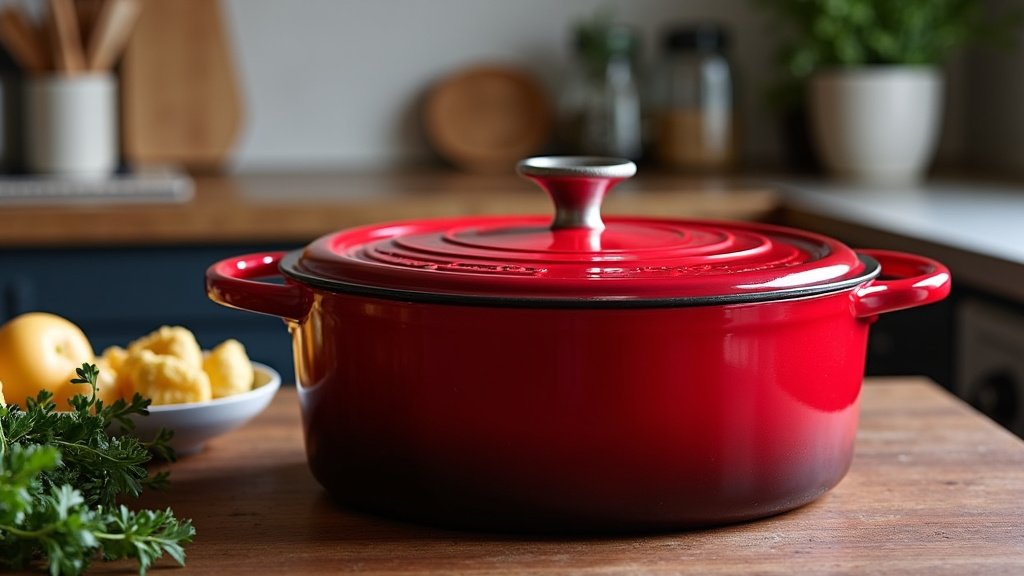
The key distinction is the coating. Enameled Dutch ovens have a baked-on, non-reactive porcelain enamel finish. This is fundamentally different from the seasoned patina that develops on a bare cast iron pot over time. The enamel creates a glass-like surface that changes how you cook and clean.
What Exactly Is Enameled Cast Iron?
It starts as a standard cast iron pot. Then, it’s sprayed with multiple layers of powdered glass (enamel) and fired at an extremely high temperature. This fuses a protective, colorful coating to the iron. The result is a pot that doesn’t require seasoning and offers a smooth cooking surface.
The Science Behind the Shine
The enamel is a form of vitreous glass. According to materials science principles, it creates an inert barrier. This means it won’t react with acidic ingredients like tomatoes or wine. You can safely simmer a marinara for hours without worrying about a metallic taste leaching into your food (USDA Food Safety). That’s a major advantage for many recipes.
What Is Bare Cast Iron?
This is just pure iron, shaped into a pot. Its performance relies entirely on seasoning—the layer of polymerized oil that builds up with use and proper care. A well-seasoned pot develops a natural, naturally non-stick surface. However, this surface is delicate. It can be damaged by soap, acidic foods, or improper drying.
The Top Benefits of Going with an Enameled Pot
Why do people pay more for the coated version? The reasons boil down to convenience and adaptability. Many home cooks find these features completely change their daily routine.
- Zero Seasoning Required: It’s ready to use out of the box. No initial oiling and baking in the oven.
- Easy Cleanup: The smooth surface wipes clean. Most stuck-on food comes off with warm, soapy water and a sponge. There’s no fear of ruining a seasoning layer.
- Non-Reactive Surface: You can confidently cook acidic dishes—chili with tomatoes, beef stew with wine, fruit compotes—without altering the flavor or color of your food.
- Aesthetically Pleasing: It goes from stovetop to oven to table beautifully. The vibrant colors make for an attractive serving piece.
The Potential Drawbacks You Should Consider
It’s not all perfect. The enamel comes with a few trade-offs that are important to understand before you buy.
- The High Price Tag: This is the most obvious con. A quality enameled pot can cost two to three times as much as a comparable bare cast iron Dutch oven.
- Vulnerability to Chipping: The enamel is durable glass, but it can chip. This can happen from a hard knock, thermal shock (dropping it in a sink while hot), or metal utensil abuse. A chip is usually cosmetic at the rim, but it can compromise the pot.
- Slightly Heavier Weight: The enamel coating adds a small amount of weight. While not dramatic, you will notice the pot is very hefty.
- Potential for Staining: Light-colored interiors, while beautiful, can develop stains from certain foods like turmeric or tomato sauce over time. This is cosmetic but can be frustrating.
Performance: How They Actually Cook
Both types are exceptional at heat retention and even cooking, which is the core job of a Dutch oven. The real differences emerge during specific cooking tasks.
| Feature | Enameled Dutch Oven | Bare Cast Iron Dutch Oven |
|---|---|---|
| Heat Retention | Excellent | Excellent |
| Best For | Braises, stews, soups, pasta sauces, baking bread. | High-heat searing, frying, cornbread, skillet cookies. |
| Reactivity | Non-reactive with acidic foods. | Reactive; may impart metallic taste with acidic dishes. |
| Searing Ability | Very good, but some cooks feel bare iron achieves a slightly better crust. | Superior for developing a deep, even sear on meats. |
| Care Intensity | Low. Hand-wash with mild soap. | High. Requires seasoning, hand-wash only (often no soap), thorough drying. |
| Long-Term Aesthetics | Can chip or stain but maintains color. |