
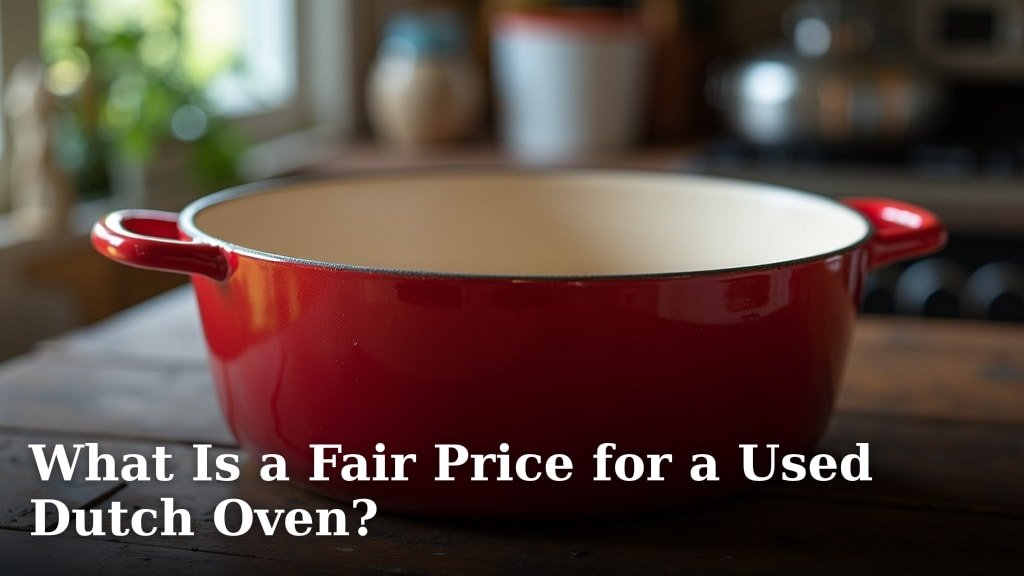
A fair price for a used Dutch oven can range from $50 to $200, depending on its brand, condition, and age. You can find a fantastic, pre-loved piece for a fraction of its original cost. Look for brands like Le Creuset and Staub for the best value. A used Dutch oven offers incredible savings.
When you’re searching for a used Dutch oven, consider the materials and any signs of wear. Enamel-coated cast iron is durable and often shows minimal damage. Even older models can be excellent performers. Think of it as giving a well-loved kitchen workhorse a new home.
- Brand matters: Le Creuset, Staub, and Lodge are top choices.
- Condition is key: check for chips, cracks, or excessive wear.
- Age can add character, but function comes first.
- Price varies widely, but aim for a good deal.
We’ve researched what makes a used Dutch oven a smart buy. Let’s dive into the details of finding your perfect cast iron companion.
Figuring Out a Fair Price for a Pre-Owned Dutch Oven
So, you’re eyeing a used Dutch oven. That’s smart! You can get a fantastic piece of cookware for much less than buying new. But what’s a “fair price”? It really depends on a few key things. We found that prices can swing from $50 to $200, and sometimes even a bit more for rare finds.
The goal is to get a durable, functional pot that will last you for years. You want to avoid paying premium prices for something with hidden problems. Let’s break down how to tell if you’re getting a good deal.
Brand Name: Does It Really Matter for Used Dutch Ovens?
Yes, brand plays a big role in the price of a used Dutch oven. Some brands hold their value better than others. This is often due to their reputation for quality and durability. Think of it like buying a used car; a well-known, reliable make will generally cost more.
The “Big Two”: Le Creuset and Staub
When you think of high-end Dutch ovens, Le Creuset and Staub likely come to mind. These brands are famous for their vibrant enamel finishes and excellent heat distribution. Because they are so well-regarded, their used pieces tend to command higher prices.
You might find a used Le Creuset for $100 to $200 or more. A Staub could be in a similar range. These are still significant savings compared to buying them new, which can cost $300 to $400+. We found that even with minor cosmetic flaws, these brands retain a good portion of their original value.
Excellent Alternatives with Great Value
Don’t discount other brands! Lodge offers a more budget-friendly option, both new and used. Their cast iron is known for being tough and reliable. A used Lodge Dutch oven might run you $30 to $80.
Other brands like Marquette Castings or Finex can also be found used. They often fall somewhere between Lodge and Le Creuset/Staub in price. We found that research on the specific model can help you understand its original cost and typical used market value.
Condition is King: What to Look For (and Avoid!)
This is probably the most critical factor in determining a fair price. A beautiful, like-new Dutch oven is worth more than one with issues. You need to be a bit of a detective when inspecting a used pot.
The Enamel Coating: Your First Line of Defense
Most popular Dutch ovens have an enamel coating. This coating protects the cast iron and makes it non-reactive. It also makes cleaning much easier.
- Chips and Cracks: Look very closely at the interior and exterior enamel. Small chips, especially on the rim or lid edge, are common. These aren’t always deal-breakers, but they should lower the price. Deep cracks or large chips, however, can be serious. They can lead to rust or even structural weakness. We found that large enamel damage is a definite reason to walk away or negotiate hard.
- Stains: Some staining inside might occur, especially from acidic foods. This is usually superficial and can often be cleaned. Don’t let minor staining deter you.
- Discoloration: Fading in certain areas might happen over time. This is mostly cosmetic and won’t affect cooking performance.
The Cast Iron Itself: Beneath the Enamel
If the enamel is chipped, you’ll see the raw cast iron underneath. This is where rust can start to form.
- Rust: A little bit of light surface rust can often be cleaned off and re-seasoned. However, deep, pitted rust is a sign of neglect and potential damage to the iron. We found that excessive rust significantly reduces the value.
- Warping: Check if the bottom of the pot and the lid sit flat. A warped pot won’t heat evenly on your stovetop. You can usually feel this by gently rocking it.
The Lid: A Crucial Component
The lid is just as important as the pot itself. It should fit snugly.
- Fit: Does the lid wobble excessively? A loose lid means steam escapes, affecting cooking.
- Weight: The lid should feel substantial.
- Handle: Ensure the handle is secure and not loose.
Wear and Tear: Signs of a Well-Loved Pot
Some wear is expected and even desirable. It shows the pot has been used and loved. Light scratches on the bottom from utensils are normal. Browning on the inside bottom from cooking is also common.
What’s not normal is a pot that looks like it’s been through a war. Heavy scoring, deep gouges, or a generally neglected appearance should make you question the price. We found that a pot with a few minor scratches is usually a much better buy than one that’s been babied but has a hidden flaw.
Age and Aesthetics: Does It Matter for Your Dutch Oven?
The age of a Dutch oven can sometimes add to its appeal, especially for vintage pieces. Older Dutch ovens, particularly from brands like Griswold or Wagner Ware (which are often unenameled cast iron), can be collectors’ items and perform beautifully.
However, for enameled Dutch ovens, age is less about collectibility and more about condition. A 10-year-old Le Creuset in excellent shape is worth more than a 2-year-old one with significant chips. We found that while vintage appeal is nice, functionality always comes first for a cooking pot.
What About Color and Style?
For enameled Dutch ovens, color can influence desirability. Classic colors like red, blue, or black are usually popular. More unique or limited-edition colors might appeal to a niche market.
Ultimately, the specific color doesn’t drastically change the price unless it’s a very rare shade. The condition and brand will always be the primary price drivers. We found that most buyers prioritize performance over color when buying used.
Where to Find Used Dutch Ovens and What to Expect
You can find used Dutch ovens in several places. Each has its own pros and cons regarding price and condition.
- Online Marketplaces: Sites like eBay, Facebook Marketplace, and Poshmark offer vast selections. Prices can vary wildly. Be sure to scrutinize photos and descriptions carefully.
- Thrift Stores and Consignment Shops: You can sometimes snag amazing deals here. These items are often priced lower because the store owners may not know the true value. It’s a treasure hunt!
- Yard Sales: Similar to thrift stores, you might find a gem. Negotiation is usually expected.
- Restaurant Supply Stores (Used): Sometimes these places have professional-grade used equipment.
We found that the best deals often come from places where sellers aren’t fully aware of the brand’s market value. Patience is key!
Quick Checklist for Buying Used: Don’t Skip This!
Before you hand over your hard-earned cash, run through this quick checklist:
- Inspect the enamel inside and out for chips, cracks, or deep scratches.
- Check for any signs of significant rust, especially under chipped enamel.
- Ensure the lid fits snugly and doesn’t wobble excessively.
- Test the pot and lid handles to make sure they are secure.
- Look for signs of warping on the bottom of the pot.
- Compare prices online for similar brands and conditions to gauge fairness.
By following these steps, you can feel confident you’re getting a great piece of cookware at a fair price. Happy hunting!
Conclusion
Finding a fair price for a used Dutch oven is totally achievable with a little know-how. You’ve learned that brand, condition, and age are your main guides. Stick to known brands like Le Creuset or Staub for premium quality, or Lodge for budget-friendly durability. Always be a sharp inspector, checking for chips, cracks, rust, and warping. Don’t let minor cosmetic issues scare you away, but steer clear of major damage.
Your next step? Use this knowledge! Start your search online or at thrift stores, armed with your checklist. You’re well-equipped to find a fantastic, pre-loved Dutch oven that will cook beautifully for years to come.
Frequently Asked Questions
Is a used Dutch oven worth the savings compared to buying new?
Yes, a used Dutch oven can offer substantial savings, often costing 50% or less than a new one. You can get a high-quality piece from brands like Le Creuset or Staub for a fraction of the retail price. Just be sure to thoroughly inspect its condition before buying.
What are the most common signs of damage I should look for in a used Dutch oven?
You should primarily look for chips or cracks in the enamel coating, especially on the rim and interior. Also, check for deep, pitted rust beneath any chipped enamel and ensure the pot and lid aren’t warped. Significant damage like these can impact performance and safety.
How much should I expect to pay for a used Le Creuset or Staub Dutch oven?
For used Le Creuset or Staub Dutch ovens in good condition, you can typically expect to pay between $100 and $200. The exact price will depend on the size, color, and how well-maintained it is. Less pristine pieces might be found for less.
Are unenameled cast iron Dutch ovens (like vintage Griswold) a good buy used?
Unenameled cast iron Dutch ovens can be excellent buys, especially vintage ones. They often perform wonderfully but require seasoning and maintenance to prevent rust. Their value can vary greatly, so research specific vintage brands and their condition carefully.
What if a used Dutch oven has some minor cosmetic flaws, like small chips on the rim?
Small, superficial chips on the rim or lid edge are common and often don’t affect cooking performance. These should, however, lower the price you’re willing to pay. Focus on functional integrity; if the enamel is sound elsewhere and the pot cooks well, it can still be a great purchase.
