
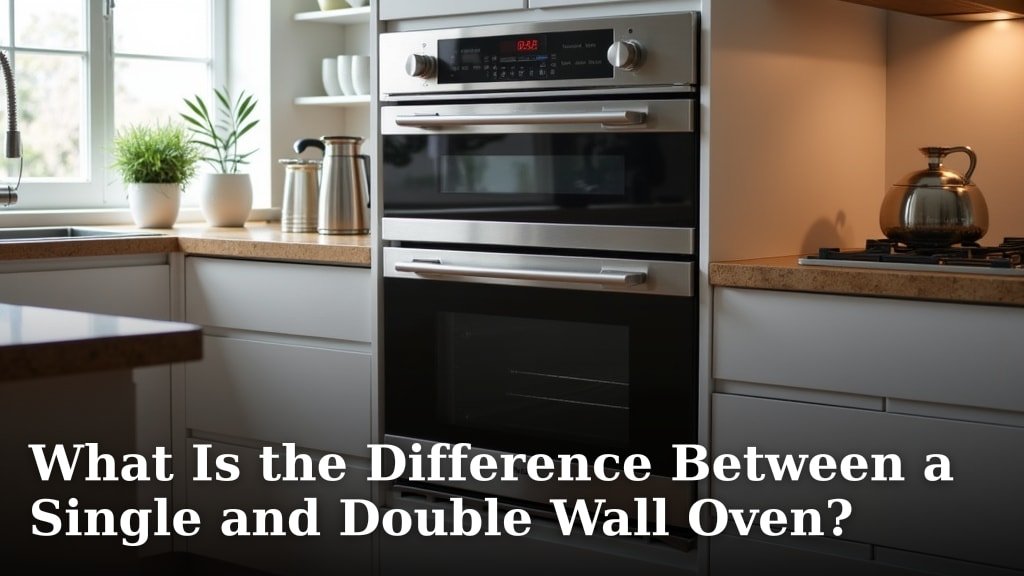
The main difference between a single and double wall oven lies in their capacity and cooking flexibility. A single wall oven is essentially one standard oven cavity, while a double wall oven features two separate cavities stacked vertically, allowing you to cook multiple dishes at different temperatures simultaneously.
Choosing between them often depends on your cooking habits and kitchen space. If you frequently host large gatherings or prepare elaborate meals, a double oven offers superior convenience. For smaller households or those with less ambitious culinary projects, a single oven might be perfectly adequate and save valuable kitchen real estate.
- Single wall ovens have one cooking space.
- Double wall ovens have two separate cooking spaces.
- Double ovens allow for cooking at different temperatures at once.
- Consider your cooking needs and kitchen size.
Let’s break down what each type offers and help you decide which is the best fit for your kitchen.
Understanding Your Oven Options: Single vs. Double Wall Models
When you’re looking to upgrade your kitchen appliances, especially your oven, you’ll quickly see there are a few main types. The wall oven is a popular choice for a sleek, built-in look. But within that category, you’ll face a decision: do you go with a single wall oven or a double wall oven? This choice impacts how you cook, what you can cook, and even the layout of your kitchen.
We’ve done some digging to help you understand the core differences. Let’s get into the nitty-gritty of what each has to offer so you can make the best choice for your home and your culinary adventures.
The Single Wall Oven: Your Reliable Workhorse
Think of a single wall oven as the standard, dependable oven you’re likely most familiar with. It’s a single, contained unit with one door and one cooking cavity inside. This is a fantastic option for many households, especially if your cooking needs are straightforward.
What a Single Wall Oven Offers You
The primary appeal of a single wall oven is its simplicity and space-saving design. It fits into a standard cabinet space, making it a common upgrade or replacement for existing ovens. You get one generous cooking area, which is usually more than enough for baking a cake, roasting a chicken, or preparing a weeknight dinner.
Many single ovens come packed with features, just like their double counterparts. You’ll find options for convection cooking, self-cleaning cycles, and various cooking modes (bake, broil, roast). So, you don’t have to sacrifice advanced technology for a simpler setup.
Who is a Single Wall Oven Best For?
A single wall oven is an excellent choice for:
- Smaller households: If you’re cooking for one, two, or three people, one oven cavity is usually plenty.
- Budget-conscious buyers: Generally, single ovens are less expensive than double ovens, both in terms of initial purchase price and installation costs.
- Those with limited kitchen space: A single oven takes up less vertical space, potentially allowing for other cabinets or storage above or below it.
- Occasional bakers: If you bake a few times a month but don’t host large dinner parties every weekend, a single oven will serve you well.
We found that most users with these needs are perfectly happy with the performance and capacity of a single unit. It handles everyday cooking tasks efficiently.
The Double Wall Oven: The Entertainer’s Dream
Now, let’s talk about the double wall oven. As the name suggests, this appliance features two separate oven cavities stacked one on top of the other. Each cavity has its own door, controls, and heating elements. This dual functionality is where the magic happens for serious home cooks.
The Advantages of Having Two Ovens
The biggest advantage of a double oven is the ability to cook multiple dishes at different temperatures simultaneously. Imagine baking cookies at 350°F in one oven while roasting vegetables at 400°F in the other. This is a game-changer for holiday meals, dinner parties, or when you’re just feeling ambitious.
Many experts highlight the increased cooking flexibility as the key benefit. You can use one oven for keeping food warm while the other finishes cooking, or dedicate one to baking and the other to roasting. This prevents flavor transfer and ensures each dish is cooked perfectly.
Is a Double Wall Oven Right for Your Lifestyle?
A double wall oven is ideal for:
- Frequent entertainers: If you love hosting, a double oven makes preparing multi-course meals a breeze.
- Large families: Feeding a crowd becomes much more manageable when you can cook more at once.
- Passionate bakers and cooks: When you love experimenting with different recipes that require varied cooking times and temperatures, two ovens are a lifesaver.
- Those who value efficiency: You can often speed up meal prep by using both ovens at once, saving time and energy.
Many studies show that people who cook frequently find that a double oven significantly reduces their kitchen workload during busy periods (Cleveland Clinic). It streamlines the process of preparing complex meals.
Key Differences at a Glance
Let’s lay out the main differences side-by-side to make it crystal clear. When comparing single and double wall ovens, consider these factors:
| Feature | Single Wall Oven | Double Wall Oven |
|---|---|---|
| Oven Cavities | One | Two (stacked) |
| Cooking Capacity | Standard | Larger, can cook multiple dishes at once |
| Temperature Control | One set of controls for a single cavity | Separate controls for each cavity, allowing different temperatures |
| Space Requirement | Less vertical space needed | Requires more vertical cabinet space |
| Price | Generally lower | Generally higher |
| Ideal For | Smaller households, basic cooking needs, budget-conscious | Large families, frequent entertainers, complex meal prep |
This table should give you a quick overview. You can see that the choice really boils down to how you use your kitchen and how many people you’re typically cooking for.
Size Matters: Understanding Dimensions and Fit
When you’re looking at wall ovens, you’ll notice they come in standard widths, typically 24, 27, or 30 inches. The height is where the real difference lies between single and double models.
Standard Wall Oven Dimensions
A single wall oven usually stands around 27 to 30 inches tall. This height fits comfortably within a standard cabinet cutout. Installation is generally straightforward, often a direct replacement for an older single oven.
The Vertical Footprint of Double Ovens
A double wall oven, with its two stacked cavities, will be roughly twice the height of a single oven. They often measure between 45 to 51 inches tall. This means they require a significantly larger cabinet space. If you’re remodeling your kitchen, you’ll need to ensure you have adequate vertical space allocated for this appliance.
Before you fall in love with a double oven, measure your existing cabinet space carefully. You don’t want to find out after purchase that it won’t fit. Many kitchen designers recommend planning the cabinet dimensions first, then selecting the oven.
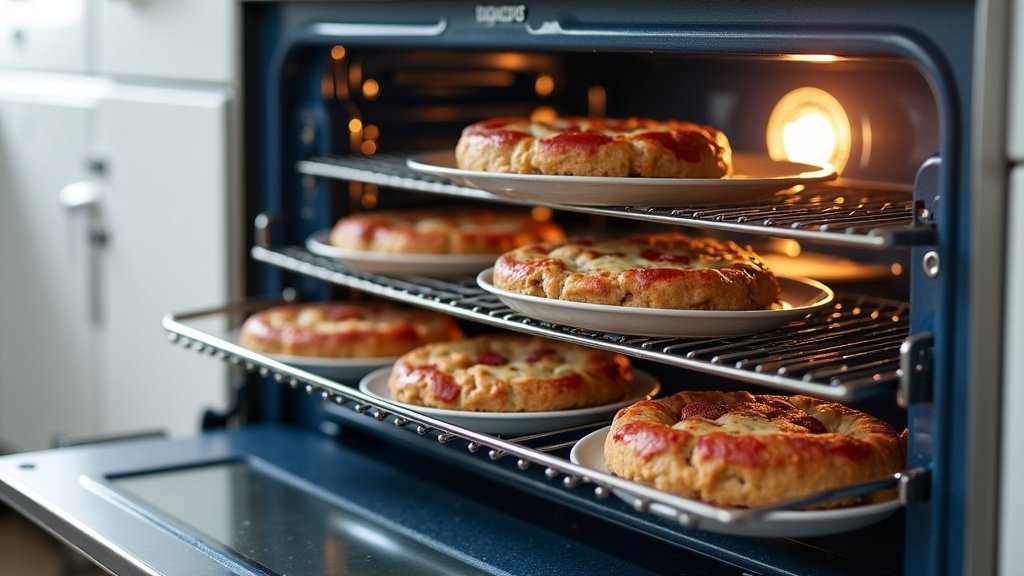
Installation and Electrical Considerations
Both single and double wall ovens require dedicated electrical circuits. This is for safety and to ensure the oven receives enough power to function correctly.
Powering Your Single Oven
A typical single wall oven requires a standard 240-volt electrical connection. Your electrician will wire this directly from your home’s breaker panel. This is a common setup in most kitchens. A typical single wall oven requires a standard 240-volt electrical connection.
The Electrical Demands of a Double Oven
A double wall oven, with two heating elements working independently or simultaneously, can draw more power. While still typically using a 240-volt connection, the amperage required might be higher. It’s essential that your home’s electrical panel can handle the load.
If you’re upgrading from a single oven to a double oven, you might need an electrical panel upgrade or a dedicated new circuit installed. This is something your qualified electrician will assess. We found that many homeowners overlook this, leading to unexpected installation costs.
Features to Compare: Beyond Just Capacity
While capacity is the main differentiator, modern ovens come with a plethora of features. These can be found on both single and double models, though higher-end double ovens might offer more advanced options.
Convection Cooking
Many ovens, both single and double, now offer convection. This feature uses a fan to circulate hot air within the oven cavity. It leads to more even cooking, browning, and faster baking times. Many sources suggest convection cooking can reduce baking times by up to 25% (USDA). If you bake often, this is a feature worth looking for.
Smart Technology and Controls
You’ll also find ovens with smart technology. This can include Wi-Fi connectivity, allowing you to preheat, set timers, or adjust cooking modes using your smartphone. Some ovens have touch-screen displays, glide racks for easy access, and even built-in probes for monitoring meat temperatures.
When comparing models, think about which features genuinely align with your cooking style. Do you need a warming drawer? A steam-bake function? Or are you happy with the basics?
Making the Final Decision: A Checklist for You
To help you solidify your choice, run through this quick checklist. It covers the most important points we’ve discussed:
- Consider your household size: How many people do you typically cook for?
- Evaluate your cooking habits: Do you bake a lot? Entertain often? Cook complex meals?
- Assess your kitchen space: Do you have the vertical space for a double oven?
- Set your budget: Remember to factor in potential installation costs, especially for electrical work.
- Prioritize features: What cooking functions are must-haves for you (e.g., convection, self-clean)?
- Think about future needs: Might your household or cooking habits change in the next 5-10 years?
Conclusion
You’ve explored the key distinctions between single and double wall ovens. Your choice hinges on your unique cooking habits and kitchen dimensions. A single oven is a reliable workhorse for everyday tasks and smaller households. A double oven offers unparalleled flexibility for entertaining and complex meal preparation. Consider your needs carefully before making your final decision. We encourage you to measure your cabinet space and consult with an electrician if you’re considering an upgrade. This preparation will ensure you select the oven that best serves your culinary adventures for years to come.
Frequently Asked Questions
Can I install a double wall oven in a space that currently has a single oven?
It depends on your cabinet space. A double oven requires significantly more vertical height than a single oven. You’ll need to confirm that your existing cabinet cutout can accommodate the larger dimensions of a double unit, or be prepared for cabinet modifications. Consulting with a kitchen designer or contractor is a good idea.
Are double wall ovens more energy-efficient than two single ovens?
Generally, a double wall oven uses similar energy to a single oven when only one cavity is in use. However, if you frequently use both cavities simultaneously for different tasks, it can be more energy-efficient than running two separate single ovens. This is because they share a single power source and heating system.
Do double ovens heat up slower than single ovens?
Both cavities in a double oven will heat up individually, much like a single oven. While the total preheating time might seem longer if you’re heating both simultaneously, each individual cavity heats up at a comparable rate to a standard single oven. Modern ovens are designed for efficient preheating.
What is the typical lifespan of a wall oven, regardless of single or double?
Most wall ovens, whether single or double, are built to last between 10 to 20 years with proper care and maintenance. Regular cleaning and avoiding overuse of self-cleaning functions can help extend their operational life. Like any appliance, consistent use and the quality of the components will influence longevity.
Are smart features more common on double wall ovens?
Smart features like Wi-Fi connectivity, app control, and advanced cooking presets are available on both single and double wall ovens. However, higher-end double oven models often come with a more extensive suite of smart technology. It’s best to compare specific models based on the features you desire, rather than assuming all double ovens are smarter.
