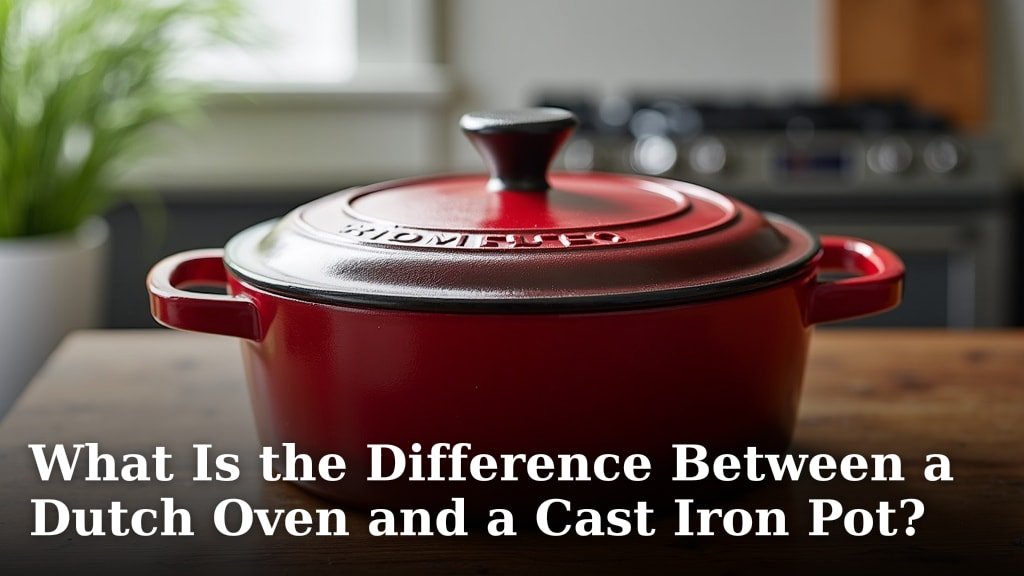
French Oven vs Dutch Oven: What Is the Difference? (November 2026)
A French oven is usually an enameled Dutch oven, so the names often describe the same kind of pot. The main difference is how brands use the term and the details of a specific pot's shape, enamel and lid.
On this page (7 sections)
- French oven vs Dutch oven: what is the difference?
- Does enamel make a French oven different?
- What does Staub mean by French oven?
- Do French ovens and Dutch ovens cook differently?
- Are French door ovens related to French ovens?
- Which should you choose: French oven or Dutch oven?
- French oven vs Dutch oven: final choice
A French oven is usually an enameled Dutch oven, so the names often describe the same kind of pot. The phrase French oven vs Dutch oven points to naming and finish more than a fixed difference in how the cookware works.
The name can be confusing because it also appears on countertop ovens with two side-opening doors. Those appliances are unrelated to enameled cast iron pots.
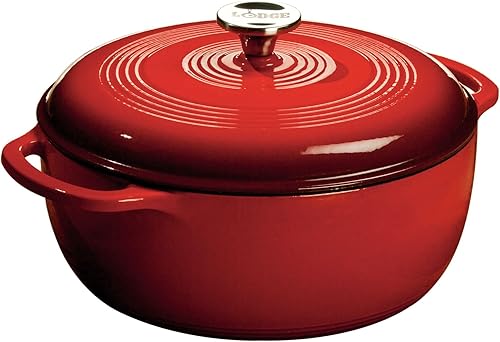 Best for everyday braising
Lodge Essential Enamel Cast Iron Dutch Oven
 Best for countertop cooking
Emeril Lagasse 26QT French Door Multi-Function Air
French oven vs Dutch oven: what is the difference?
A French oven is generally an enameled version of a Dutch oven. Dutch oven is the wider term for a heavy, lidded pot used for slow cooking, braising, simmering and baking.
French oven commonly signals enamel-coated cast iron. But naming varies by brand, so the label alone cannot tell you the pot's exact dimensions, lid, interior finish or cooktop compatibility.
That means a Staub French oven and a Dutch oven from another brand may fill the same cooking role. Compare their model details and care needs rather than assuming the names describe different cooking methods.
For the distinction between a Dutch oven and a plain cast iron pot, see what is the difference between a Dutch oven and a cast iron pot. A pot can be cast iron without having the shape, lid or enamel finish commonly associated with Dutch ovens.
Does enamel make a French oven different?
Enamel is the practical difference most often suggested by the French oven name. It covers the cast iron, which can help prevent rust and gives you a cooking surface that does not react with acidic ingredients.
A bare cast iron Dutch oven needs different care from an enameled one. Enamel means you don't season the cooking surface like bare cast iron, but you should still follow the maker's cleaning guidance and avoid damage from rough handling.
Lodge's Essential Enamel Cast Iron Dutch Oven is one example of the shared category: it is enameled cast iron, stovetop compatible and oven safe up to 500°F. The maker recommends hand washing with warm, soapy water and a nylon brush to help keep the finish in good shape.
The two Lodge options illustrate why a French oven vs Dutch oven comparison can lead to the same cookware type. Both are Dutch ovens with enamel finishes, even though a brand or retailer may use French oven wording for similar pots.
For a broader checklist of capacity, shape and construction, read what makes a good Dutch oven. A useful choice depends on the meals you make and the pot you can comfortably handle, not on one label.
What does Staub mean by French oven?
Staub uses French oven as a product name for some enameled cast iron cookware. That wording does not make it a separate cooking category from Dutch ovens.
When you compare a Staub French oven vs Dutch oven from another brand, look at the specific pot's capacity, dimensions, weight, interior finish and care instructions. If an oval shape suits your meals, compare oval Le Creuset Dutch ovens.
Those details can vary even when both pots are enameled cast iron.
Check whether the pot fits your stovetop and oven, and whether its handles and lid suit how you cook. If you plan to move it from stove to oven, confirm the temperature limit for that model.
A product's French oven label also does not tell you whether its interior enamel is light or dark, how the lid is designed or how the maker recommends cleaning it. Use the model's own details to answer those questions.
Do French ovens and Dutch ovens cook differently?
Two comparable enameled cast iron pots cook in much the same way, regardless of which name the brand uses. Their heavy bodies retain heat, while their lids help cover food during simmering or braising.
The shape can affect how you use a pot. A wider base offers more room to brown ingredients in batches, while a taller pot may suit soups or larger portions.
Compare dimensions and capacity for the exact models rather than relying on the French or Dutch label.
A lid's fit and design also matter to your recipes. For baking bread, check the oven limit and the instructions for preheating the pot; don't assume all enameled cookware can be heated in the same way.
If your real choice is between a Dutch oven and a roasting pan, the cooking shape matters more than the French oven label. Our Dutch oven vs roaster comparison explains when a covered pot or a broader roasting dish may suit the meal.
Are French door ovens related to French ovens?
French door ovens are countertop appliances whose doors open from the center; they are not French oven cookware. The shared word describes a door style, not an enameled pot.
The Emeril Lagasse 26QT French Door Multi-Function Air is an air fryer toaster oven with 24 cooking functions and a dual-speed fan. It is designed for countertop cooking, rather than stovetop braising in cast iron.
The Ninja French Door Premier Air Fry Oven is also a countertop appliance. It has 10 cooking functions and 450°F cyclonic air, while its French door design refers to its paired doors.
Don't treat either appliance as a Dutch oven or assume a pot will fit inside it. If you want to use cookware in a toaster oven, check the appliance's interior dimensions and the cookware maker's instructions; this guide to using a Dutch oven in a toaster oven covers the fit question.
Which should you choose: French oven or Dutch oven?
Choose by material, capacity, shape and care instructions, since the names often overlap. If you want enameled cast iron, a French oven may be a useful search term, but confirm that the exact model matches your needs.
Choose a bare cast iron Dutch oven if you want that surface and are comfortable with its care. Choose enamel-coated cast iron if you want a coated surface and simpler rust prevention, while following the maker's cleaning advice.
If you're new to this cookware, the best Dutch oven for beginners guide can help you narrow down capacity and features. Check the pot's weight too, because a full cast iron vessel can be hard to lift.
A beginner's choice should fit the meals you cook often. A medium pot can cover many everyday recipes, while a larger one takes more storage and counter space.
For a Staub French oven vs Dutch oven decision, compare the specific models side by side. The word French alone does not promise better heat control, a particular enamel quality or a different cooking result.
French oven vs Dutch oven: final choice
Pick either name if the pot's construction and features fit your cooking. Choose an enameled cast iron model when you want a coated interior, and compare capacity, shape, weight and care before deciding.
If the pot is labeled French oven, treat that as a clue to check its enamel and materials, not as proof that it is a distinct type of cookware. If the name refers to French doors, you're looking at an appliance instead of a pot.
Frequently asked questions
Is a French oven the same as a Dutch oven?
Often, yes. French oven is commonly used for an enameled Dutch oven, especially a cast iron pot with a coated interior and exterior.
The name alone doesn't set its shape, capacity or lid design, so compare those details when choosing cookware.
What is the difference between Staub French oven and Dutch oven?
Staub uses French oven as a name for some of its enameled cast iron cookware. Dutch oven is the broader cookware term.
To compare a Staub French oven with another Dutch oven, check the exact model's dimensions, capacity, finish and care guidance.
Does a French oven have a different enamel coating?
The term French oven does not guarantee a particular enamel formula or thickness. Enamel varies by brand and model.
Check whether the cooking surface is coated, what cleaning method the maker recommends and whether the pot is safe for your cooktop and oven.
Can you use a French oven on the stove?
Many enameled cast iron French ovens can be used on a stovetop, but confirm the exact cookware model and cooktop compatibility. For example, the Lodge Essential Enamel Dutch Oven is stovetop compatible and oven safe to 500°F; follow its care instructions.
Is a French door air fryer oven a French oven?
No. French door describes an appliance's pair of doors, while French oven usually names a type of enameled cooking pot.
The Emeril and Ninja French door ovens are countertop appliances, not Dutch oven cookware.