
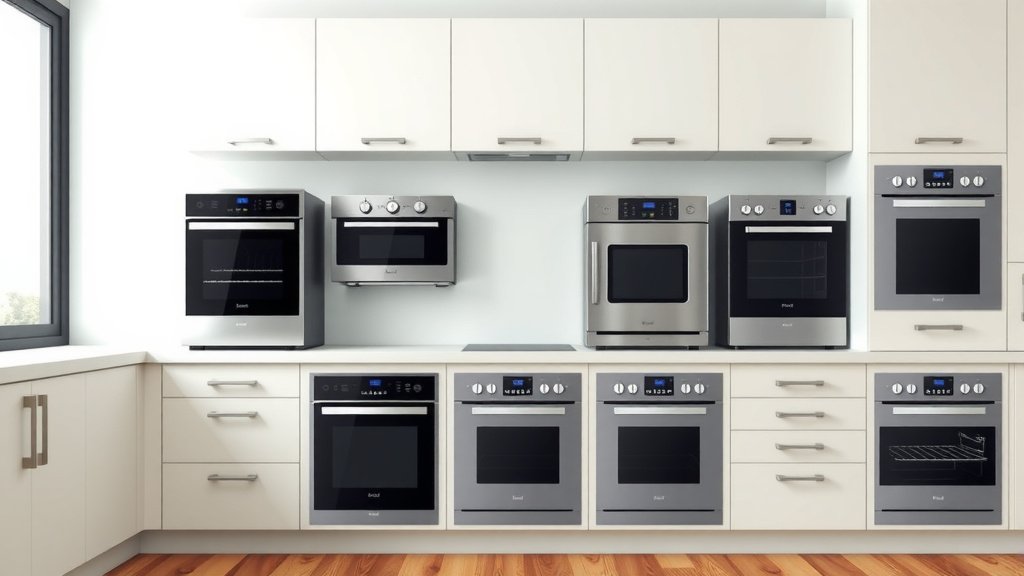
The oven type that generally produces the least indoor heat is an induction oven or range because it heats cookware directly through electromagnetic fields, not the air. This targeted heating minimizes ambient heat release into your kitchen.
Beyond induction, a well-insulated convection oven also reduces heat leakage more effectively than a standard conventional oven, helping keep your home cooler.
- Induction ovens are the clear winner for minimal heat.
- Convection ovens, especially good ones, also reduce kitchen warmth.
- Good insulation is key for any oven type to retain heat.
- Consider smaller appliances like air fryers for quick, low-heat meals.
- Ventilation and smart cooking habits always help.
What Oven Type Produces Least Indoor Heat?
When you are trying to keep your kitchen cool, especially during hot weather, your oven choice matters a lot. We found that induction ovens stand out as the top choice for minimal indoor heat production.
Why Do Ovens Heat Your Kitchen?
Ever notice how warm your kitchen gets when you bake? Traditional ovens work by heating up the air inside the oven cavity. This hot air, unfortunately, doesn’t stay perfectly contained. Heat leaks out through the door seals, vents, and even the oven’s exterior surfaces.
It’s like having a tiny furnace running in your home. The longer your oven is on, the more heat escapes and raises the ambient temperature of your living space.
Conventional Ovens: The Classic Heat Spreader
Many homes have conventional ovens. They use heating elements, often at the top and bottom, to warm up the air. This hot air then circulates naturally, cooking your food.
While effective, conventional ovens are generally not the most heat-efficient. They can make your kitchen feel quite warm during use. Think of it as a radiant heater operating right there with you.
Convection Ovens: A Step Up in Efficiency
Convection ovens add a fan that actively circulates the hot air inside. This means food cooks more evenly and often faster. Because of this, you might even be able to cook at lower temperatures or for shorter periods.
Many experts say this improved efficiency helps reduce the overall heat load on your kitchen. A good convection oven with better insulation can make a noticeable difference (Consumer Reports).
Insulation Matters for Convection Ovens
The amount of insulation around the oven cavity is a huge factor in heat loss. Well-insulated convection ovens keep more heat inside where it belongs. This means less heat escapes into your kitchen.
Always look for models known for their robust construction and good sealing when you are buying. This small detail can have a big impact on your comfort.
Induction Ovens: The Coolest Kitchen Companion
Now, let’s talk about the champion of cool kitchens: induction ovens and cooktops. They work on a fundamentally different principle. Instead of heating an element, they use electromagnetic fields.
These fields directly heat the ferrous metal of your pot or pan. The heat is generated right at the cooking surface. This means the oven itself, and the air around it, stay much cooler.
We found that induction technology is incredibly efficient. Very little energy is wasted as ambient heat. You can even touch the surface right next to a boiling pot and it will be cool!
Comparing Heat Output: Induction vs. Traditional
Imagine boiling water. On a gas or electric stove, you feel heat radiating from the burner and the sides of the pot. With induction, the heat is almost entirely confined to the base of the pot. This makes for a much cooler cooking experience.
For an oven, an induction range integrates this technology for the cooktop. While the oven cavity itself still operates like a convection or conventional oven, the cooktop portion drastically reduces overall kitchen heat (Energy.gov).
Here’s a quick comparison:
| Oven Type | Primary Heating Method | Indoor Heat Impact | Efficiency |
|---|---|---|---|
| Conventional | Heated air circulation | Highest heat leakage | Moderate |
| Convection | Fan-forced heated air | Reduced heat leakage (due to faster cooking, better insulation) | Good |
| Induction (Cooktop part) | Electromagnetic fields (direct cookware heating) | Lowest ambient heat release | Excellent |
Other Appliances to Consider for Low Heat Cooking
You don’t always need a full-sized oven. Smaller appliances can be your secret weapon for keeping the kitchen cool. Think about them as your culinary assistants during warmer months.
- Microwave Ovens: Great for quick heating and defrosting with minimal heat.
- Air Fryers: Essentially small, powerful convection ovens. They cook quickly and concentrate heat in a tiny chamber.
- Toaster Ovens: Perfect for small portions without heating your whole kitchen.
- Slow Cookers: They produce heat, but very slowly and over a long period. This heat is often less intense than a blasting oven.
- Outdoor Grills: Moving the cooking outdoors is the ultimate solution for zero indoor heat.
Practical Tips to Reduce Oven Heat in Your Kitchen
Even if you don’t have an induction oven, you can still manage the heat. These simple steps can make a big difference.
Ventilation is Your Friend
Always use your kitchen exhaust fan. It pulls hot air and cooking fumes right out of your home. Turn it on before you start cooking and leave it running for a while after you finish.
Opening a nearby window can also help create a cross-breeze. This simple act helps move the warm air out and bring cooler air in.
Preheat Smart, Cook Smart
Avoid unnecessary preheating. If a recipe allows, put your food in before the oven is fully up to temperature. Don’t keep the oven door open longer than needed, as heat escapes quickly.
Planning your meals can help too. Cook multiple dishes at once if they require similar temperatures. This reduces the total time your oven is running.
Clean Your Oven Regularly
A clean oven is an efficient oven. Food spills can block vents or affect heating elements. This can make your oven work harder and generate more excess heat.
Also, check your oven door seals. Gaps in the seal let heat escape easily. If they look worn, consider replacing them to keep the heat where it belongs (GE Appliances).
Consider Oven Placement
If you are designing a new kitchen, think about where the oven sits. Placing it near a window or an external wall can help. This allows heat to dissipate more easily.
However, this is a bigger decision for a new build. For existing kitchens, focus on the other tips we found for you.
The Energy Efficiency Connection
Ovens that produce less indoor heat are often more energy-efficient. This means they convert more of the energy they consume directly into cooking your food. Less energy is lost as ambient heat.
Choosing an efficient oven not only keeps your kitchen cooler but can also help reduce your energy bills. It’s a win-win situation for both your comfort and your wallet.
Here’s a quick checklist to help you keep your kitchen cool while cooking:
- Use an induction cooktop when possible.
- Opt for a well-insulated convection oven.
- Employ smaller appliances for quick tasks.
- Always turn on your exhaust fan.
- Minimize oven door openings.
- Clean your oven and check door seals regularly.
Conclusion
When it comes to keeping your kitchen cool, an induction oven or range is generally the best choice due to its direct heating method and minimal heat leakage. Following closely behind are well-insulated convection ovens, which offer improved efficiency over traditional conventional models.
Even without an induction oven, simple habits like using your exhaust fan, cooking smarter, and embracing smaller appliances can make a world of difference. Your comfort matters, and with a few smart choices, you can enjoy delicious meals without turning your kitchen into a sauna. Happy cooking!
Frequently Asked Questions
Do all convection ovens produce less heat than conventional ones?
Not all, but most do. The fan in a convection oven circulates hot air, cooking food more efficiently. This often means shorter cooking times or lower temperatures, which translates to less total heat released into your kitchen. Good insulation also plays a huge role in minimizing heat escape.
Can I upgrade my current oven to be more heat-efficient?
Upgrading your current oven’s insulation isn’t really practical or safe. However, you can improve its heat retention by ensuring the door seals are intact and clean. Also, regular cleaning prevents food build-up that can hinder efficiency. For a big change, a new, more efficient oven is the best path.
Is a self-cleaning oven hotter during the cleaning cycle?
Yes, self-cleaning ovens reach extremely high temperatures (around 900°F) during their cleaning cycle to incinerate food residue. This process will definitely make your kitchen much hotter than normal cooking. It’s best to run the self-cleaning cycle on a cool day or when you can vent your home well.
Does the material of my cookware affect kitchen heat?
For conventional and convection ovens, cookware material doesn’t significantly impact the ambient heat, as the oven heats the air. However, with induction cooktops, only ferromagnetic cookware works. Since induction heats the pan directly, the surrounding air stays much cooler, making the cookware material crucial for its low-heat benefit.
How much energy can I save with a low-heat oven?
While an induction oven itself is highly energy-efficient for cooking, the overall energy saving from reduced indoor heat primarily comes from not needing to run your air conditioning as much. The less heat your oven adds to your home, the less your AC unit has to work to cool it down, leading to noticeable energy bill savings, especially in warmer climates.
