
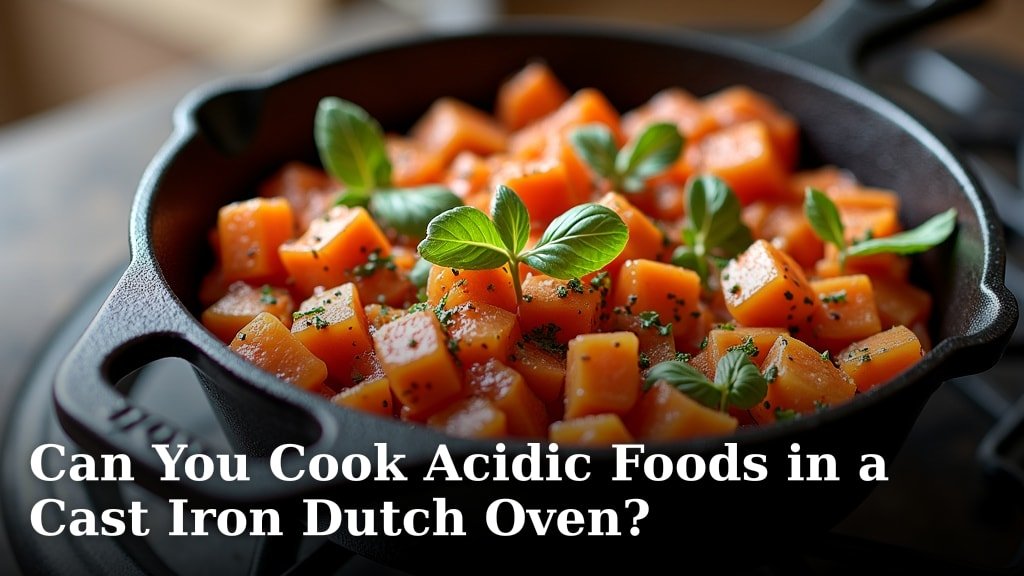
Yes, you can cook acidic foods in a cast iron Dutch oven, but with some important caveats. It’s generally safe if your Dutch oven is well-seasoned or has an enamel coating. Otherwise, acidic ingredients can react with the bare iron, affecting your food and the cookware itself.
Cooking foods like tomato sauce, chili, or wine-braised dishes can strip away your seasoning. This leaves your food with an unpleasant metallic taste. It can also leach iron into your food, which isn’t always bad, but too much can be an issue. We found that proper care and preparation are key for success.
- Use a well-seasoned or enameled Dutch oven.
- Avoid prolonged cooking of highly acidic foods in bare cast iron.
- Understand how acids affect your cookware and food.
- Seasoning protects the iron and your meal.
So, what does “well-seasoned” really mean for acidic cooking? Let’s walk through exactly how to safely cook acidic foods in your beloved cast iron Dutch oven.
Understanding Acidic Foods and Cast Iron
You’ve got your beautiful cast iron Dutch oven, ready for some culinary magic. But then you pause. That delicious tomato sauce or wine-braised short rib recipe calls for acidic ingredients. Can your beloved cast iron handle it? The short answer, as we found, is “it depends.” It largely hinges on the condition of your Dutch oven and the specific ingredients you’re using. Let’s break down why this matters so much for both your food and your cookware.
What Makes a Food Acidic?
When we talk about “acidic foods,” we’re referring to ingredients that have a low pH level. Think of the pH scale from 0 to 14, where 7 is neutral. Anything below 7 is acidic, and anything above is alkaline. Foods commonly thought of as acidic usually fall between pH 2 and 4. These include items like tomatoes, citrus fruits, vinegars, wine, and certain dairy products like buttermilk.
For example, a ripe tomato typically has a pH of around 4.3 to 4.9. Lemon juice, on the other hand, is much more acidic, often around pH 2.0 to 2.6. The lower the number, the stronger the acid. This strength plays a big role in how these foods interact with your cast iron surface. We’ve seen many people underestimate the impact of these common ingredients.
How Acids React with Bare Cast Iron
Here’s where chemistry comes into play. Bare cast iron is made primarily of iron and carbon. When acidic foods come into contact with untreated, bare iron, a chemical reaction occurs. The acid begins to corrode the iron metal. This process releases tiny iron particles into your food.
This reaction can lead to a few issues. First, your food might develop a distinct metallic taste. It’s often described as a tinny or sharp flavor that can overpower your dish. Second, this corrosion also strips away your carefully built-up seasoning. The seasoning is a protective layer of polymerized oil that prevents sticking and rust. Losing it means your pan is more prone to both sticking and rusting in the future.
The Role of Seasoning in Acidic Cooking
Your cast iron Dutch oven’s seasoning is like its superhero cape. It’s the key defense against acidic foods. We found that a well-maintained seasoning layer acts as a barrier between the acidic food and the reactive iron surface. But what exactly is seasoning, and how does it protect your pan?
What is Cast Iron Seasoning?
Seasoning isn’t just a layer of oil; it’s a layer of polymerized oil. When you heat oil on cast iron, it breaks down and forms a hard, non-stick, and rust-resistant coating. This coating chemically bonds to the iron. With each use and proper re-seasoning, this layer builds up, becoming thicker and more robust. Think of it as a thin, natural enamel.
A good seasoning isn’t just about preventing sticking. It’s also about preventing the direct contact of food with the iron. This is especially important for acidic ingredients. A strong seasoning layer can withstand some acidic attack, slowing down or even preventing the leaching of iron and the metallic taste. We’ve found that many home cooks under-season their pans, leading to problems.
How to Tell if Your Seasoning is Strong Enough
So, how do you know if your Dutch oven’s seasoning is up to the task? There are a few indicators. A well-seasoned pan will have a smooth, dark, and slightly glossy appearance. It shouldn’t look dry, dull, or patchy. Water should bead up on the surface, and fried eggs should slide right off with minimal effort.
If your pan looks uneven, has rust spots, or food sticks regularly, your seasoning probably isn’t strong enough for acidic foods. Don’t worry, it’s not the end of the world! It just means you’ll need to spend some time building up that protective layer before tackling that big pot of chili. We’ve seen this mistake made countless times.
Here’s a quick checklist to assess your seasoning:
- Is the surface uniformly dark and even-toned?
- Does it have a subtle sheen, not dullness?
- Does water bead on the surface without soaking in?
- Does food release easily when cooking non-acidic dishes?
- Are there any signs of rust or rough patches?
Enameled Cast Iron: The Acid-Friendly Alternative
If you’re worried about your bare cast iron, there’s another fantastic option: enameled cast iron Dutch ovens. These pans offer the same great heat retention and even cooking as traditional cast iron but come with a built-in solution for acidic foods.
What is Enameled Cast Iron?
Enameled cast iron is essentially a cast iron core that has been coated with a layer of glass-like enamel. This enamel is fused to the iron at very high temperatures, creating a durable, non-porous, and non-reactive surface. This coating is usually smooth and often comes in a variety of beautiful colors. Popular brands like Le Creuset and Staub are famous for their enameled Dutch ovens.
The key benefit here is that the enamel provides a complete barrier. It prevents any contact between your food and the underlying iron. This means you can cook highly acidic foods, like tomato sauces, wine reductions, or lemon-infused dishes, for extended periods without worrying about metallic tastes or stripping your seasoning. It truly is a game-changer for acidic cooking.
Benefits and Considerations of Enameled vs. Bare Cast Iron
While enameled cast iron offers freedom with acidic foods, it also has its own set of characteristics. Let’s look at a quick comparison:
| Feature | Bare Cast Iron | Enameled Cast Iron |
|---|---|---|
| Acidic Foods | Use with caution; can strip seasoning and impart metallic taste if not well-seasoned. | Excellent; non-reactive surface prevents metallic taste and seasoning loss. |
| Maintenance | Requires regular seasoning, prone to rust if not cared for. | Easier to clean, no seasoning required, but enamel can chip. |
| Non-Stick | Excellent when well-seasoned; improves over time. | Good, but can degrade with high heat or abrasive scrubbing. |
| Durability | Extremely durable, nearly indestructible if not cracked; can be re-seasoned indefinitely. | Durable, but enamel can chip or crack if dropped or exposed to sudden temperature changes. |
| Cost | Generally more affordable upfront. | Often more expensive, reflecting the specialized coating process. |
As you can see, each type has its advantages. If your recipe calls for prolonged simmering of acidic ingredients, an enameled Dutch oven is often the safer, more convenient choice. It removes a lot of the guesswork and worry. However, if you love the tradition and process of bare cast iron, a strong seasoning will be your best friend.
Tips for Cooking Acidic Foods in Bare Cast Iron
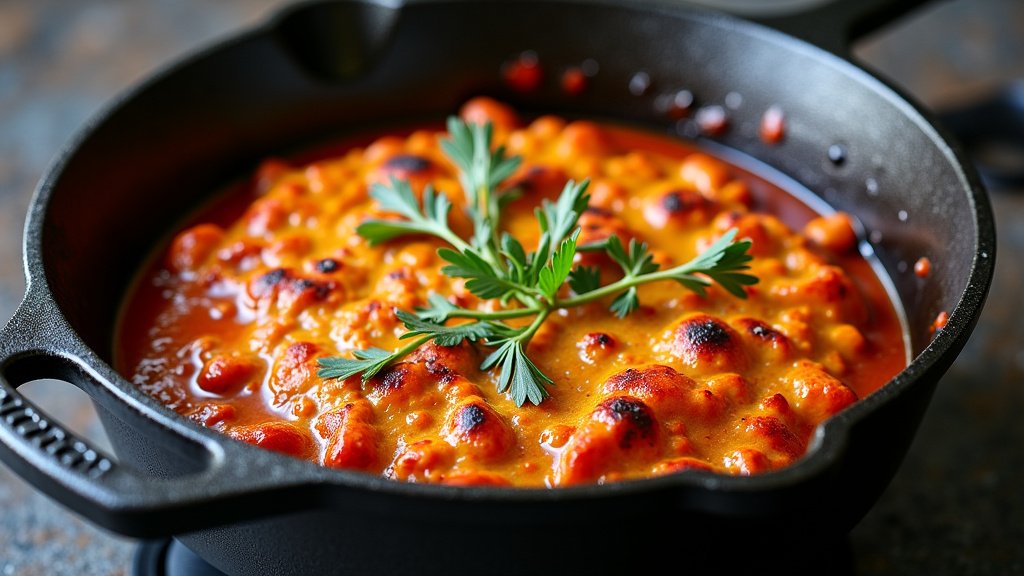
So, you’ve decided to use your bare cast iron Dutch oven for that delicious tomato-based stew. Fantastic! You absolutely can, with a few mindful adjustments. We found that success here comes down to preparation and careful monitoring. Don’t just throw everything in and walk away.
Pre-Seasoning and Maintenance is Key
Before you even think about adding acidic ingredients, ensure your Dutch oven is impeccably seasoned. If you have any doubts, consider doing an extra round or two of seasoning before cooking. Use a high smoke point oil like grapeseed, flaxseed, or canola. Apply a very thin layer, wipe off the excess, and bake upside down in the oven. Repeat this process a few times to build a robust layer.
After cooking, clean your Dutch oven promptly. Avoid harsh soaps if possible; hot water and a stiff brush are usually sufficient. Dry it thoroughly immediately to prevent rust, then apply a very thin layer of oil before storing. This consistent care keeps your seasoning strong and ready for its next challenge. For more detailed guidance on maintaining your cookware, our guide on cleaning your Dutch oven with soap can help.
Minimize Contact Time with Acidic Ingredients
This is perhaps the most crucial tip. When cooking acidic foods in bare cast iron, aim for shorter cooking times. If your recipe calls for an all-day simmer of tomato sauce, consider transferring it to an enameled pot or a different non-reactive material once the initial browning is done. For dishes that only have a splash of wine or a squeeze of lemon at the end, your well-seasoned pan should handle it just fine.
For example, if you’re making a chili, you might brown your meat and sauté your aromatics in the cast iron, then add the tomatoes and other acidic ingredients and simmer for a shorter period. Or, if it’s a long simmer, transfer it to another pot after everything is combined. This strategic approach helps you get the best of both worlds – the great heat distribution of cast iron without the risk of metallic flavors.
Taste as You Go and Watch for Signs
Always trust your senses. As you cook, periodically taste your food. If you detect even a hint of a metallic flavor, it’s a clear sign that the acid is reacting with your iron. At this point, it’s best to transfer your dish to a different, non-reactive pot or pan to finish cooking. It’s a small inconvenience that can save your entire meal.
Also, keep an eye on your Dutch oven’s interior. If you notice dull spots or areas where the seasoning appears to be stripped away, it’s time to intervene. This means your seasoning wasn’t strong enough to resist the acid. Don’t worry, you can always re-season your pan after cleaning. If you’re noticing rust spots, understanding why your Dutch oven is rusting can help you prevent future damage.
Conclusion
Cooking acidic foods in your cast iron Dutch oven doesn’t have to be intimidating. By understanding the interaction between acids and bare iron, and recognizing the power of a strong seasoning, you can confidently use your beloved cookware. Remember, your seasoning is your shield, and an enameled Dutch oven offers a worry-free alternative for longer simmers.
Always prioritize your pan’s condition and listen to your food. With these insights, you’re ready to tackle any recipe. Go ahead and enjoy creating delicious, acid-friendly meals in your versatile cast iron!
Frequently Asked Questions
Can I cook with wine in my bare cast iron Dutch oven?
Yes, you can cook with wine in a well-seasoned bare cast iron Dutch oven, especially for dishes where wine is added briefly for deglazing or a quick reduction. For recipes involving long simmers with a high volume of wine, consider using an enameled cast iron alternative to protect your seasoning and prevent metallic flavors.
Will cooking tomato sauce in cast iron ruin my pan?
No, cooking tomato sauce in cast iron won’t necessarily “ruin” your pan, but it can strip away your seasoning if not well-maintained. If your pan is impeccably seasoned, a shorter cook time is usually fine. For longer simmers, an enameled Dutch oven is the safer choice to prevent seasoning loss and metallic tastes.
How can I fix a metallic taste in food cooked in cast iron?
If you taste a metallic flavor, it means acid reacted with bare iron. Unfortunately, you can’t remove the metallic taste from the food itself once it’s there. For future cooking, ensure your pan is very well-seasoned or use an enameled cast iron Dutch oven for acidic recipes.
Is it bad to get extra iron in my food from cast iron?
While cast iron can leach small amounts of dietary iron into your food, which can be beneficial for some, excessive amounts or a strong metallic taste indicate a problem. This usually means your seasoning is compromised. It’s best to re-season your pan or use alternative cookware for acidic dishes if this happens.
What if my cast iron pan gets dull after cooking acidic foods?
If your pan looks dull or patchy after cooking acidic foods, it means the acid has stripped some of your seasoning. Don’t worry; it’s a sign to clean it thoroughly, dry it completely, and then re-season your Dutch oven. A few rounds of re-seasoning will restore its protective layer.
